How ABS brakes work: Why your car shudders when you slam on the brakes
By Dan Kauna, June 29, 2026If you drive a car built after the year 2000 in Kenya, it almost certainly features an Anti-lock Braking System, popularly known as ABS.
Yet, many local motorists experience a moment of panic when they stamp on the brakes during an emergency. The pedal vibrates aggressively underfoot, and the entire vehicle shudders.
For many, the immediate reaction is to let go of the pedal, thinking the brakes have failed. Doing this on a busy highway can lead to disaster. Whether your car is a small hatchback or an off-roader, understanding this shaking can save your life.
How the safety system works
When you slam on the brakes on a slippery or loose surface, your tyres can completely stop turning. Once the tyres lock up and begin to skid, you lose all ability to steer the vehicle. It doesn’t matter how hard you turn the steering wheel; the car will simply slide forward in a straight line.
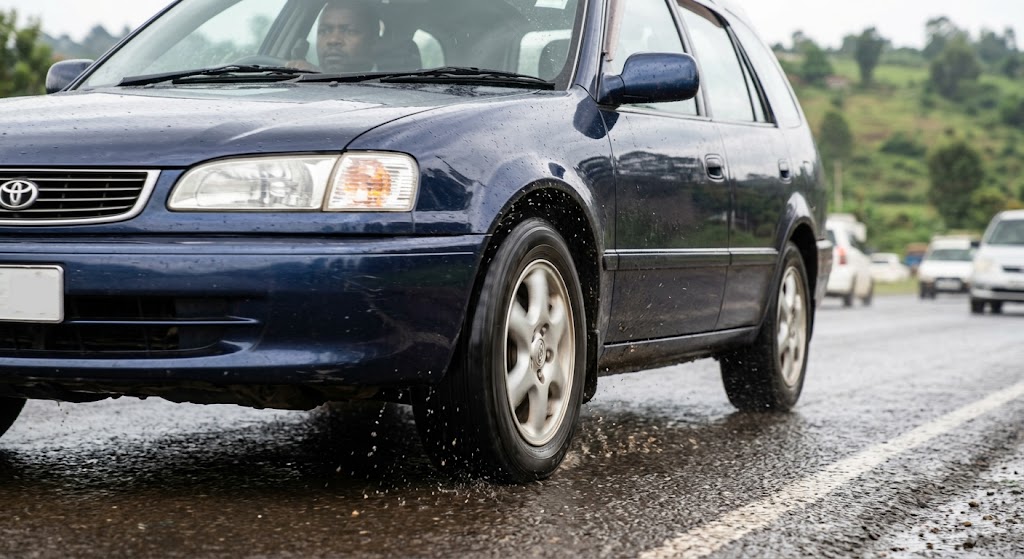
The ABS prevents this by monitoring how fast your wheels are spinning. If computer sensors detect that a wheel is about to lock up, the system automatically pumps the brakes hundreds of times per second.
This rapid action keeps the wheels rotating, ensuring you maintain steering control. This mechanism keeps you safe.
According to a research brief by Monash University, “vehicles equipped with ABS systems are 35% less likely to be a part of a collision or accident” than those without them.
By avoiding a total slide, you can steer around an oncoming hazard while decelerating.
Why the pedal shakes
The violent thumping or shuddering you feel in an emergency stop is actually proof that the system is working perfectly. When the system activates, hydraulic valves rapidly open and close to control fluid pressure. This mechanical pumping pushes back against your foot, which creates that rapid vibration.

Unfortunately, this feedback often causes drivers to panic. A 2021 study published in the Safety journal highlights that “when ABS was activated, the vibration (thumping) feedback from the pedal was not understood by some drivers.”
This misunderstanding causes many motorists to lift their foot off the brake, which completely disables the safety feature and increases the stopping distance.
When an emergency happens, the rule is simple: press the pedal down hard, keep it there, and steer. Do not pump the brakes yourself, and do not let the vibration scare you. Trust the system to do its job while you focus on navigating the vehicle to safety.