Advertisement
Building a digital emergency kit before the next disruption hits
21st May, 2026 12:58 PM

When transport strikes and fuel spikes ripple through Nairobi, most people feel the pressure in their pockets and on the roads.
Fewer think to check whether they are digitally prepared. A handful of pre-loaded tools, set up on a quiet afternoon, can make the difference between a stressful week and a manageable one.
Stay connected when networks get stretched
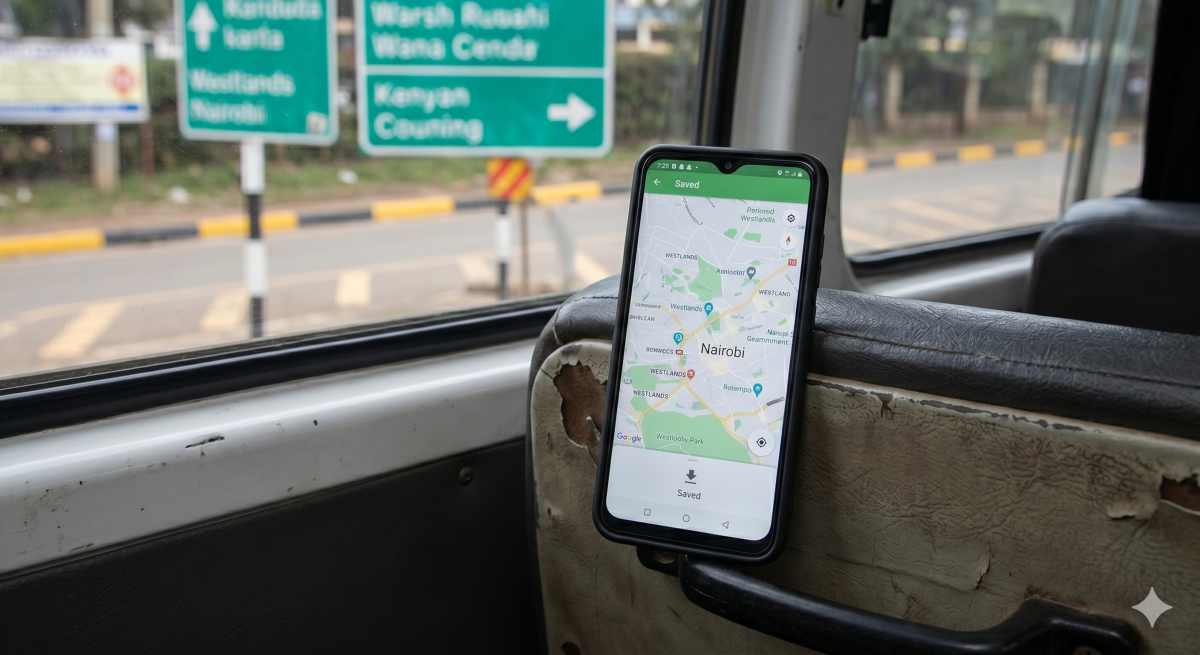
Start with offline maps. Maps apps allow you to save entire regions to your device for use without data.
Next, get a backup internet source. A second SIM from a different carrier is the simplest option: if one drops, a second provider’s SIM keeps you online.
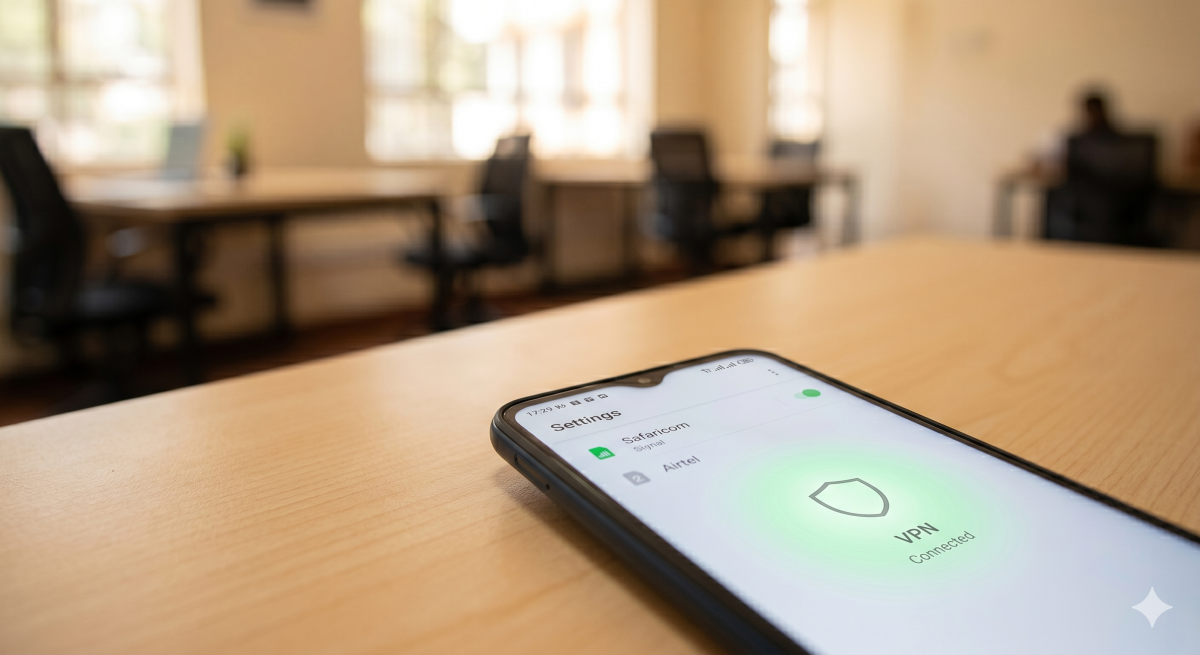
For remote workers, especially, pair that with a VPN. A reliable option encrypts your connection and maintains secure access to work systems even on a mobile hotspot you have never used before.
Finally, save your most critical emergency contacts to your phone’s internal memory rather than the cloud. Your bank’s fraud line, your employer’s HR contact, your landlord, a trusted neighbour.
These should be accessible without an internet connection.
Keep your money records within reach
This is where most people have a quiet gap in their preparedness.
Research published in the Journal of Economic Insights and Research in 2025, tracking 28 Sub-Saharan African countries from 2010 to 2023, found that “mobile money users experience 18% lower consumption volatility following adverse shocks than non-users with similar observable characteristics.”
The upside of mobile money only shows up, though, if you are actively using it and can account for where your money is.
Start an M-PESA transaction log. The M-PESA app lets you generate and screenshot your statement. Do this at the end of every month and save it to your phone’s local storage, not just the cloud. A printed copy is even better.
When a disruption hits and you need to make fast financial decisions, knowing exactly what came in and went out removes one layer of stress immediately.
This is supported by earlier work by economists Jack and Suri, who found that Kenyan households with mobile money access “did not experience a significant drop” in consumption after a negative economic event, while those without it suffered a seven per cent fall.
None of this setup takes more than an afternoon. Do it this weekend before the next disruption gives you a reason to wish you had.