Apple declares iPhone X obsolete: Here are your repair and upgrade options in Kenya
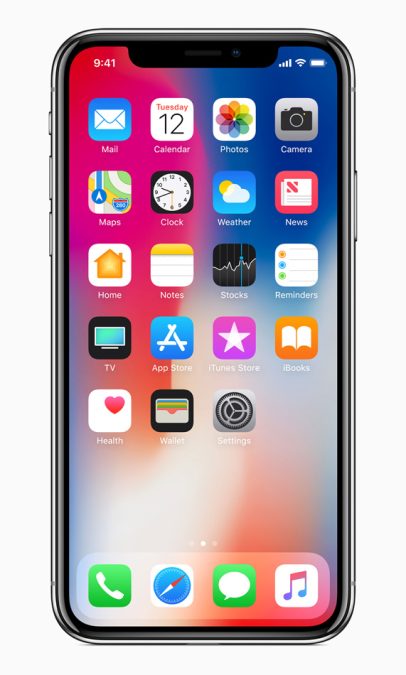
By Katemarthason Okudo, August 16, 2026Apple’s decision to classify the iPhone X as an obsolete product has sparked fresh discussions among smartphone users, particularly those who have continued to rely on the device years after its release.
The announcement made on August 13, 2026, which also affected the 15-inch 2018 MacBook Pro, marked the end of official hardware repair support for two devices that once represented some of the company’s biggest technological breakthroughs.
Although the decision does not affect the day-to-day operation of either device, it raises an important question for users in Kenya: how long can an obsolete device remain practical?
For many people, replacing a smartphone is not always an immediate priority. As long as a device can make calls, send messages, browse the internet and access social media applications, there may seem to be little reason to upgrade.
Software limitations are becoming harder to ignore
The iPhone X has already reached the end of its major software support cycle. Because it cannot officially upgrade beyond iOS 16, users will no longer receive the newest features introduced in later versions of Apple’s operating system.
This may not seem significant at first, but software updates do much more than introduce new tools and redesign menus. They also improve device security, fix software vulnerabilities, and ensure compatibility with modern applications.
Over time, some applications may require newer operating systems to function properly, leaving users with fewer options. Banking applications, communication platforms and productivity tools are among the services that frequently update their software requirements.
Repair costs could become more unpredictable
According to Apple’s latest support update, authorised repair centres will no longer provide official hardware repairs for the iPhone X. In Kenya, this is likely to increase dependence on independent repair shops.
While many local technicians offer quality services, obtaining genuine replacement components could become increasingly difficult. Parts such as batteries, screens and charging components may become more expensive as supplies decline.
Users may also encounter aftermarket replacement parts that vary in quality. Choosing a low-cost repair could create additional problems, including reduced battery performance, display issues and shorter device lifespans.
Security concerns should not be overlooked
One of the biggest risks associated with older devices is reduced security support. Cybersecurity threats continue to evolve, and technology companies regularly release updates to address newly discovered vulnerabilities.
Although some security patches may continue for a limited period, devices that no longer receive major updates eventually become more vulnerable. For users who rely on their smartphones for digital payments, mobile banking, and storing personal information, security should remain a priority.
Is it finally time to upgrade?
The answer depends on how the device is being used. For users whose iPhone X continues to perform basic tasks without difficulty, there may be no urgent need to replace it.
However, anyone already experiencing battery problems, storage limitations, or performance issues may find that investing in a newer device provides better long-term value.
Purchasing a refurbished smartphone could also offer a more affordable solution for users who are not ready to buy the latest model.
The iPhone X changed the smartphone industry by introducing features that have since become standard across modern devices. Nearly a decade after its launch, it remains a reminder that even groundbreaking technology eventually reaches the end of its support cycle.