Suluhu takes 90-day leave to mourn late husband: 5 things to know about Islamic mourning period for widows
By William Muthama, September 10, 2026Tanzanian President Samia Suluhu Hassan has stepped back from official duties for 90 days following the death of her husband, Hafidh Ameir Hassan, Tanzania’s first First Gentleman.
Hafidh died on September 7, 2026, at Emilio Mzena Memorial Hospital in Zanzibar after receiving treatment for a heart condition.
Following his burial, Samia began a 90-day official leave to mourn her husband. The period also allows her to observe the Islamic mourning period known as iddah, which applies to Muslim widows.
Here are five things to know about the Islamic mourning period for widows.
1. It lasts 4 months and 10 Days
For a widow who is not pregnant, Islamic law prescribes an iddah period of four lunar months and 10 days, beginning from the day of her husband’s death.
This means President Samia’s religious mourning period will extend beyond her 90-day official leave.
If a widow is pregnant, her iddah continues until she gives birth.
2. It is a mourning and waiting period
Iddah serves several purposes in Islamic tradition.
It provides a structured period of mourning following the death of a husband and also establishes that the widow is not pregnant, helping protect lineage.

During this period, a widow cannot remarry or accept a marriage proposal.
The period is distinct from the three-day mourning period generally observed by other relatives following a death.
3. Adornment is restricted
During iddah, a widow is generally expected to avoid perfume, jewellery, makeup, henna and clothing associated with celebration or attracting attention.

However, Islam does not require widows to wear black. Modest clothing and normal hygiene are permitted.
4. She generally remains at home
A widow is generally expected to remain in the home she shared with her husband, leaving when there is a genuine need such as medical care, work or obtaining necessities.
For a sitting president, essential official responsibilities may qualify as a legitimate need, depending on the interpretation followed.
5. It applies regardless of status
Iddah applies to Muslim widows regardless of their social or political position, including a sitting president.
It does not require Samia to resign. Her 90-day leave is a government arrangement, while iddah is a separate religious obligation that continues for the prescribed period.
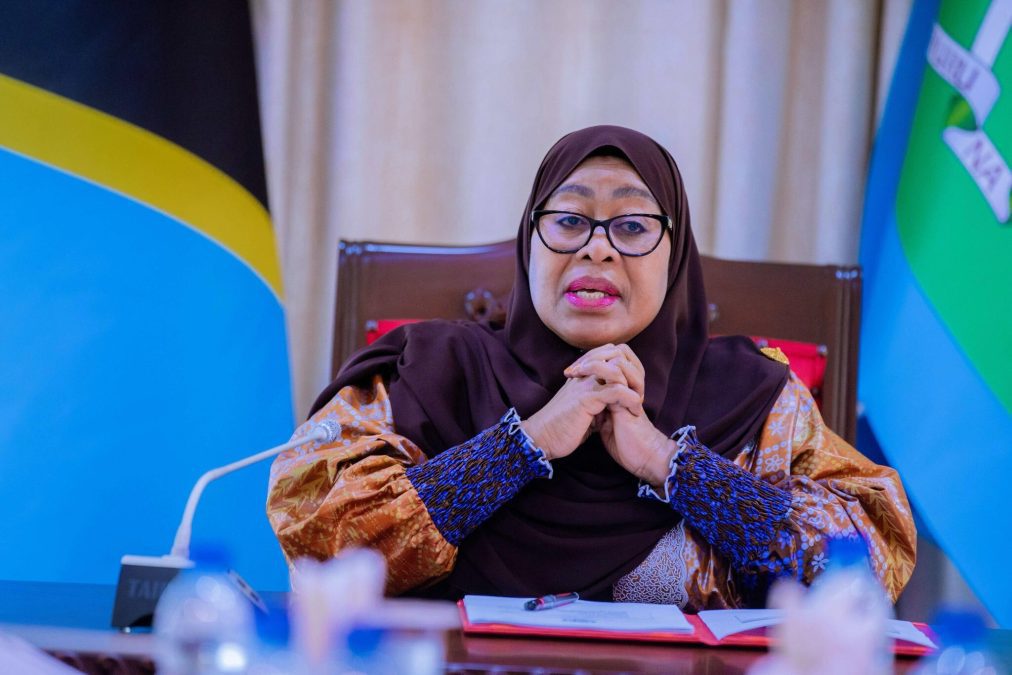
Samia is therefore balancing her personal grief, religious obligations and responsibilities as Tanzania’s president.