Small garden ideas for families to start after schools reopen
By David Nthua, April 27, 2026Schools reopening gives many Kenyan households an unusual opportunity to restart small-scale garden projects, which were difficult to maintain during holiday times.
With children at home, especially those in high school boarding, parents tend to dedicate more attention to feeding, laundry, noise management, visitors and running errands. Such activities make gardening challenging.
A home garden can help to increase vegetable access and improve nutrition within families, while a kitchen garden has been recommended in Kenya as an accessible method for families to eat a balanced diet all year round.
1. Sack garden
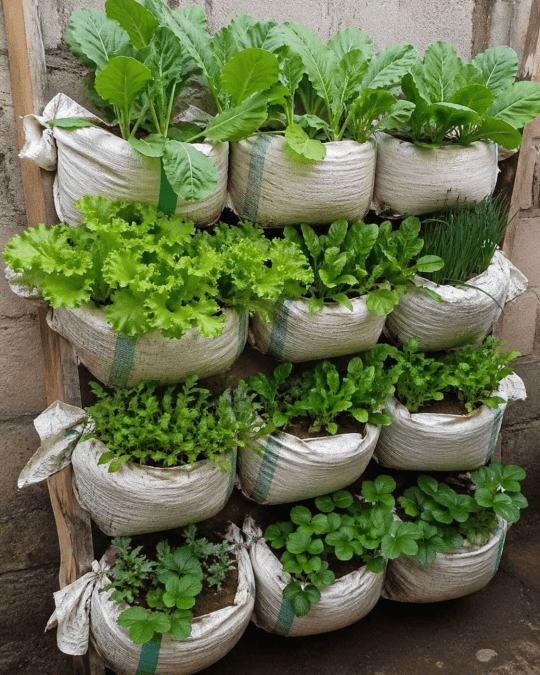
A sack garden is among the best projects for small Kenyan families due to its ease of implementation.
It involves filling a big sack with soil and planting veggies on top and along the sides.
Suitable vegetables include sukuma wiki, spinach, amaranth and herbs. The idea is particularly relevant for estates, rented housing and small compounds since no big land is required.
Vertical gardening is common in Kenya due to limited spaces and high crop yield, as crops grow upwards instead of taking space on the ground.
It may be difficult to maintain such a garden during holiday time since sacks may be knocked over, overwatered and overlooked.
However, once schools reopen, parents will find it easier to look after their children.
2. Balcony herb garden
Herbs, including coriander, mint, rosemary, spring onions and basil, grow well in a small balcony.
These plants require little space but add a lot to family meals.
Vertical gardens are common in small Kenyan living places such as balconies, patios, fences and kitchens with enough light and protected from strong winds.
When boarding school children are present at home, balconies are used for laundry, storage and other activities. Once kids leave, this place becomes available again.
3. Fast-growing vegetables
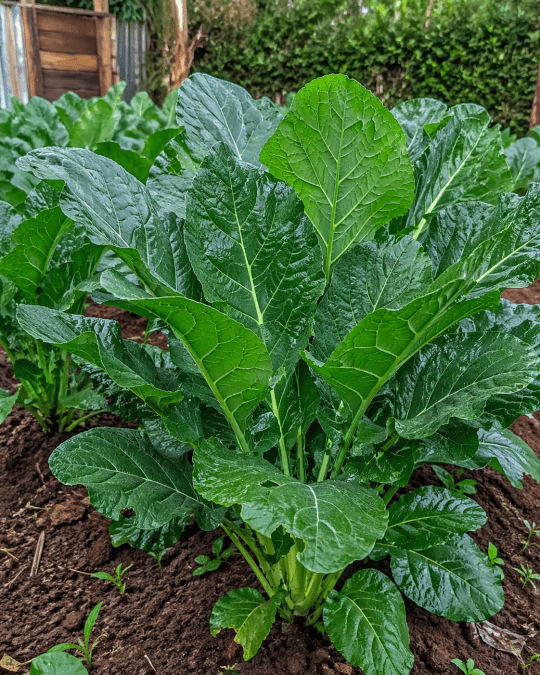
Parents can utilise the reopening week to plant fast-growing vegetables such as spinach, sukuma wiki, cowpeas, amaranth and black nightshade.
FAO reports that communities in Kenya are growing spinach, kale, cowpeas, amaranth and others for nutrition purposes.
Such plants can help in improving the nutrition of families, who can consume them upon maturing. In addition, parents will not experience pressure to buy vegetables from markets every day.
With children at home, such a garden may face difficulties growing due to the busy atmosphere at home. However, when students return to boarding schools, parents will be able to water and harvest them regularly.
4. Compost corner
Composting involves creating a compost corner for kitchen waste, leaves and garden waste that can be turned into manure. It helps to recycle waste products into materials that contribute to plant growth. ([terra-safi.com][5])
This idea is suitable for the school reopening week when the number of waste products from meal preparation increases significantly. It allows to recycle more waste.
During holidays, composting may result in a mess if leftovers, plastic products and other types of waste are added to the compost. After reopening, it will be easier to maintain the composting process.
5. Container gardening
Container gardening includes using buckets, tins, crates, old basins or planters. Suitable vegetables for a container garden are tomatoes, onions, herbs, chillies and leafy vegetables.
This approach is suitable for renting houses since the garden can be easily moved when needed. This way, parents will be able to start the project without digging holes in the compound.
While students are at home, containers are easily movable, kicking and used for other activities.
Once children leave for boarding, containers will be easier to arrange in a proper way and watered regularly.
6. Rainwater harvesting
Parents can build a small project aimed at harvesting rainwater in order to supply vegetables with it.
Harvesting rainwater is common in Kenya as an alternative source of water for households, especially in dry periods.
Rainwater harvesting will allow us to avoid spending water from taps for watering vegetables.
This project requires order and safety. If children are home, containers will be opened, misused and unprotected. Once schools reopen, rainwater collection can be organised properly.
7. Low-maintenance fruit garden
For those having small compounds, parents can plant fruits including pawpaw, tree tomato, passion fruit and dwarf bananas.
Fruits will take longer to grow, but are worth trying for future benefits.
Growing fruits improves the knowledge of kids about gardening; besides, they provide additional nutrition in the future. Home gardens provide families with easy access to diverse nutrient-filled foods.
This may not work well during holiday weeks since fruits are very sensitive and must be protected.
After schools reopen, fruits will have a better chance to grow well.
The most useful garden project should not be the biggest, but consistent enough.
School boarding reopening provides sufficient breathing room for parents to water, weed, compost and plant at home.