Small daily habits that are quietly destroying your eyesight
By Dan Kauna, May 5, 2026You probably do not think much about your eyes until something goes wrong. But by then, the damage may already be done.
The truth is, a lot of the ways most of us move through the day, glued to a phone screen in a dim room, brushing off that recurring headache, putting off a visit to the optician, all these are slowly working against our vision.
The science is catching up, and it is not especially reassuring.
Here is what you need to know.
Your screen habits are reshaping your eyes
The average Kenyan with a smartphone is spending several hours a day staring at a small, bright screen – often held uncomfortably close to the face.
What many do not realise is that this habit is doing more than causing tired eyes at the end of the day.
Research published in BMJ Open Ophthalmology by Sheppard and Wolffsohn found that digital eye strain (the cluster of symptoms triggered by prolonged screen use) has a prevalence that “may be 50% or more among computer users,” with symptoms falling into two main categories: those tied to visual and focusing stress, and those linked to dry eye.
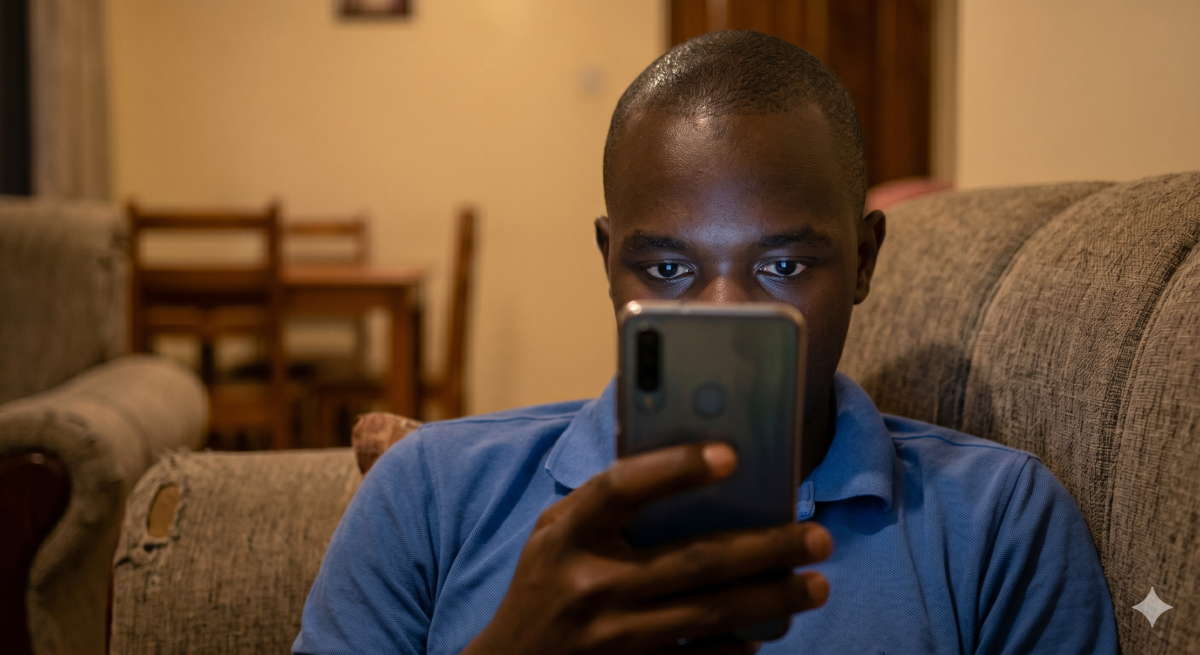
In plain terms, that means roughly one in every two people who regularly use a screen is already experiencing some form of eye discomfort, whether they have named it or not.
And the long-term picture is even more striking.
A 2025 meta-analysis published in JAMA Network Open, drawing on studies from multiple countries, found that smart device screen time alone was associated with a 26% increase in the odds of myopia, while use in combination with a computer pushed those odds up by 77%.
Myopia, or short-sightedness, is no longer just a condition people are born into but increasingly becoming one that is being acquired, and screens are a significant driver.
Proximity matters too. The closer you hold your phone, and most of us hold it very close, especially at night, the harder your eyes have to work to keep the image in focus.
Over time, that strain compounds.
The warning signs you keep ignoring
That headache behind your eyes after a long day on the laptop? It is not just stress.
Recurring headaches, blurred vision after screen use, difficulty adjusting focus between near and far objects, and dry or watery eyes are all recognised symptoms of digital eye strain.
They are your eyes’ way of telling you something needs to change.
Poor lighting makes everything worse. Working in a room that is too dark forces your pupils to work overtime, while overly harsh lighting creates uncomfortable glare on screens.

Neither extreme is kind to your eyes. The sweet spot is ambient lighting that roughly matches your screen’s brightness, with your display positioned slightly below eye level.
Then there is the issue most people sidestep entirely: the annual eye check. It is easy to assume that because your vision feels fine, your eyes are fine.
But many of the most serious eye conditions (glaucoma, early diabetic retinopathy, age-related changes) develop quietly, without noticeable symptoms in their early stages.
A peer-reviewed record linkage study found that delayed attendance at routine eye examinations was associated with increased referral risk, pointing to “missed opportunities to detect potentially serious eye conditions.” Catching a problem early almost always means more treatment options and a better outcome.
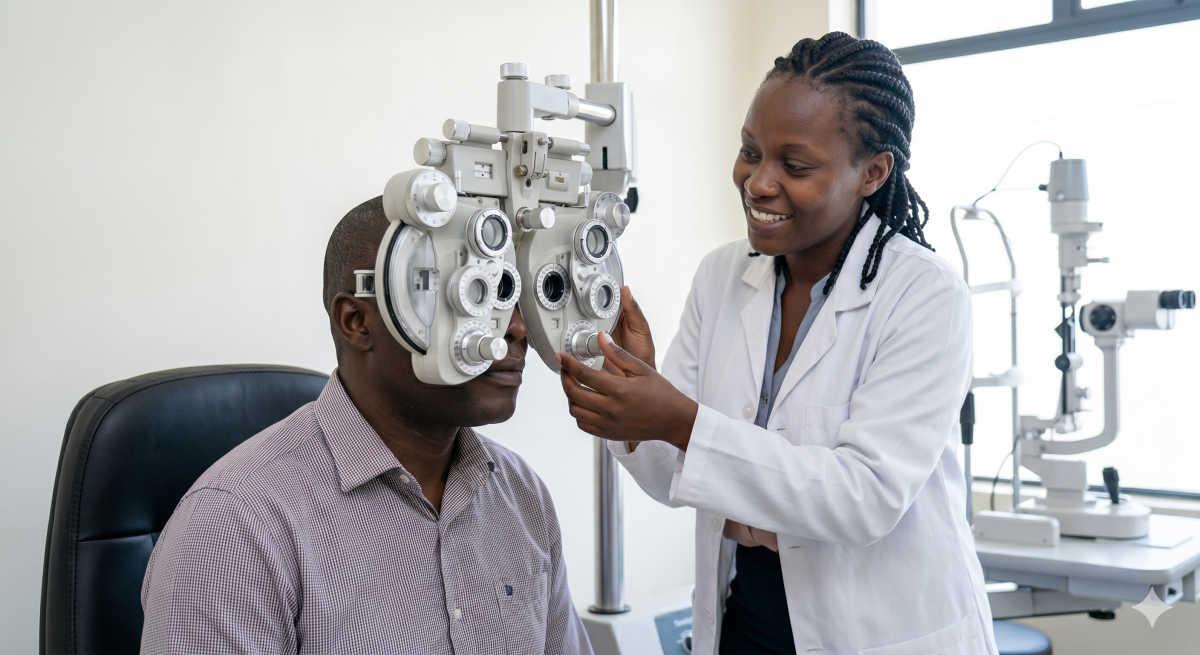
Optometrists generally recommend an eye exam at least once every two years for healthy adults, and more frequently if you are diabetic, have a family history of eye disease, or already wear corrective lenses.
In Kenya, eye clinics and optometry services are available in most major hospitals and private optical outlets across Nairobi and other urban centres.
There are recommended fixes you can adopt. Follow the 20-20-20 rule: every 20 minutes, look at something 20 feet away for 20 seconds.
Increase your screen font size so you are not straining to read. Adjust your screen brightness to match your environment. Get your eyes checked. Small adjustments, made consistently, go a long way.