Advertisement
Sitting room lighting: How to get it right like a professional
28th April, 2026 11:26 PM
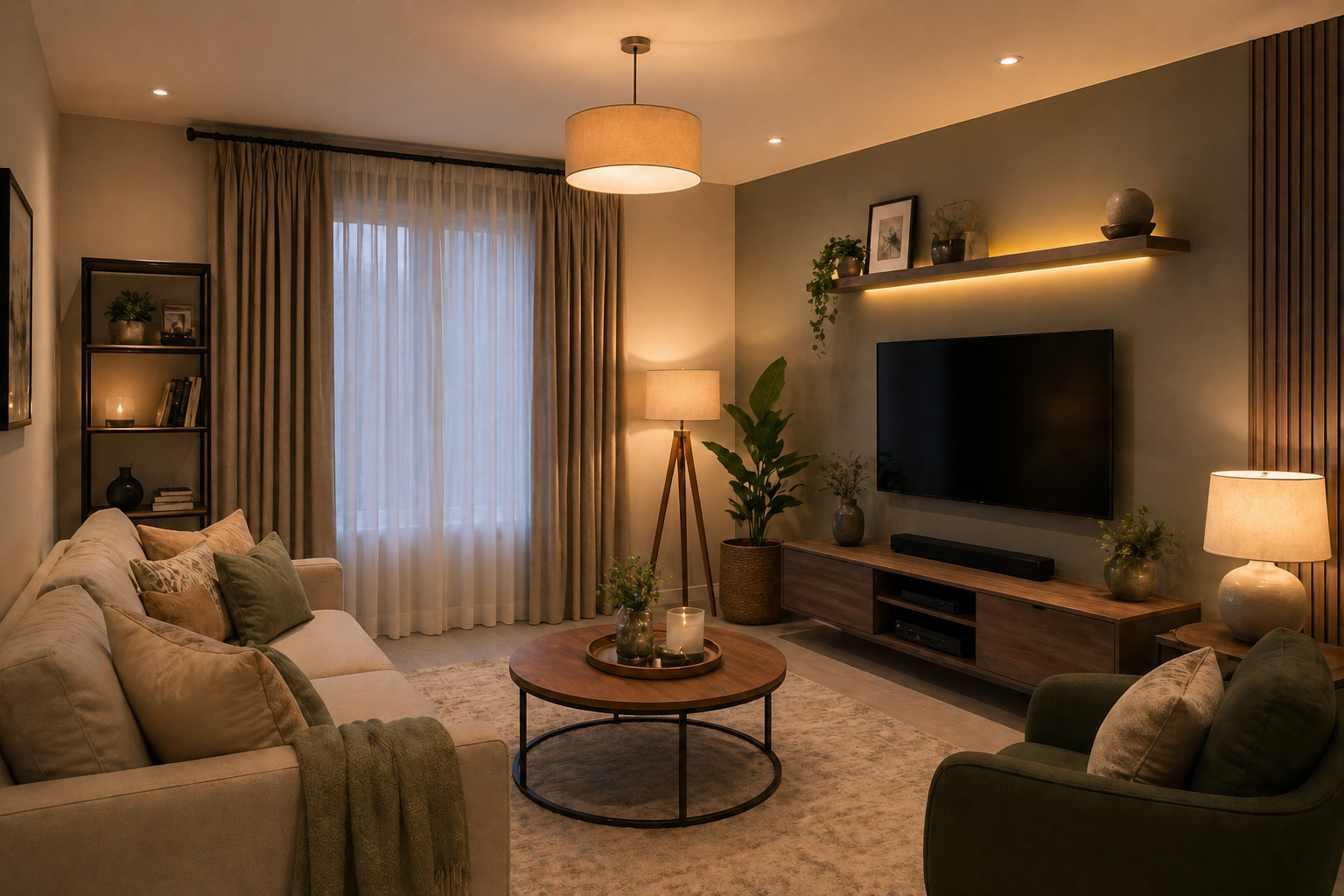
A well-lit sitting room does more than brighten a space. It shapes mood, improves comfort, reduces eye strain and makes a home feel polished.
Yet many people get lighting wrong by relying on one harsh bulb, using lights that are too dim, or overdecorating with bright fixtures that feel tiring after a few minutes.
Professional lighting is not about making a room as bright as possible. It is about balance.
Good lighting should feel natural, practical and comfortable at different times of the day. The goal is to light the room without overwhelming it.
Start with layers
Interior designers often use three layers of lighting: ambient, task and accent lighting.
Ambient lighting is the main light that fills the room. This may come from a ceiling fixture, recessed lights or a central pendant.
It should provide even brightness without sharp glare.
Task lighting is focused light used for activities such as reading, working or hobbies. Floor lamps beside a sofa or a table lamp near a chair work well here.
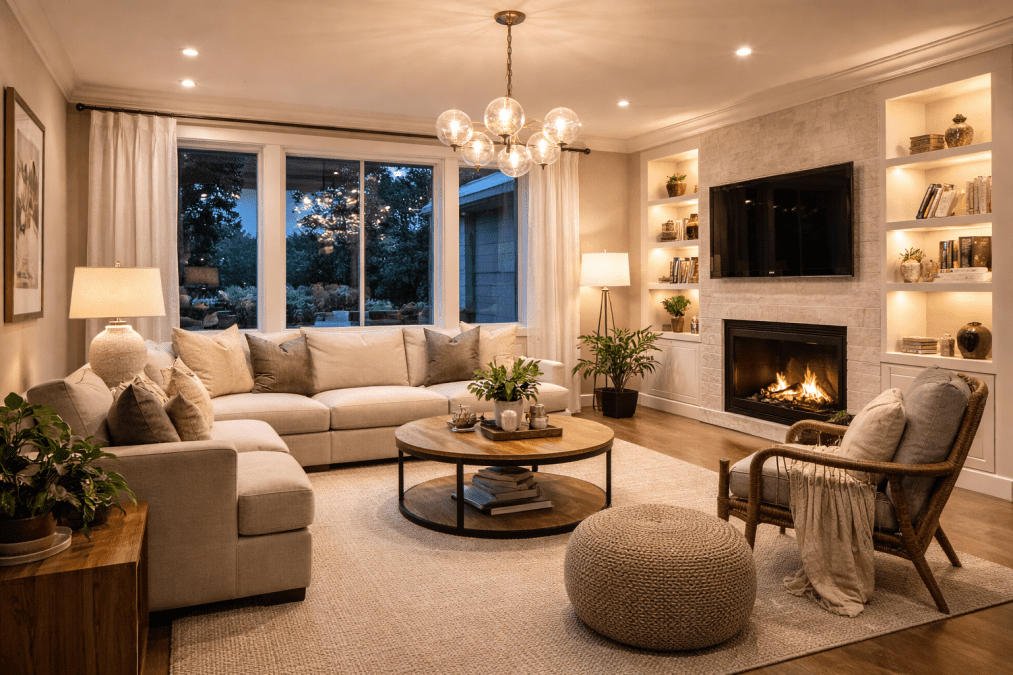
Accent lighting adds depth and style. It can highlight artwork, shelves, plants or textured walls. Used gently, it makes the room feel more expensive and thoughtfully designed.
A sitting room that uses all three layers usually feels better than one that depends on a single ceiling bulb.
Choose the right colour temperature
Light colour matters more than many realise. It affects how the room feels and how colours appear.
Warm white light creates a cosy and relaxing mood, making it ideal for evening use. Neutral white feels clean and balanced, often suitable for general daily use. Very cool white can feel harsh in a home setting if overused.
For most sitting rooms, warm to neutral tones create the most welcoming environment while still keeping the room practical.
Avoid glare and shadows
Too much direct light can create glare on televisions, polished floors and glossy furniture. It can also cause discomfort for the eyes. Position lights so they spread across the room rather than shine directly into faces or screens.
At the same time, avoid dark corners. If one side of the room feels gloomy, add a lamp or wall light to distribute brightness evenly.
Use dimmers and controls
Professional spaces often feel better because lighting changes with the moment. Bright light may suit cleaning or entertaining guests, while softer light works better for relaxing in the evening.
If possible, use dimmable bulbs or separate switches for different lighting zones. This gives control without needing to change fixtures.
Match size to room
Large rooms may need multiple light sources instead of one powerful bulb. Smaller rooms can feel cluttered with oversized fixtures. Keep scale in mind so the lighting suits the space.
Final touch
The best sitting room lighting feels effortless. It should flatter the room, support comfort and never feel extreme. When brightness, placement and colour are balanced, a sitting room looks professional and feels healthy to live in every day.