Simple meals that nourish women’s reproductive wellness
By Katemarthason Okudo, May 14, 2026What is placed on the plate each day can quietly shape many aspects of a woman’s health, including hormone balance, menstrual wellness and fertility. While no single food works as a cure or quick fix, growing nutritional research continues to show that everyday meals play an important role in supporting reproductive health.
Across many Kenyan homes, some of the most beneficial foods are already familiar and affordable. From traditional greens to whole grains and healthy proteins, these foods provide nutrients that help the body regulate hormones, support ovulation and reduce inflammation that can affect reproductive wellness.
A balanced diet matters because the reproductive system relies heavily on nutrients to function properly. Hormones such as oestrogen and progesterone are influenced by what the body absorbs from food. Poor nutrition, high intake of processed foods, and deficiencies in key vitamins can contribute to irregular cycles, low energy, and hormonal imbalances.
Traditional greens offer more
Locally available vegetables such as managu, kunde, terere and spinach are rich in iron, folate and magnesium. These nutrients are especially important for women during menstruation and in supporting fertility.
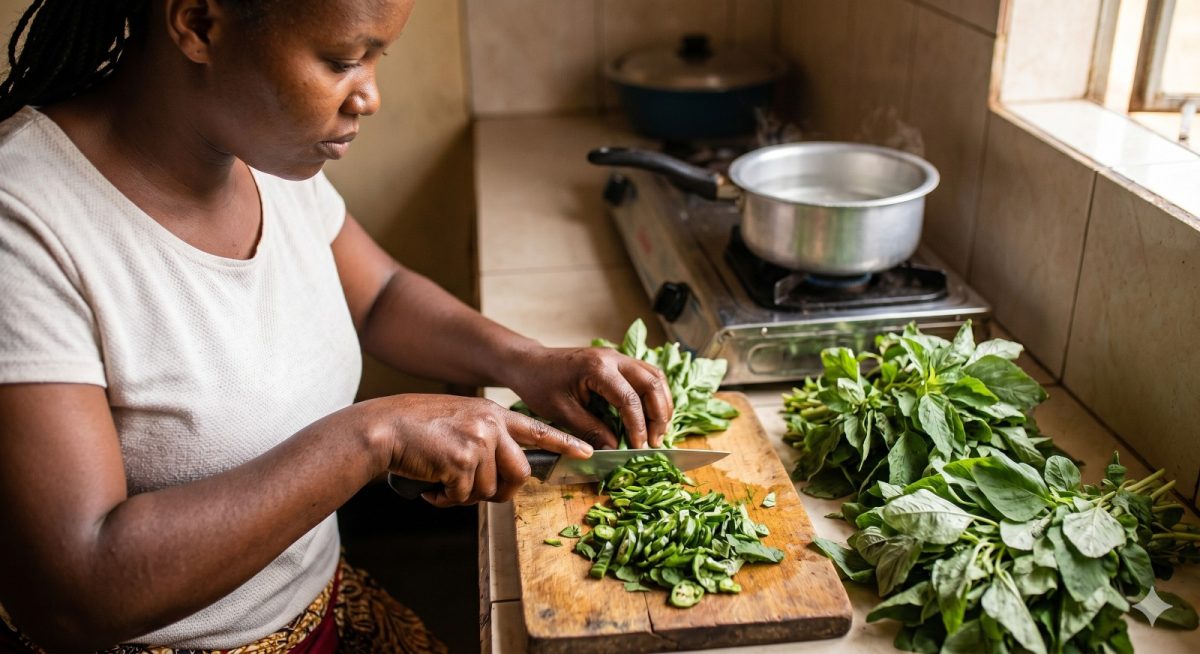
According to the World Health Organization, iron deficiency remains one of the leading nutritional concerns among women of reproductive age globally. Iron-rich vegetables can help replenish blood loss during menstruation and support oxygen circulation in the body.
Folate, commonly found in leafy greens, is also essential for reproductive health. It supports healthy ovulation and is vital before and during early pregnancy. Healthy dietary patterns rich in vegetables, whole grains, and healthy fats are associated with improved reproductive outcomes.
Whole grains and healthy fats support hormone balance
Foods such as millet, sorghum, brown ugali, sweet potatoes and arrowroots provide slow-releasing energy that helps stabilise blood sugar levels. This is important because unstable blood sugar can interfere with hormone regulation.
Healthy fats also play a major role. Avocados, groundnuts, sesame seeds and omena contain nutrients that support hormone production and reduce inflammation.
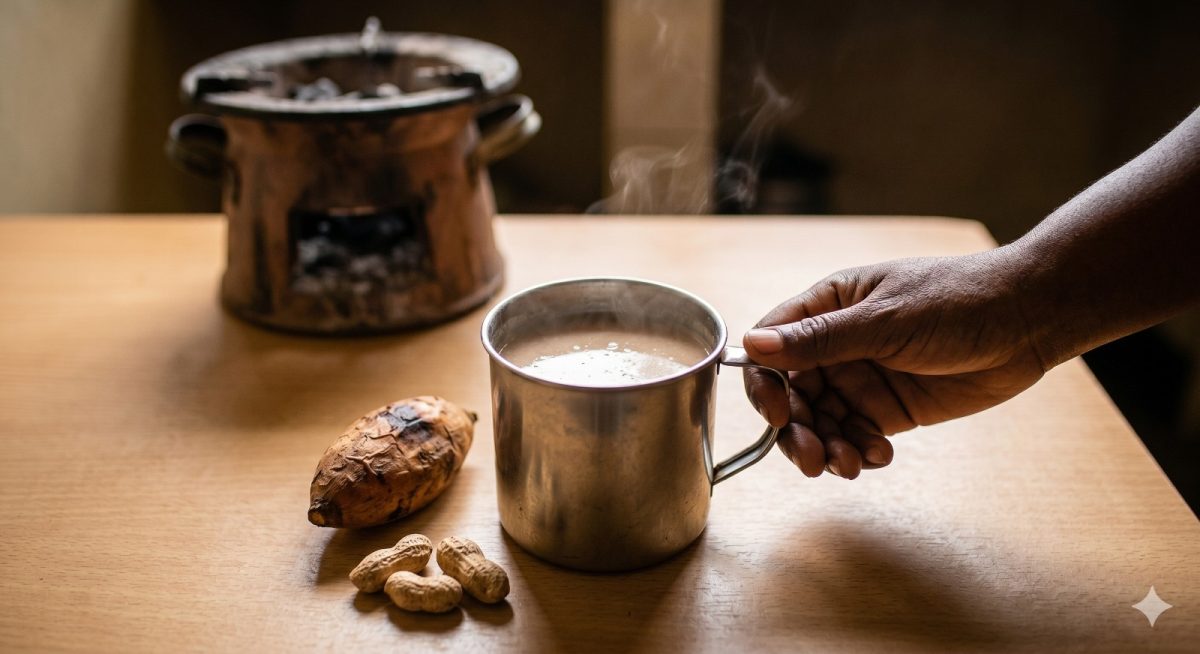
Omega-3 fatty acids found in omena and freshwater fish have been linked to reduced menstrual discomfort and improved reproductive function. Studies from the National Institutes of Health show that omega-3 intake may support hormonal balance and menstrual regularity.
Affordable Kenyan meals that make a difference
Simple combinations can offer strong nutritional support. A serving of brown ugali with managu and beans provides fibre, iron and plant protein. Sweet potatoes paired with avocado offer complex carbohydrates and healthy fats. Millet porridge enriched with groundnuts adds minerals linked to reproductive wellness.
Hydration also matters. Warm ginger tea, lemon water and unsweetened traditional porridge can support digestion and reduce bloating often linked to menstrual discomfort.
Good reproductive health is rarely about expensive supplements or imported superfoods. In many cases, it begins with consistent, balanced meals built from affordable local ingredients.