Reasons why some people who exercise are still gaining weight
By Katemarthason Okudo, May 11, 2026Even with consistent workouts at the gym, morning jogs, or home fitness routines, some people still find the numbers on the scale going up instead of down.
It can be frustrating, especially when effort seems high but results do not match expectations. Health experts explain that weight gain despite exercise is more common than many think and is influenced by several hidden factors.
Eating more than the body needs to burn
One of the main reasons is calorie imbalance. According to the World Health Organisation (WHO), weight management is largely determined by the balance between energy consumed and energy used.
Some people unknowingly eat more after exercising, believing they have “earned” extra food. High-calorie snacks, sugary drinks, or larger portions after workouts can easily cancel out calories burned during exercise.
Even healthy foods can contribute to weight gain when taken in large quantities. Nuts, avocados, and smoothies, while nutritious, are calorie-dense and may lead to excess intake if not measured properly.
Not all exercises burn the same calories
Another factor is the type and intensity of exercise. Health specialists from the Center for Disease Control and Prevention (CDC) noted that not all physical activity leads to significant calorie burn. Light workouts such as slow walking or stretching may not create a strong enough calorie deficit for weight loss.
Without combining strength training and moderate to high-intensity workouts, the body may not burn enough stored fat, even if someone is active daily.
Muscle Gain Can Increase Body Weight
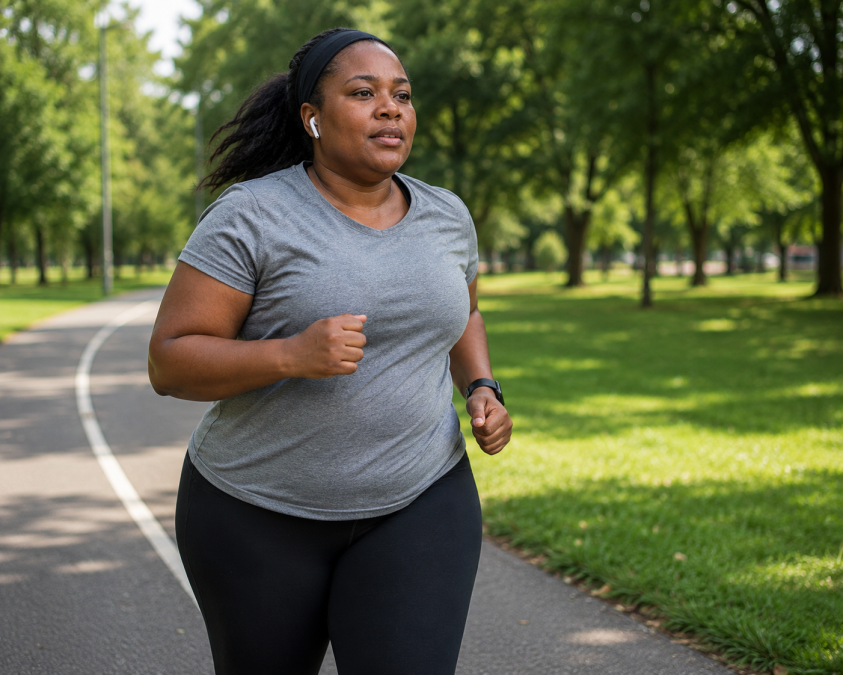
Exercise, especially strength training, often leads to muscle development. Muscle is denser than fat, meaning it weighs more even though it takes up less space. This can cause the scale to rise even when the body is becoming fitter and leaner.
According to the Mayo Clinic, people who start regular resistance training may notice weight gain at first due to muscle growth and water retention in muscles during recovery.
Hormones and stress play a role
Stress and hormonal imbalance can also interfere with weight loss. High stress levels increase cortisol, a hormone that can lead to fat storage, especially around the abdomen. Poor sleep, which often comes with stress, can also disrupt metabolism and increase appetite.
Health experts emphasize that the body needs proper rest to recover from workouts and regulate hormones effectively.
Hidden medical conditions and medications
In some cases, underlying health conditions such as thyroid disorders or certain medications like antidepressants and steroids can cause weight gain even when a person is active. These conditions slow down metabolism or increase appetite, making weight control more difficult.
Exercise remains a key part of a healthy lifestyle, but it does not work in isolation. Diet, sleep, stress levels, and overall lifestyle habits all play a role in determining body weight. As noted by global health institutions, including the WHO and CDC, sustainable weight management requires a balanced approach rather than relying on exercise alone.