Muslim vs Christian burials: 7 key differences in how the dead are laid to rest
By Katemarthason Okudo, September 8, 2026The death of Hafidh Ameir Hassan, husband of Tanzanian President Samia Suluhu Hassan, has brought renewed attention to Muslim funeral and burial traditions.
Ameir, who was a Muslim, was laid to rest in Kizimkazi, South Unguja, Zanzibar, on Monday, September 7, hours after his death was announced, following Islamic funeral rites, a process that is generally different from what many Christian families follow.
While both religions place importance on giving the deceased a dignified farewell, the preparation of the body, funeral service, and burial can differ in several ways.
1. How quickly the burial takes place
Islam places strong emphasis on burying the deceased as soon as reasonably possible after death. In many Muslim communities, burial takes place within a short period after preparations and any necessary legal procedures have been completed.
Christian funerals may take longer to organise, particularly where relatives have to travel, or a church service and other arrangements need to be scheduled. However, there is no universal Christian rule requiring burial after a particular number of days.
2. Preparing and covering the body
A major difference is how the body is prepared.
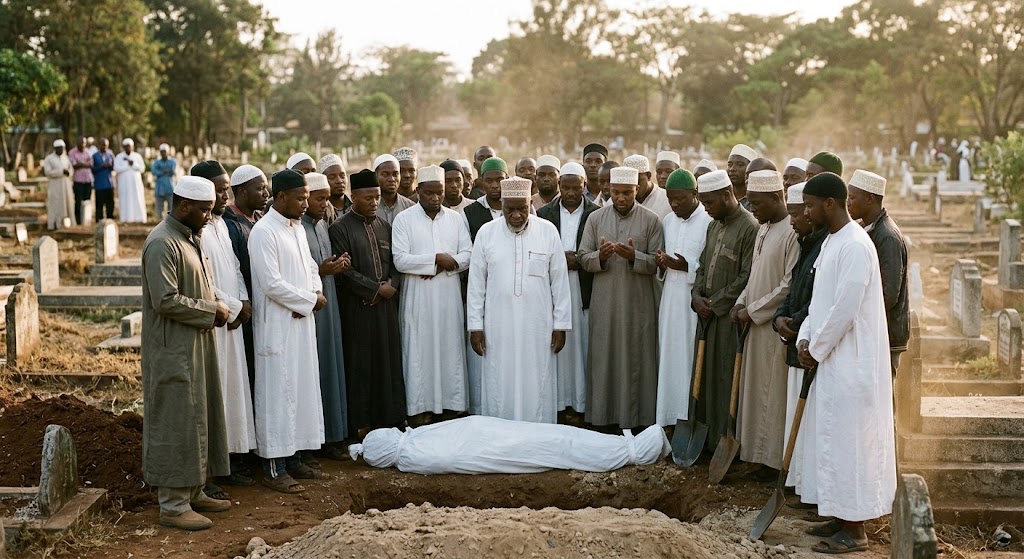
In Islamic tradition, the deceased is washed in a prescribed ritual and wrapped in a simple shroud known as kafan. The plain covering reflects the principle that people are equal before God regardless of wealth or social status.
Christian funeral practices are more varied. The deceased may be dressed in formal clothing or an outfit chosen by the family and placed in a coffin or casket.
3. The use of a coffin
Traditional Islamic burial does not normally require an elaborate coffin. The body is placed in the grave according to Islamic burial practices, although the use of a coffin may be required by local laws or circumstances.
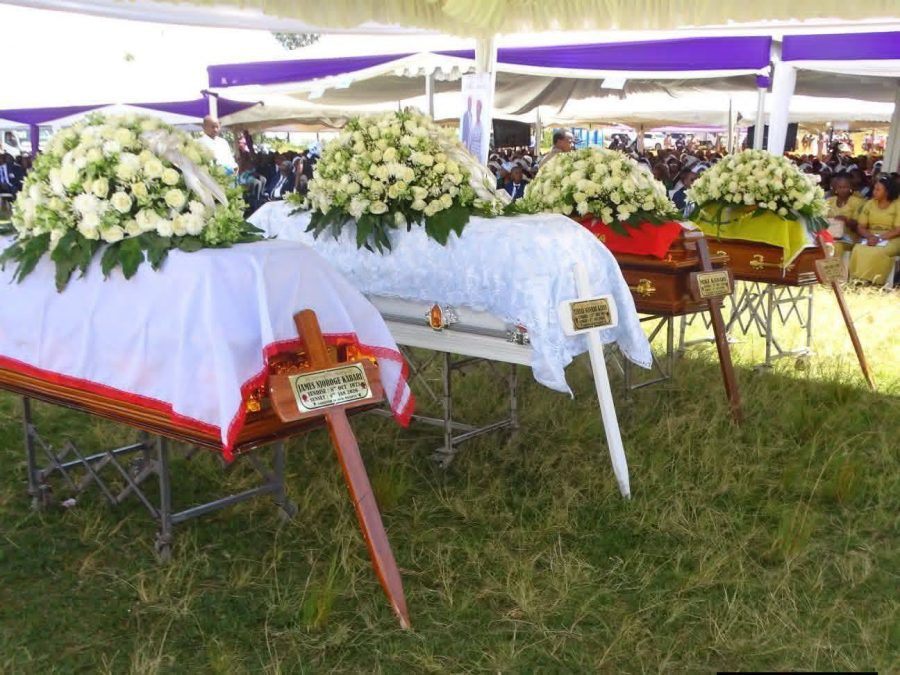
Christian burials commonly involve a coffin or casket. The coffin is brought into the funeral service before the body is buried or cremated. The type of coffin can range from a simple wooden design to more elaborate options depending on the family’s wishes and local customs.
4. Burial versus cremation
This is one of the clearest differences between traditional Islamic practice and many modern Christian practices. Islam traditionally requires burial and does not accept cremation as the normal way of disposing of the body.
Christianity, however, has a wider range of practices. Many Christian denominations permit cremation alongside traditional burial. Cremation is also recognised as part of Christian funeral practice and provides services for burial.
The Catholic Church also permits cremation under certain conditions, showing why Christian funeral practices cannot be treated as one uniform system.
5. Funeral prayers and services
Muslim funerals include Salat al-Janazah, the funeral prayer offered for the deceased. The ceremony is generally simple and focuses on seeking God’s mercy and forgiveness for the person who has died.
Christian funerals can involve Bible readings, prayers, hymns, a sermon, tributes and a final committal. Thanksgiving is included for the deceased’s life, prayers for mourners, readings, and a committal of the body to its resting place.
6. How the body is positioned
In Islamic burial, the deceased is traditionally placed on the right side facing the qiblah, the direction of the Kaaba in Makkah.
Christian burial practices do not have one universal direction for positioning the body. Some historic Christian burial traditions have associated graves with an east-facing orientation because of beliefs surrounding the resurrection, but this is not a requirement followed by every Christian family or denomination.
This makes body positioning another area where religious tradition and local custom can differ.
7. Viewings and wakes
Muslim funerals generally place greater emphasis on quickly preparing and burying the deceased rather than holding prolonged viewing ceremonies.
Christian communities, particularly in parts of Africa and other regions, may hold wakes or viewing ceremonies where relatives, friends and members of the community gather to pay their respects.
However, even within Christianity, this differs from one family and denomination to another. A funeral may take place in a church, cemetery, crematorium or another approved location.
Different traditions, same purpose
Although Muslim and Christian burials can look very different, both traditions place importance on treating the dead with dignity and providing support for those left behind.
The differences are often most visible in the speed of burial, preparation of the body, use of coffins, funeral prayers and whether cremation is accepted.
At the same time, neither Islam nor Christianity has a single funeral practice that looks the same everywhere. Culture, denomination, local law and family traditions can all influence how a funeral is conducted.
The burial of Hafidh Ameir Hassan therefore offers a reminder of how religious traditions continue to shape the way families across East Africa say goodbye to their loved ones.