Why some people manage money better under pressure than in comfort
By Katemarthason Okudo, September 25, 2026Having more money does not always mean being better at managing it. Some people become extremely careful with their finances when money is tight. They know what needs to be paid, how much they can spend, and what must wait until the next payday. Yet when their income improves, or financial pressure reduces, the same discipline can disappear.
This does not necessarily mean that financial comfort leads to careless spending. Rather, having less money can make every financial decision feel more immediate, while having more room can make some expenses feel easier to afford.
Pressure can make every shilling count
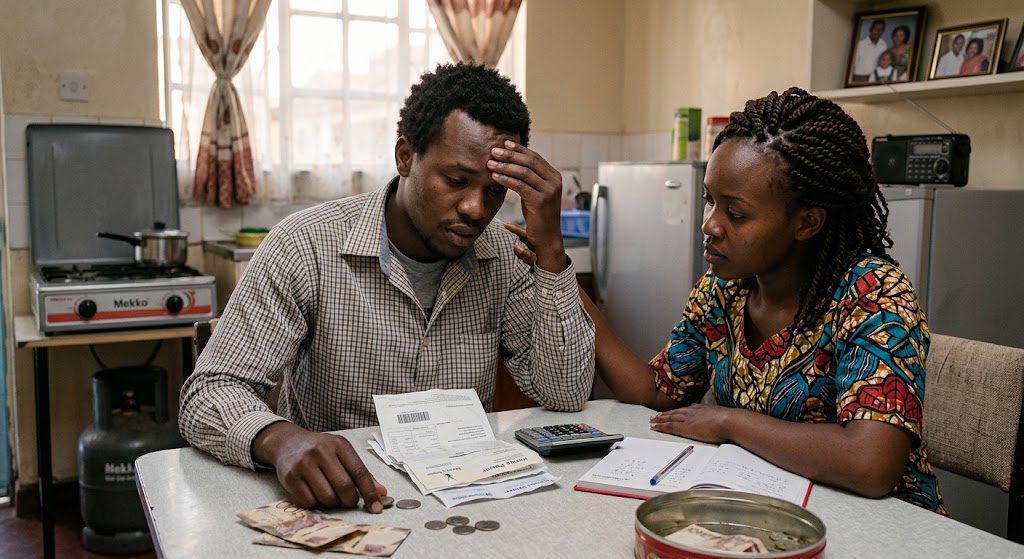
When money is limited, there is often little room for mistakes. A household may have to decide which bills need to be paid first, how much can go towards food and transport, and whether an expense can wait. These decisions can create a strict routine around money.
Someone who knows that their income has to last until the next payday may check their balance more often, compare prices, and avoid purchases that could leave them short.
Research on financial scarcity has found that money shortages can change how people make decisions, often drawing their attention towards the most immediate financial concerns. According to a 2025 study published in the Journal of Behavioral and Experimental Economics, perceived financial scarcity was associated with lower engagement in some financial management behaviours and less analytical thinking.

Comfort can create more spending room
When financial pressure reduces, the way money feels can change. A person who previously had to think carefully before spending Ksh1,000 may become less concerned about the same amount after receiving a salary increase, a better-paying job, or an additional source of income.
The extra money can make certain purchases feel less significant. Eating out, upgrading a phone, taking more trips or subscribing to several services may appear manageable individually.
The problem can arise when several small increases in spending happen at the same time. A higher income can then be followed by a higher cost of maintaining the same lifestyle.
Financial pressure is not always a good thing
Although pressure can make people more deliberate about money, constant financial stress can also make managing finances harder. Someone who is worried about rent, food, debt and other immediate expenses may have little mental space left for long-term planning.
Financial stress can affect household decisions around consumption and saving, with financial constraints placing psychological pressure on households. The study also found that some households may save more when they understand that building financial buffers can help reduce future stress.
This creates an important distinction. Being careful with money because of a clear budget is different from being forced to make difficult decisions because there is not enough money.
Why habits can change when income rises
A common challenge after an improvement in income is adjusting spending gradually rather than immediately. If a household receives an increase but also increases its lifestyle costs, the extra income may disappear without producing much additional savings.
For example, a person may move to a more expensive house, increase entertainment spending, and take on new monthly subscriptions after getting a better salary. Although their income has increased, the amount available for saving may remain almost unchanged.
Keeping some of the old financial habits can therefore make a difference. Money that becomes available after an income increase can be divided between current needs, savings and longer-term goals before new expenses are added.
Turning pressure into a lasting habit
The goal does not have to be living permanently under financial pressure. Instead, the useful lesson can be to keep some of the discipline developed during tighter periods even when circumstances improve.
Tracking expenses, setting aside savings before discretionary spending, and maintaining an emergency fund can help create structure without requiring a person to feel financially restricted.
Financial comfort can provide an opportunity to build stronger savings, but it can also make spending feel easier. The difference often comes down to whether increased financial room is treated as extra money to spend or as an opportunity to strengthen the household’s financial position.