Why getting unexpected money does not guarantee financial stability
By Katemarthason Okudo, August 14, 2026Many people believe that receiving unexpected money automatically solves financial problems. Whether it comes from an inheritance, a work bonus, a tax refund, compensation, a lottery win, or a surprise business deal, the expectation is often the same: life will become easier and financial worries will disappear.
However, financial experts say that a sudden increase in income does not always translate into long-term financial stability. In many cases, people who receive unexpected money find themselves facing the same financial challenges months or years later.
Financial stability is not determined by how much money a person receives at one particular moment. Instead, it depends on financial habits, planning, spending behaviour and the ability to manage resources over time.
Why a financial windfall often disappears quickly
Unexpected money is often viewed differently from regular income. A monthly salary is usually associated with responsibilities such as rent, school fees, food and transport. Extra money, on the other hand, is frequently treated as money that can be spent more freely.
According to research published in Organisational Behaviour and Human Decision Processes, people are more likely to spend money quickly when they did not expect to receive it in the first place. The study found that the surprise element attached to a financial windfall often encourages faster spending and less cautious decision-making.

This explains why some people make large purchases immediately after receiving an unexpected payout. A new car, expensive electronics, holidays, or lifestyle upgrades often become priorities before long-term financial plans are considered.
Lifestyle inflation can create new financial pressure
One of the biggest risks associated with unexpected money is lifestyle inflation.
Lifestyle inflation occurs when people increase their spending simply because they have more money available. A person who previously lived within a modest budget may suddenly move into a more expensive house, dine out more often, or take on additional financial commitments.
The problem is that many of these expenses continue long after the extra money has been exhausted.
Financial stability depends on consistent income and sustainable spending. Temporary money cannot permanently support a lifestyle that requires continuous spending.
This is why some individuals experience financial difficulties shortly after receiving a large sum of money. Their expenses increase, but their long-term income remains unchanged.
Financial stability is built through habits, not one-time payments
Saving money remains one of the strongest indicators of financial resilience.
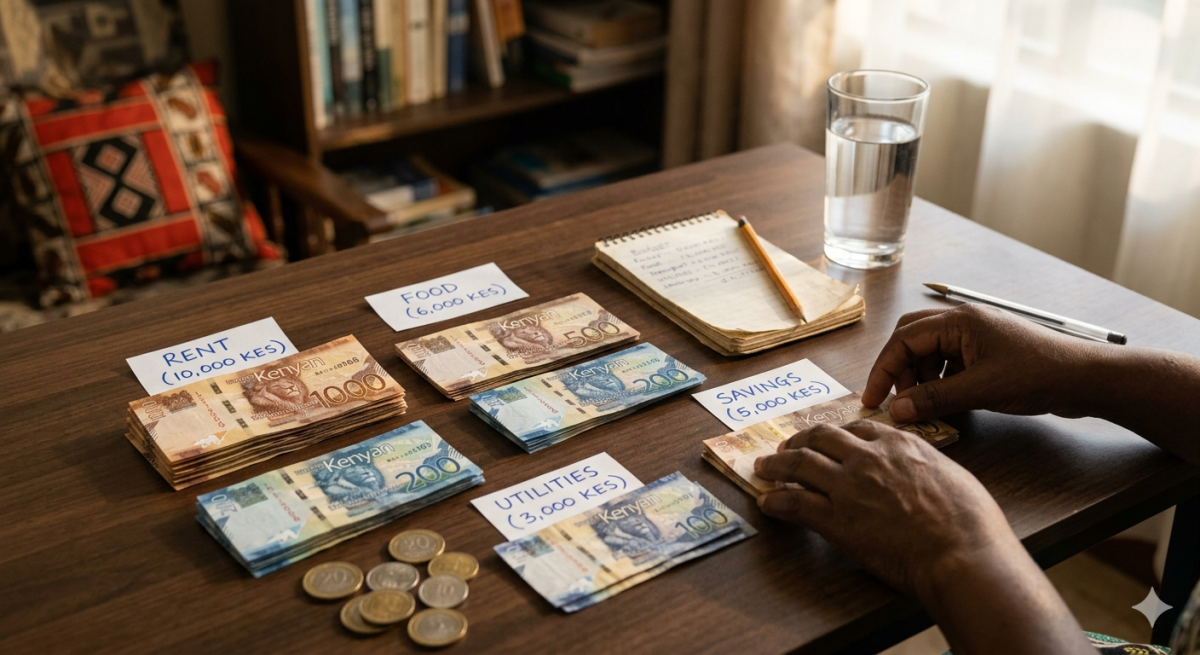
Households that create structured saving habits are more likely to improve their financial security over time. The research also suggests that unexpected money creates an opportunity to establish long-term saving patterns rather than short-term spending habits.
Creating an emergency fund, reducing debt, and investing for future goals can provide greater financial security than making impulsive purchases.
A financial windfall can offer temporary relief, but it cannot replace disciplined money management.
The source of money also influences spending decisions
Interestingly, studies show that people treat money differently depending on where it comes from.
People often assign different meanings to money based on its source. A bonus from work, an inheritance, a tax refund or lottery winnings may all be spent differently even when the amount is the same.
Money received after a major life event may carry sentimental value, while money won unexpectedly may feel less connected to personal effort. These emotional differences can influence spending decisions and financial priorities.