What happens during Budget Reading in Kenya and its link to Finance Bill
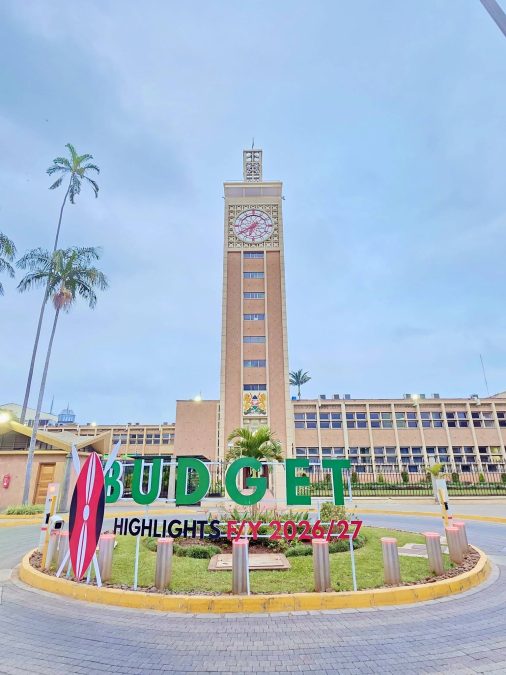
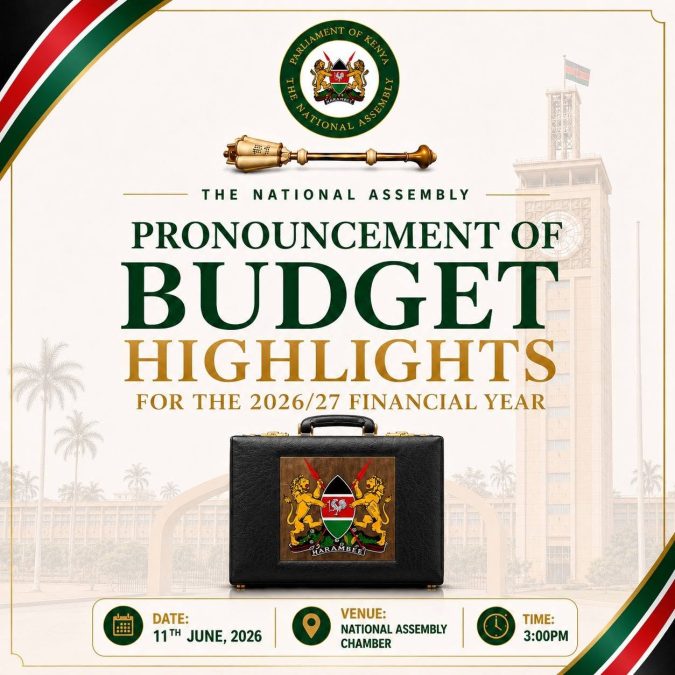
By David Nthua, June 11, 2026When Treasury Cabinet Secretary John Mbadi presented the 2026/27 Budget Statement before the National Assembly of Kenya on Thursday, June 11, 2026, many Kenyans focused on the billions allocated to roads, education, healthcare, security and affordable housing.
However, one important question often follows every budget reading: where will all that money come from?
The answer lies in the Finance Bill.
While the national budget outlines how much money the government plans to spend, the Finance Bill proposes how the government intends to raise the revenue needed to fund that spending through taxes and other changes to tax laws.
What is a budget reading?
A budget reading is the annual presentation of the government’s spending plan for the next financial year.
The Cabinet Secretary for the National Treasury outlines how much money the government expects to spend and where the money will be allocated.
The budget typically covers sectors such as education, healthcare, agriculture, infrastructure, security and social protection.
In simple terms, the budget answers one question:
What does the government want to spend money on?
Where does the money come from?
Governments do not simply announce spending plans without identifying sources of funding.
To finance the budget, Kenya relies on:
- Taxes collected by the Kenya Revenue Authority
- Government fees and levies
- Domestic borrowing
- External borrowing
- Grants and donor funding
Because tax revenue remains the government’s largest source of income, changes to tax laws often become necessary whenever the government seeks to increase revenue.
What is the Finance Bill?
The Finance Bill is a piece of legislation introduced in Parliament every year to amend tax laws and other revenue-related laws.
It contains proposals that may:
- Introduce new taxes
- Remove taxes
- Increase or reduce tax rates
- Create tax exemptions
- Improve tax administration
- Expand the tax base
In short, the Finance Bill explains how the government intends to collect the money needed to support the budget.
How are the budget and Finance Bill connected?
Think of the budget and the Finance Bill as two parts of the same plan.
The budget says:
“We want to spend this amount on roads, schools, hospitals and other programmes.”
The Finance Bill says:
“This is how we plan to raise the money.”
Without sufficient revenue, many of the projects and programmes announced during the budget reading would be difficult to fund.
This is why discussions about the Finance Bill often become just as important as the budget speech itself.
Which comes first?
Many Kenyans assume taxes are proposed first.
In reality, Kenya’s budget process generally starts by determining government priorities and expenditure plans. Once spending requirements become clear, the Finance Bill is used to generate the revenue required to support those plans.
As policy experts often explain, spending decisions largely come first, while tax measures are designed afterwards to help finance them.
Why should ordinary Kenyans care?
The budget affects public services and government programmes.
The Finance Bill affects people’s pockets.
Changes proposed in the Finance Bill can influence:
- The cost of goods and services
- Mobile money transactions
- Fuel prices
- Business costs
- Import duties
- Income taxes
- Housing and investment decisions
That is why debates around the Finance Bill often attract as much public attention as the budget itself.
The bottom line
A budget reading tells Kenyans what the government plans to spend money on during the coming financial year.
The Finance Bill explains how the government intends to raise that money.