Renting vs buying land in Kenya: Which option saves you more money?
By Katemarthason Okudo, August 21, 2026Land is often viewed as one of the most important assets a person can own in Kenya. However, buying land requires a large amount of money upfront, while renting provides flexibility without requiring a buyer to commit their savings to one property.
For someone trying to manage limited income, the question is not simply whether owning land is better than renting. It is about which option makes better financial sense based on income, location, intended use, and long-term plans.
The cheaper option today may not necessarily be the one that saves the most money over several years.
Renting requires less money upfront
Renting land can be attractive to someone who needs space for farming, business, or another activity but does not have enough money to purchase property.
Instead of raising a large amount to buy land, a tenant can make regular payments based on the terms agreed with the landowner. This leaves more money available for other needs, such as business operations, school fees, emergencies, or investments.
Renting can also make sense when someone is not sure how long they will remain in a particular area. A person running a temporary business, for example, may find it risky to spend heavily on land that they may not need in a few years.
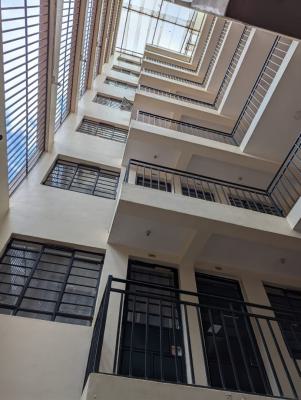
The downside is that rent does not create ownership. After years of making payments, the tenant does not automatically acquire an asset that can be sold or passed on to family members.
Buying requires more money but creates an asset
Buying land usually demands a larger financial commitment at the beginning. There may also be additional expenses associated with the transaction, including valuation, legal services, transfer charges and stamp duty.
According to the State Department for Lands and Physical Planning, land transfers require documents such as the original title, valuation report, rent clearance where applicable, and proof of stamp duty payment. The department also lists stamp duty at two or four per cent of the property value, depending on the circumstances.
Once the purchase is completed and properly registered, however, the buyer has an asset that can potentially appreciate.
This can make buying more attractive to someone who has a long-term plan to build a home, farm the land, develop rental property or eventually sell the property.
Location can change the calculation
The cost of land varies significantly depending on location. A parcel in a rapidly developing area may require a much larger investment than one in a less developed location.
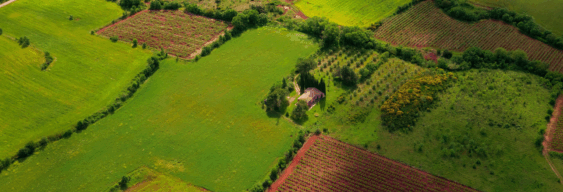
This means comparing rent and purchase prices without considering the location can give a misleading picture.
Someone paying relatively low rent may still be making a sensible financial decision if buying the same land would require taking on a large loan or using most of their savings.
On the other hand, a person who intends to use the land for many years may eventually spend a substantial amount on rent without acquiring ownership.
Buying land requires careful checks
Owning land can provide long-term security, but rushing into a purchase can turn an investment into a financial problem.
Before paying for property, a buyer should establish that the seller actually owns the land and check whether there are restrictions, cautions or charges against it.
An official land search helps verify ownership and identify encumbrances such as charges, cautions and restrictions. The department describes the search as an important part of due diligence before purchasing or leasing property.
This is particularly important because losing money on a fraudulent or disputed property can be far more expensive than the original cost of the transaction..
Renting may be suitable for someone who values flexibility and wants to preserve cash for other priorities. Buying may make more sense for someone with stable finances, a long-term plan and enough resources to handle the additional costs of ownership.