Psychology of money shame: Why Kenyans become too embarrassed about debt
By Dan Kauna, June 8, 2026You know someone who is drowning in loans – M-Pesa fuliza, a chama gone wrong, a mobile lender charging rates they cannot outrun. You might even be that person.
In Kenya, debt and personal failure have become almost synonymous in the cultural imagination.
To owe money is, in many households and social circles, to have made a moral error. The indebted person is not someone who ran into hard times; they are someone who failed to manage themselves.
Why shame makes debt worse, not better
The cruel irony of money shame is that it prevents the precise actions that would resolve the debt.
When a person feels ashamed, the natural psychological response is withdrawal – avoid the bank statement, stop opening the loan app, stay off calls from creditors, and certainly tell nobody. This feels protective. It’s actually the opposite.
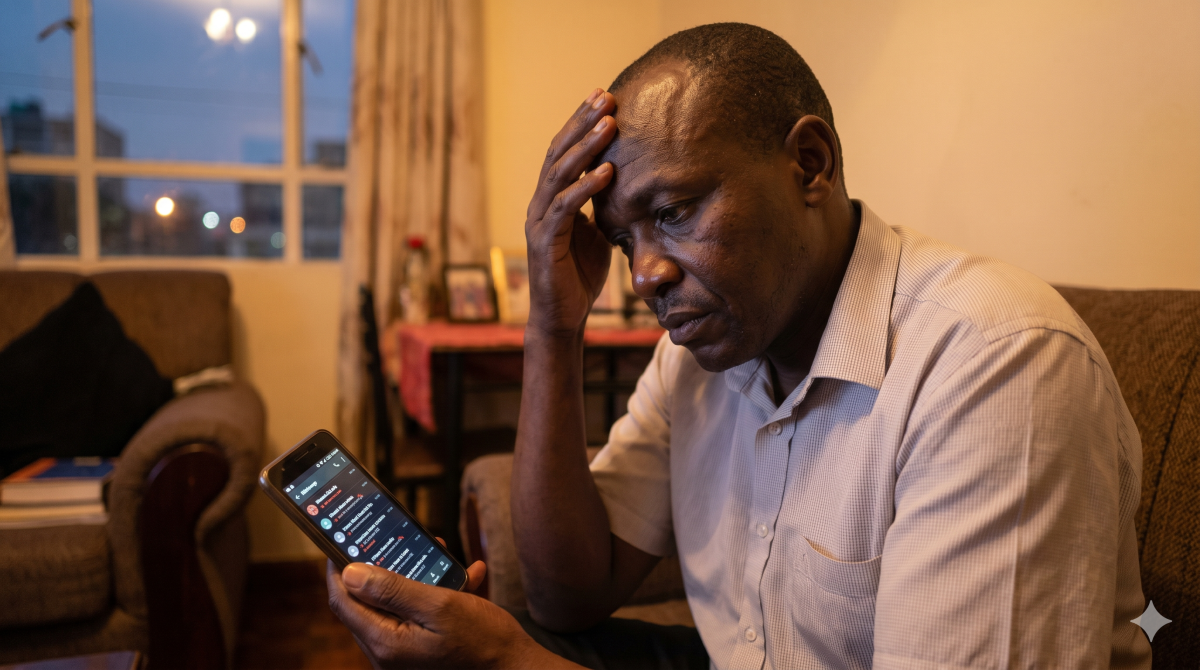
Researchers at the University of Colorado, Harvard, Bocconi, and Columbia examined this dynamic in depth.
Across six studies involving 9,110 participants (including real bank account data and longitudinal surveys), Gladstone, Jachimowicz, Greenberg, and Galinsky found that “shame induces withdrawal, which increases the probability of counterproductive financial decisions that only deepen one’s financial hardship.”
The study, published in Organizational Behavior and Human Decision Processes in 2021, also found that shame drives worse financial outcomes than guilt, because guilt can motivate repair, while shame motivates escape.
That distinction matters. Guilt says: “I did something I can fix.” Shame says: “I am the problem.”
When debt becomes an identity rather than a circumstance, the mind has no pathway forward.
The reframe that moves people from paralysis to action
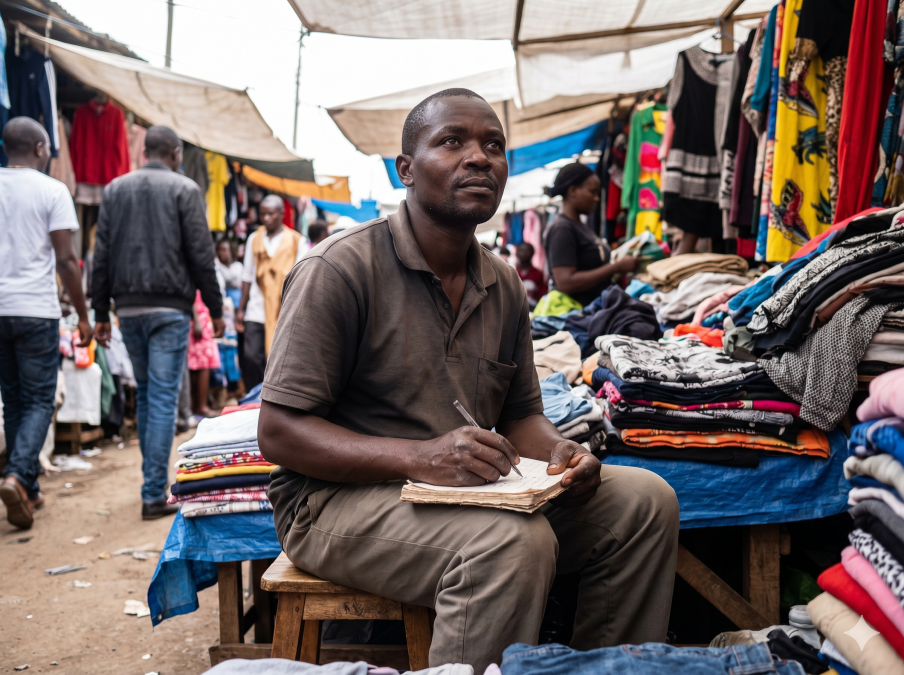
The shift that consistently helps people move is deceptively simple: separating the debt from the self. Debt is not a character verdict. It is a number, shaped by income, circumstance, interest rates, family obligations, and, in Kenya’s context, a formal financial system that locks out most workers.
The Kenya National Bureau of Statistics’ Economic Survey found that 83.6 per cent of Kenyan workers are in informal employment, meaning irregular income is not an exception here. It’s the norm. Debt in that environment is not evidence of personal failure. It is evidence of economic pressure.

Naming the shame out loud, to a trusted person, a financial counsellor, or simply in writing, is one of the most reliably effective first steps researchers have identified.
Once shame is acknowledged rather than buried, it loses much of its paralysing power. The person stops protecting their ego from the problem and starts solving the problem instead.
Practical steps – negotiating a repayment plan, consolidating loans, reducing the number of active lenders; become possible once the emotional block is removed.
If you are carrying debt in silence right now, the silence isn’t protecting you. The debt is a problem you have. It’s not a verdict on who you are.