Advertisement
Luxury or scam? Everyday products Kenyans are overpaying for
06th July, 2026 06:50 AM
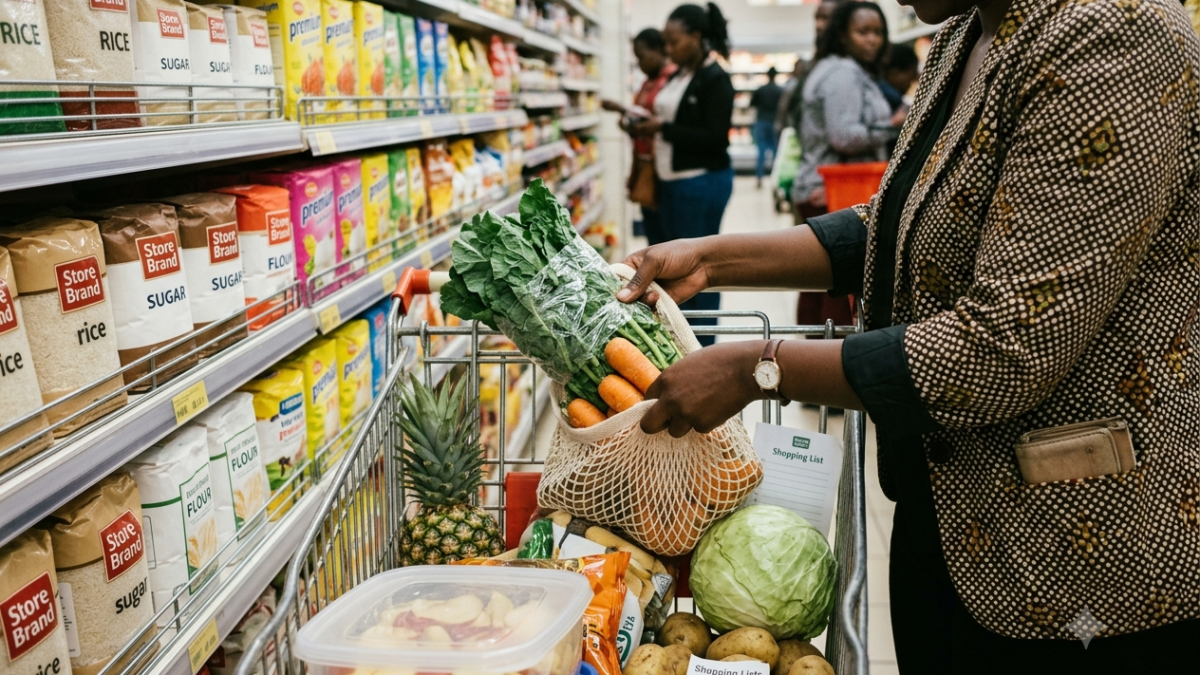
Walk into any supermarket with a shopping list and the best intentions, and somehow walk out with two extra carrier bags, a lighter wallet, and the lingering feeling that you have forgotten the one thing you actually went in to buy. It happens to almost everyone. Shopping has become more than picking items off a shelf. It is a carefully designed experience where convenience, attractive packaging and clever marketing often persuade us to spend more than we need to.
The truth is that expensive does not always mean better. Many everyday products come with hefty markups simply because they save you a little time, carry a familiar brand name or look more luxurious. Retailers know that busy consumers rarely stop to compare prices or calculate what they are paying for each gram, litre or piece. Instead, many of us grab whatever catches the eye and rush to the checkout before the queue grows any longer.
With the cost of living continuing to put pressure on household budgets, learning where your money quietly disappears can make a noticeable difference. Saving money is not always about giving up life’s little pleasures. Sometimes it is simply about recognising when convenience has become unnecessarily expensive.
Here are five everyday products that many Kenyans are paying far more for than they need to.
1. Pre-cut fruits and vegetables
There is something satisfying about picking up a neatly packed container of sliced watermelon or diced vegetables. They look fresh, ready to eat and perfect for busy weekdays. The problem is that convenience often comes with a surprisingly high price tag.
A whole pineapple or cabbage usually costs much less than its pre cut version, even though the only extra work involved is a few minutes with a knife at home. Research consistently shows that pre-prepared produce attracts some of the highest markups in supermarkets because shoppers are paying for labour, packaging and convenience rather than the food itself.
Unless you genuinely have very little time or need food prepared for medical or mobility reasons, buying whole fruits and vegetables offers far better value. Besides saving money, whole produce also tends to stay fresh longer, reducing food waste.
2. Bottled water for everyday use
Many people leave the supermarket with an entire pack of bottled water, even when they are heading straight home. While bottled water is useful during travel or emergencies, making it your daily source of drinking water can quietly drain your budget.
In many Kenyan homes, filtered tap water or boiled drinking water provides a much cheaper alternative. What makes bottled water expensive is not always the water itself. The cost includes plastic packaging, transportation, storage and branding.
Think about it this way. Paying for bottled water every day is a bit like taking a taxi from your bedroom to the kitchen. It certainly gets the job done, but it is hardly the most economical route.
Keeping a reusable bottle filled with filtered water can save thousands of shillings over a year while also reducing plastic waste.
3. Premium cleaning products
The cleaning aisle can feel like a beauty pageant. Every bottle promises brighter floors, shinier sinks and a fresher smelling home than the one next door. Yet many premium cleaning products contain ingredients that are remarkably similar to cheaper store brands.
Consumer finance experts note that shoppers frequently pay extra for branding, advertising and colourful packaging rather than significantly better performance.
For everyday tasks such as mopping floors, cleaning countertops or washing bathrooms, generic alternatives often perform just as well. In some cases, simple household ingredients such as vinegar and baking soda can handle common cleaning jobs effectively at a fraction of the cost.
This does not mean every expensive cleaner is a waste of money, but it is worth asking whether your kitchen floor truly knows the difference between a premium brand and a more affordable alternative.
4. Single-serve snacks
Tiny packets have a clever way of making people feel organised. Individual packs of crisps, biscuits, nuts and juice boxes look perfect for lunch boxes and quick snacks. Unfortunately, they are also one of the easiest ways to spend more for less.
Manufacturers charge a premium for individually packaged portions because they require extra packaging and processing. Buying a larger packet and dividing it into reusable containers at home often costs considerably less per serving.
The savings may seem small at first, but households that buy snacks every week can end up spending significantly more over the course of a year simply because of packaging.
5. Brand loyalty without price comparison
Many shoppers automatically reach for the same familiar brands every single week. There is comfort in buying products you know and trust, but blind loyalty can become expensive.
Across categories such as flour, sugar, rice, spices, toiletries and household essentials, store brands often offer comparable quality at noticeably lower prices. Experts recommend comparing unit prices rather than focusing only on the shelf price because different pack sizes can create the illusion of a bargain.
It is also worth checking promotions across different supermarkets instead of assuming your regular store always has the best deal. Spending a few extra minutes comparing prices can sometimes save more than chasing a flashy discount sign that only looks impressive from a distance.
Spend wisely, not lavishly
There is nothing wrong with enjoying convenience or treating yourself to premium products when they genuinely offer better quality or save valuable time. The challenge is recognising when you are paying for clever marketing rather than real value.
Building smarter shopping habits does not require complicated budgeting spreadsheets or giving up everything you enjoy. It simply means slowing down, reading price labels carefully and asking one simple question before placing an item in your trolley. Is this product actually worth the extra money?