Advertisement
How to stop impulse buying when your M-Pesa is ‘full’
30th April, 2026 08:35 AM
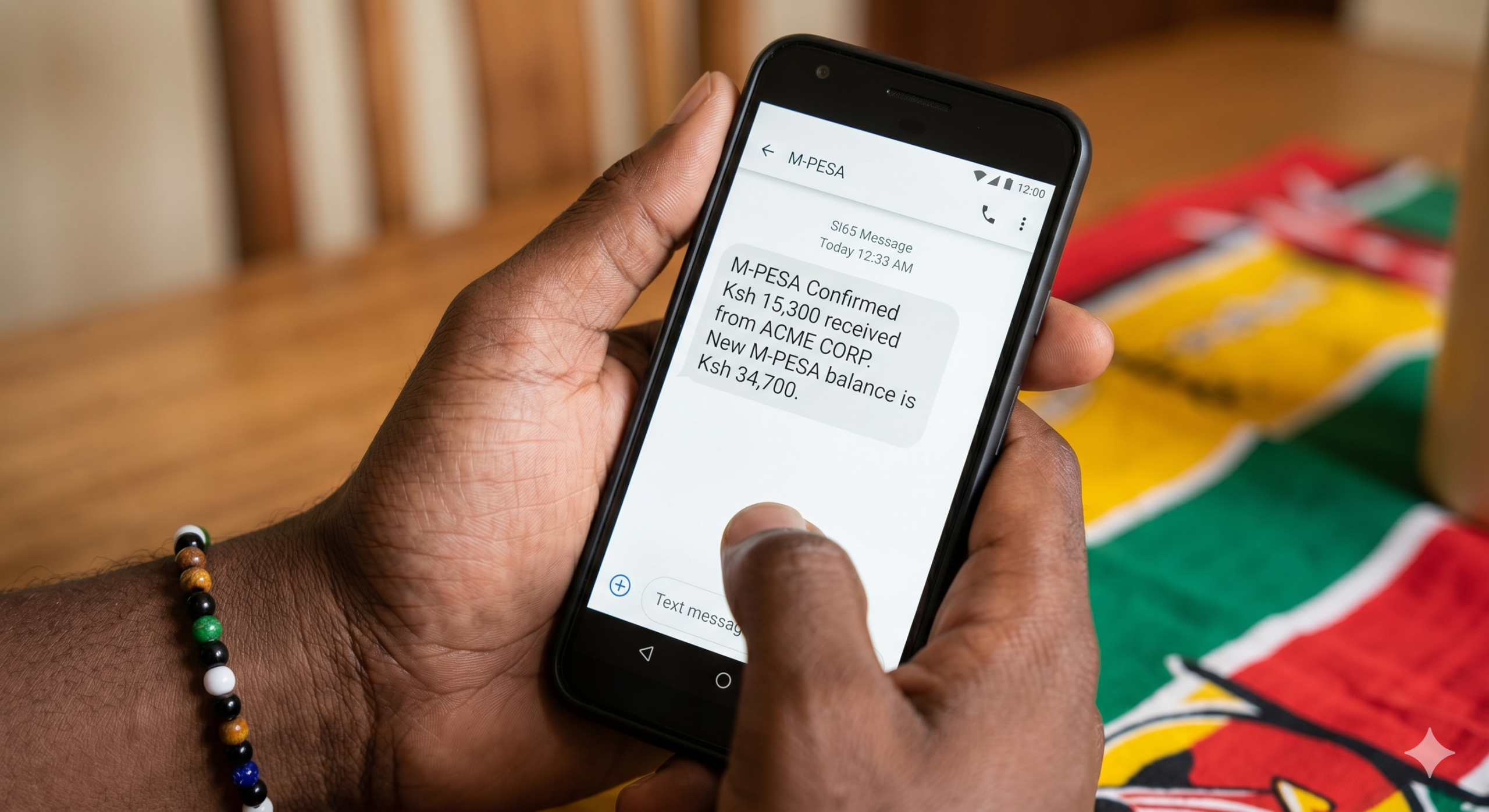
You receive a salary. Your M-Pesa balance jumps. Suddenly, everything feels possible – the new sneakers, the nyama choma spot your friends will not stop talking about, and the online shopping cart you swore you would ignore until payday. Before you know it, half your month is gone in 72 hours. Or less.
If this sounds familiar, you are not alone. Impulse buying is one of the biggest money challenges facing young Kenyans today, and mobile money has made it faster and easier than ever before. You do not even need a card or cash. A few taps and it is done.
But the problem is not M-Pesa. The problem is the feeling that comes with a full wallet and how quickly emotion can override intention.
Why do we spend without thinking?
Impulse buying is rarely about the item. It is almost always about the feeling.
Research shows that digital payment methods like mobile wallets create a psychological detachment from the act of spending, unlike cash, where handing over notes makes the cost feel real and immediate.
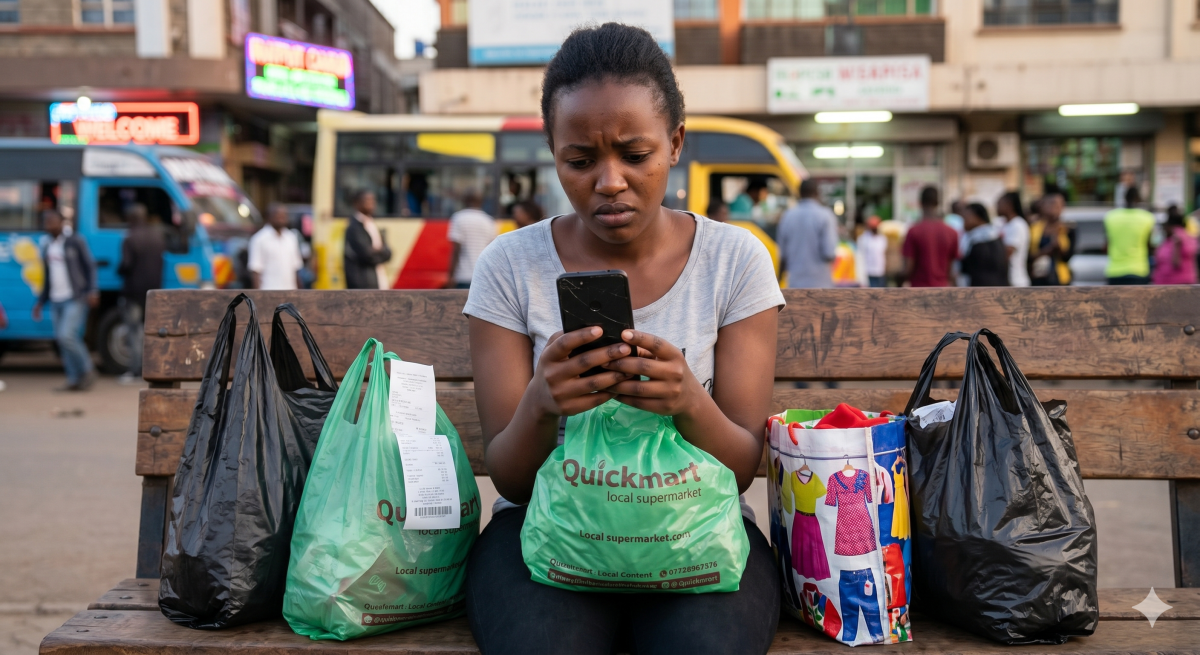
With M-Pesa, there is no wallet to open, no coins to count. Just a PIN and a confirmation SMS.
Studies have found that this frictionless experience makes unplanned purchases significantly more likely and makes people more inclined to justify those purchases as harmless.
Psychologists call this emotional spending: using purchases to manage moods like excitement, stress, or boredom.
Practical ways to take back control
The good news is that awareness is already half the battle. Once you recognise your triggers, you can build small habits that interrupt the cycle.
Set a 24-hour rule. Before completing any unplanned purchase above Ksh 500, wait a full day. If you still want it tomorrow, it is probably not an impulse. Most of the time, the urge passes on its own.
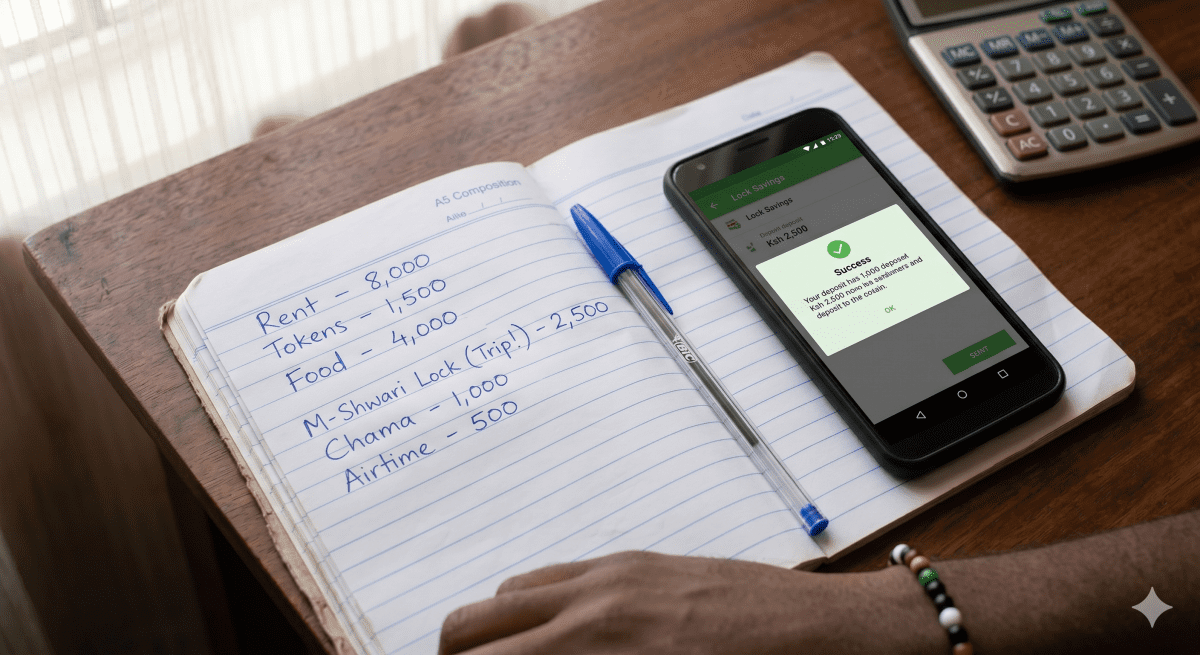
Move your money immediately. When your salary or any income hits your M-Pesa, transfer your savings and bills budget straight away before you spend anything. What is left is your actual spending money. This works especially well if you use a separate savings account or a locked mobile savings product.
Unfollow the triggers. If certain Instagram pages or WhatsApp groups consistently make you spend, mute or unfollow them. Your feed shapes your spending habits more than you realise.
Name your savings goal. People spend less carelessly when they are working toward something specific – a trip, a laptop, a business idea. Give your savings a name and a number, and check it every time you feel the urge to buy something unplanned.
Track every shilling for one month. You do not need a complicated app. A simple notes page on your phone works. Seeing your spending patterns written down is often enough to change them.
The relationship Kenyans have with mobile money is unique in the world.
But with great convenience comes the need for greater intention. Your M-Pesa should be a tool that builds your life, not one that quietly empties it.
Start small. One habit, one week at a time.