How to use Kenya’s small claims court to recover money you’re owed
By Dan Kauna, June 8, 2026Someone owes you money. Ksh50,000 for a job done, Ksh200,000 for goods delivered, and Ksh800,000 from a broken contract.
They’re not paying, and you’ve given up chasing them because you assume going to court means hiring a lawyer, spending months in a queue, and spending more than the debt itself. That assumption is costing you.
Kenya’s Small Claims Court exists precisely for this situation. Established under the Small Claims Court Act of 2016 and anchored in Article 48 of the Constitution, it handles civil claims of up to Ksh1 million, charges filing fees starting at Ksh200, and is legally required to conclude cases within 60 days.
You don’t need to hire an advocate. You can walk in and represent yourself.
Research published in the Journal of African Law in 2025 found that “considerable travel distances create significant barriers to justice, especially for rural populations, which are further aggravated by limited access to information and low levels of legal literacy” – underscoring exactly why accessible guidance on the small claims court matters.
The court is already there; the gap is awareness.
What the court covers and what it will cost you
The Small Claims Court handles unpaid debts, breach of contract, unpaid service fees, and recovery of movable property.
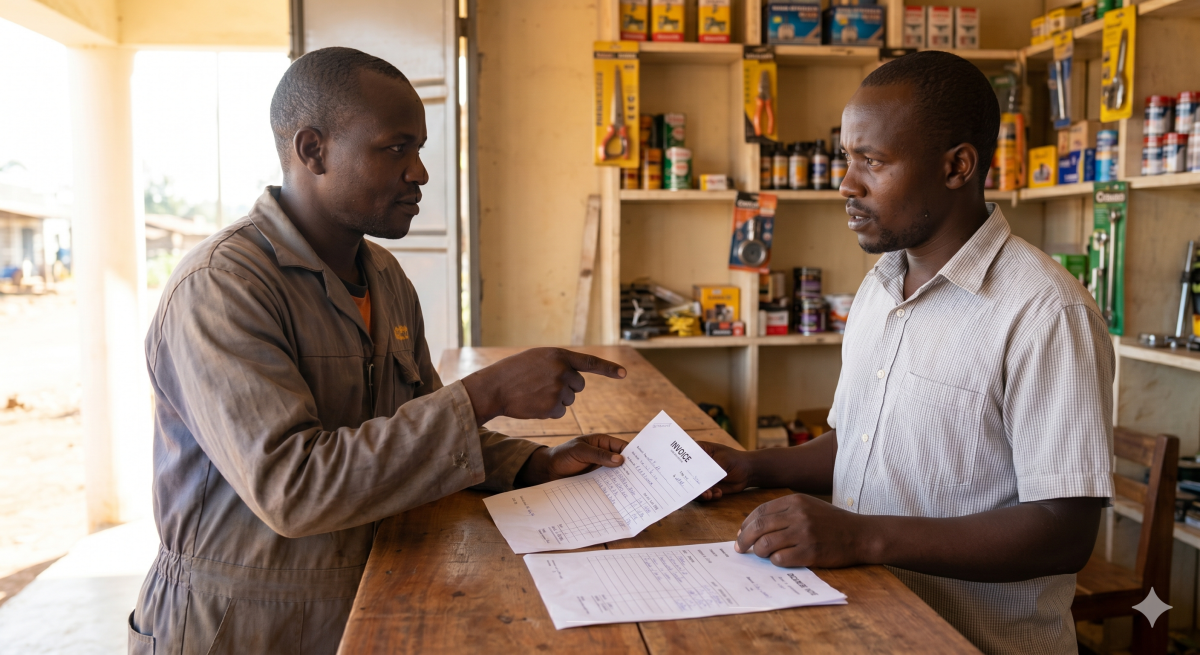
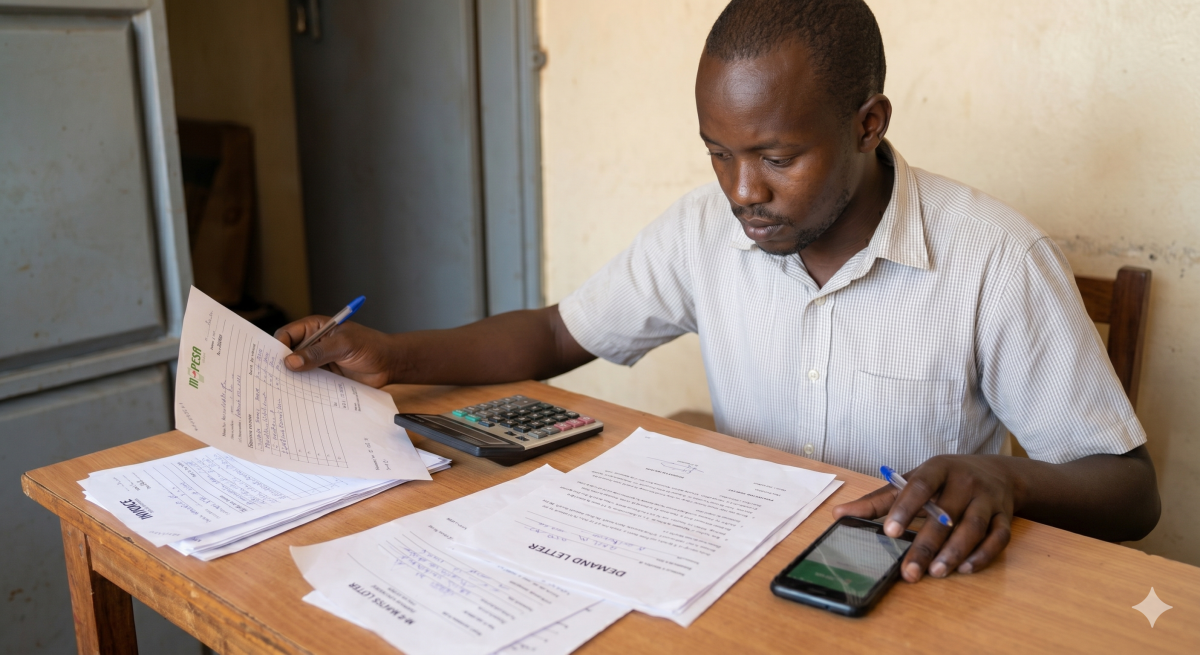
Before you file, the court expects you to have tried to resolve the matter first. This means sending a formal demand letter to the other party (ideally drafted by an advocate) giving them 14 to 21 days to respond or settle. If they ignore it, you are ready to file.
Filing fees are deliberately low. A claim below Ksh200,000 costs Ksh200 to file. A claim between Ksh200,000 and Ksh500,000 costs Ksh400.
Between Ksh500,000 and Ksh800,000, you pay Ksh600. For amounts above Ksh 800,000, the court determines the fee.
There are also small service fees – for instance, Ksh50 to certify a document.
What to bring and how the process unfolds
Gather your documents before you go.
You will need a copy of the demand letter you sent, proof it was delivered (a receipt of registered mail or a WhatsApp/email acknowledgement works), your national ID, the filled Statement of Claim form (Form SCC 1, available at the court registry), and any supporting evidence – contracts, M-Pesa records, receipts, delivery notes, or written agreements.
Take everything to the nearest small claims court registry, pay the filing fee, and the court will register your claim, assign a case number, and serve the respondent.
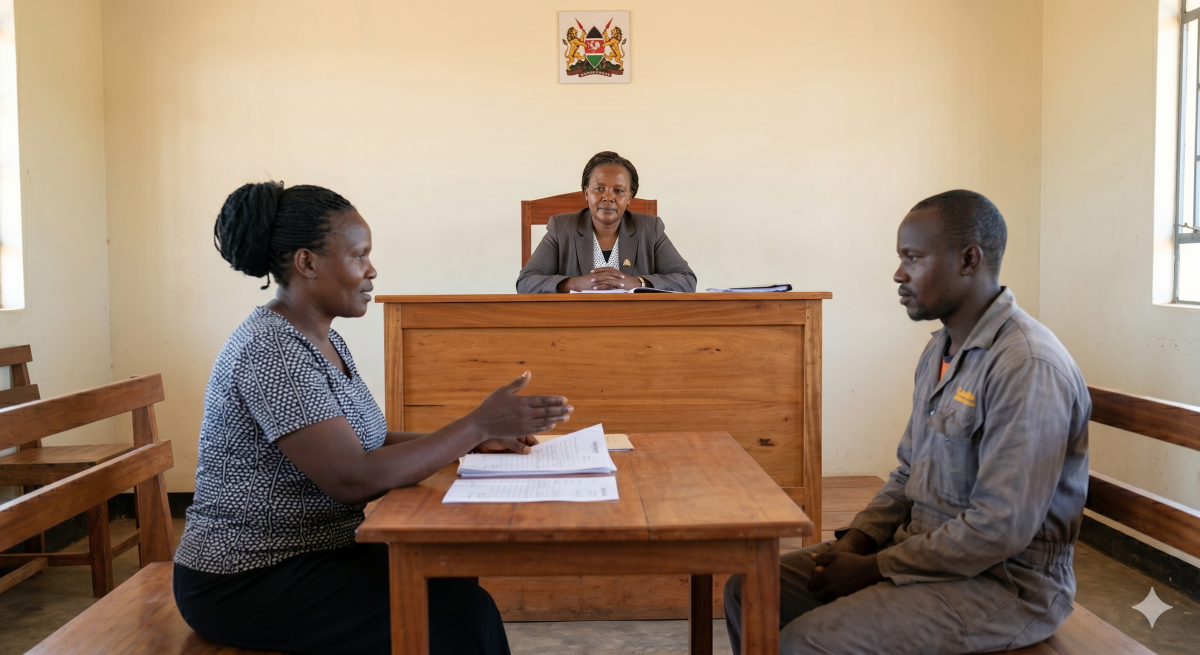
Both parties will be called to a hearing before a subordinate court adjudicator, not a judge. Strict rules of evidence do not apply; you can present your documents, tell your story clearly, and let the evidence speak.
If the court rules in your favour and the respondent still does not pay, you can apply for an execution order allowing a court officer to recover the money through attachment of assets or garnishment of a bank account.
Most Kenyans write off debts because the court feels distant and expensive. For claims under Ksh1 million, it is neither.