Advertisement
How to handle the awkward moment a friend asks for money
01st June, 2026 02:00 PM

It happens more often than anyone admits. A friend sends a text, pulls you aside after church, or calls late in the evening. The words are uncomfortable, but familiar: “I am in a bit of a difficult situation” They need money. And they are asking you.
Saying no to a friend in need can feel like a betrayal. Social pressure is real, and the lines between financial help and personal loyalty blur easily. But lending money between friends is more psychologically loaded than most people realise, and handling it badly can cost you more than cash.
A 2024 study published in the Journal of Consumer Psychology by researchers at the University of Oregon, UCLA, and Harvard looked at exactly this.
Across six studies surveying nearly 1,900 people, the researchers found that “lenders are angrier with borrowers who make hedonic (feel-good) purchases with loaned money than with borrowers who use the funds for practical needs,” and that these negative feelings persist even after the money has been fully repaid.
In short, once you lend, you do not stop caring how the money is spent. That emotional stake is where friendships get damaged.
Before you say yes, ask yourself one honest question
The most important thing you can do before responding is pause. Not to calculate interest, but to be honest with yourself: can you genuinely afford to give this money without expecting it back? Because that is really what lending to a friend often is – a gift with an optimistic label.

If saying yes means stretching your own budget, stressing your savings, or quietly resenting the person every time you see them post on Instagram, then the kindest answer for both of you is probably no. Saying no does not make you a bad friend. It makes you an honest one.
If you do decide to help, treat the moment with the seriousness of a financial decision. Agree on a specific repayment timeline – not “next month” but “by the 15th.” Keep it simple and verbal if you prefer, but make sure both of you are clear. Vagueness is where resentment breeds.
How to say no without ending the friendship
Declining a money request from a friend does not have to be a dramatic moment. The key is to be warm but direct. You do not owe a lengthy explanation, and you do not need to apologise profusely.
A simple, “I am not in a position to do that right now, but I hope you find a way through it” is enough.
Friendships typically operate as communal relationships, ones that are not built around keeping score of transactions.
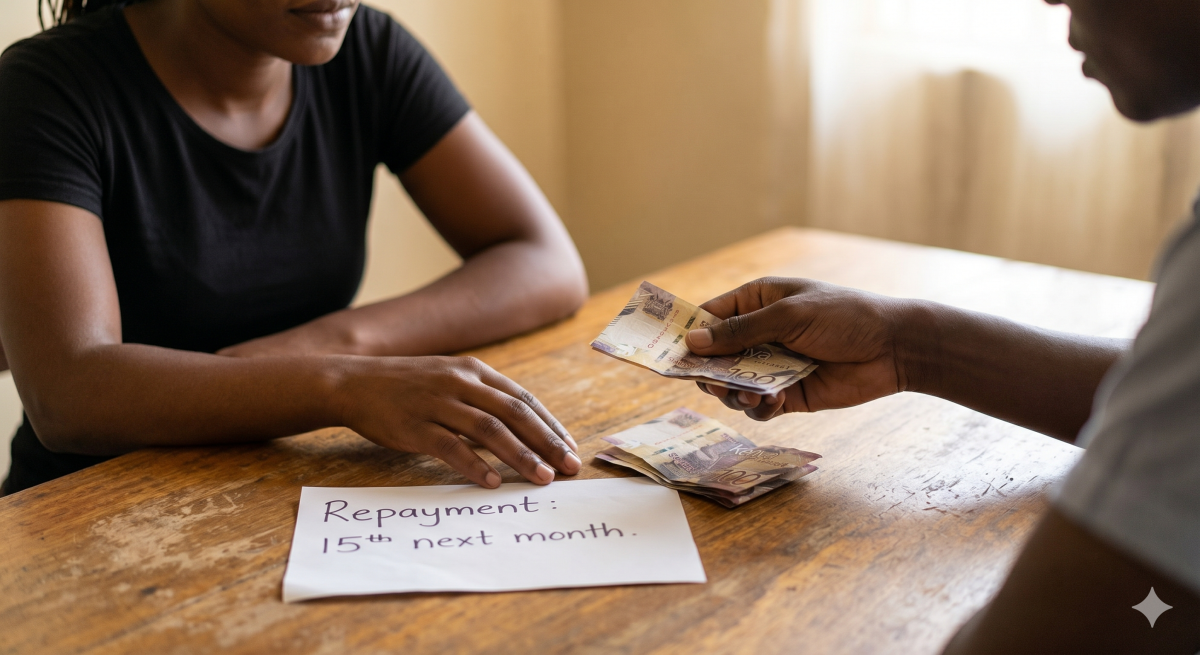
But when money enters the picture, the friendship temporarily begins to function like a business arrangement, and that collision of expectations is where things unravel.
Acknowledging that tension honestly, rather than ignoring it, is what protects the friendship. If a friend cannot respect a gentle no, that says more about the health of the friendship than your willingness to lend.
The awkward moment passes. What lingers is how you handled it.