How Kenyan families can save money during the August school holidays
By Dan Kauna, July 27, 2026The August school holidays are back, and every parent knows what that means. Kitchen cupboards empty twice as fast, cooking gas runs out quicker, and Term 3 school fees are already lurking around the corner.
Having the kids at home full time is great for family bonding, but it can put a heavy strain on your wallet if you do not plan early.
Fortunately, stretching your money over these few weeks is easy if you make a few small adjustments.
Smart kitchen tricks that cut food costs
Food usually takes up the biggest portion of the household budget when schools close. Extra tea breaks, constant requests for snacks, and full lunches mean everyday supplies disappear long before the month ends.
Buying non-perishable items like rice, beans, maize flour, and sugar in bulk from wholesale markets or main town hubs saves money compared to buying small daily quantities at local kiosks.
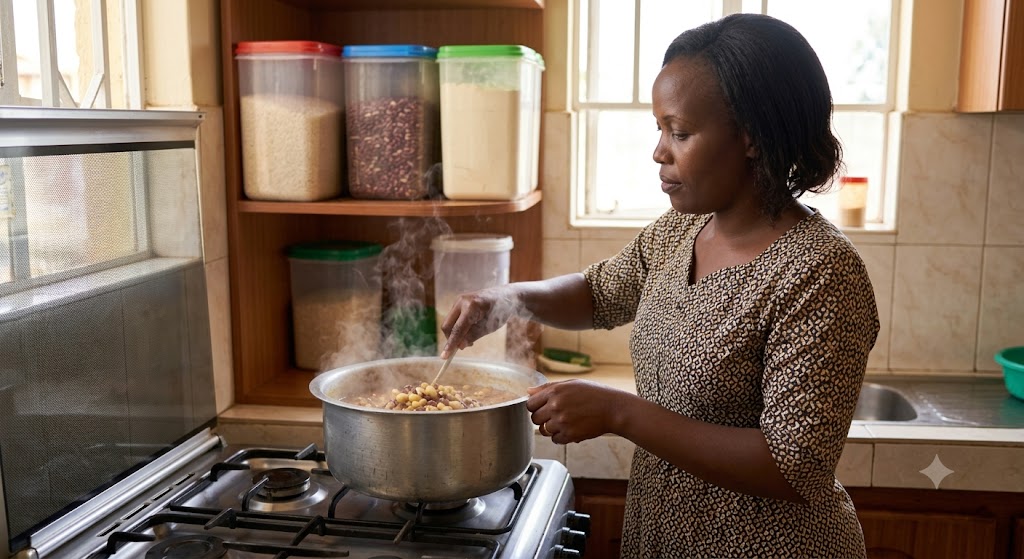
Batch cooking also makes a huge difference. Preparing large pots of staples like githeri, beans, or stew and keeping them in the fridge cuts down on cooking gas and saves daily market trips.
Swapping packaged shop snacks for simple homemade options like popcorn, mandazi, or boiled maize keeps children fed without breaking the bank.
According to research published in the KIPPRA Policy Brief, “households financing of direct education costs was estimated at 37 per cent,” showing just how much money families spend directly on school expenses.
Saving money on daily kitchen bills gives you extra breathing room for the September back-to-school rush.
Low-cost fun and early fee planning
Keeping children busy during the break does not mean spending money on expensive holiday camps or outings. Public libraries, community groups, and neighbourhood revision groups give children plenty to do at little to no cost.
For candidates preparing for national assessments like KPSEA later in the year, setting up a basic study timetable at home with past revision papers works just as well as paid tuition classes.
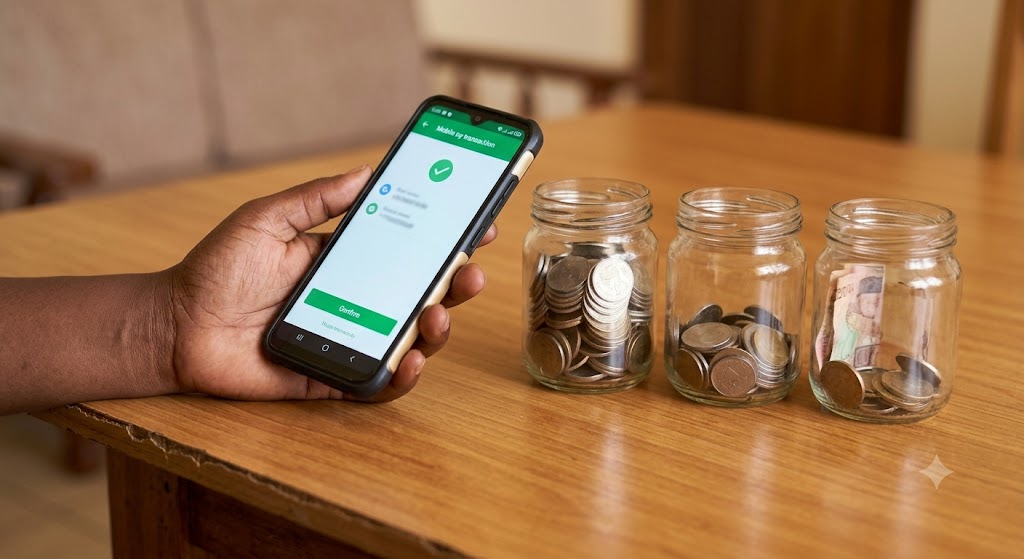
Finally, saving small amounts every day into a separate mobile money wallet helps ease the Term 3 fee shock. Setting aside even Ksh200 or Ksh500 every few days builds a helpful cushion for shoes, books, and uniforms before prices jump right before schools reopen in September 2026.
Taking these simple steps early helps you protect your pocket while enjoying time with family.