Guide to building a pension if you’re self-employed in Kenya
By Dan Kauna, June 11, 2026Most Kenyans who work for themselves – the freelancer, the small trader, the consultant, the bodaboda operator, have never had an employer make a pension contribution on their behalf.
Research by the Kenya Institute for Public Policy Research and Analysis (KIPPRA) found that “informal sector workers are often excluded from these programmes, leaving them unprotected after retirement and dependent on family or personal savings.”
With 83.6 per cent of Kenya’s workforce in the informal economy, according to the KNBS Economic Survey 2025, that is tens of millions of people building careers with no safety net in sight.
The good news is that the safety net exists.
The accounts you can open today
The most accessible starting point is the NSSF voluntary membership. Self-employed Kenyans can register directly with the National Social Security Fund and contribute Tier I (Ksh400 per month) or Tier II amounts on their own schedule. It’s a low floor but it compounds over decades.
For anyone who can set aside more, individual pension plans allow you to open a personal retirement account with contributions from as little as Ksh500 a month.
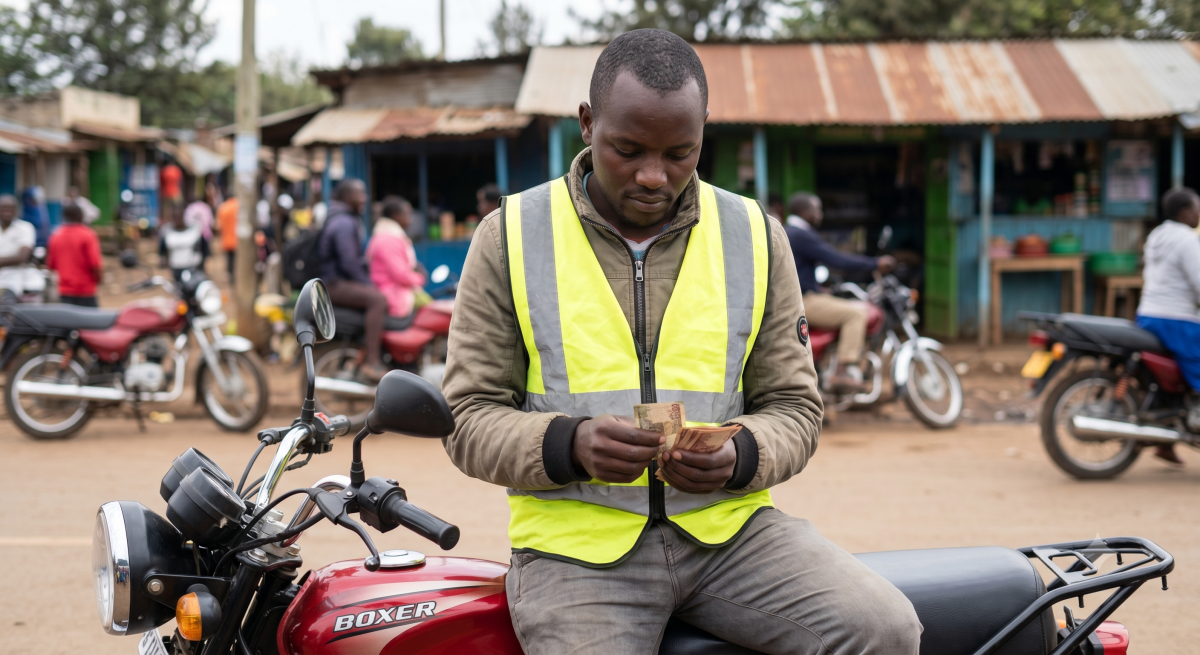
Your contributions attract a tax relief of up to Ksh20,000 per month (Ksh240,000 per year) under the Income Tax Act – a financial incentive that employed Kenyans already take for granted.
Unit trust retirement products work similarly, pooling your money into diversified investments. Many have no minimum balance requirement, and because they’re regulated by the Capital Markets Authority, your money is protected.
If you belong to a SACCO, check whether it runs a retirement product.

Several SACCOs now operate dedicated retirement savings arms, and the combination of dividends and long-term compounding can produce meaningful income at retirement.
Finally, the government’s KNEST (Kenya National Entrepreneurs Savings Trust) was specifically designed for informal sector workers. A portion of contributions (70 per cent) is locked in for long-term retirement while 30 per cent remains accessible.
What you actually need to contribute
A rough target: financial planners typically suggest that to retire on Ksh50,000 a month, you need a pension pot of approximately Ksh15 million at retirement (assuming a 4 per cent drawdown rate).

Contributing Ksh5,000 a month from age 30 into a fund earning 10 per cent annually gets you close to that figure by 60.
The sooner you start, the smaller the monthly sacrifice. A Ksh2,000 monthly contribution starting at 25 will, at the same return rate, outperform a Ksh5,000 contribution starting at 40.