5 signs you’re living beyond your means, even if you’re not in debt
By Dan Kauna, September 27, 2026You might pay your rent on time and keep credit collectors away; however, living within your means involves far more than just staying out of debt.
Subtle daily habits can quietly pull your personal finances off balance long before major money trouble arrives. Recognising these early warning indicators gives you time to make adjustments before a financial crisis hits your household.
1. Your emergency fund stays at zero
Having no rainy-day savings leaves you completely vulnerable to unexpected costs like a sudden medical bill or vehicle repair.
A peer-reviewed study in the Journal of Consumer Affairs points out that “emergency savings, when present, serve as a buffer against unexpected economic shocks”.
When every single shilling from your monthly income goes directly into daily running expenses, your current lifestyle is taking up all your financial breathing room.
2. You rely on mobile loans for daily small purchases
Tapping short-term mobile lending apps or digital credit facilities to cover basic items like groceries, fuel, or airtime before payday is a quiet indicator of overspending.
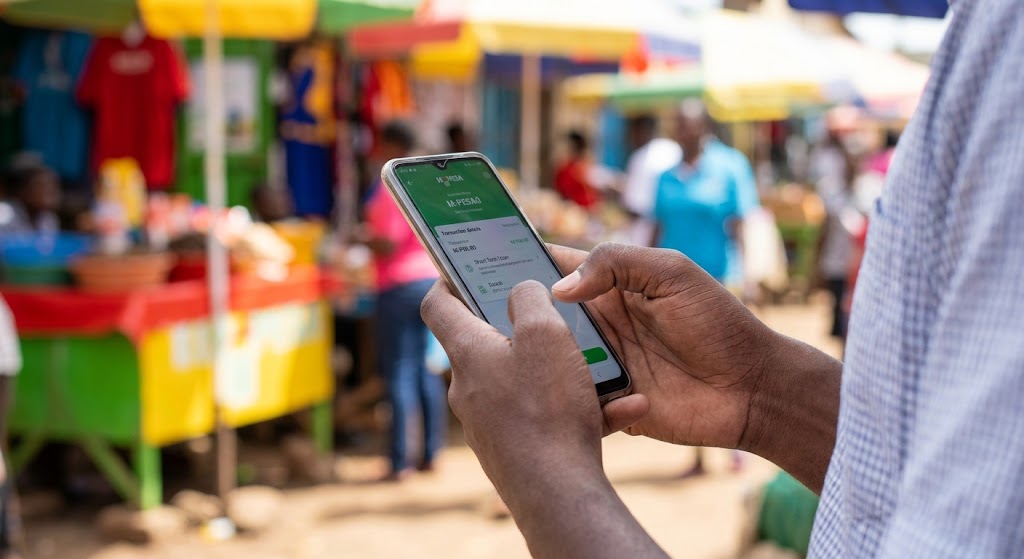
If your regular salary cannot handle routine household expenses without borrowing Ksh1,000 or Ksh2,000 to bridge the gap, your monthly cash flow requires urgent restructuring.
3. Every salary increase disappears into upgrades
When your income grows through a job promotion, wage review, or side hustle, your fixed living costs should not automatically rise to match it.
Upgrading your housing, daily dining choices, or personal gadgets the moment you earn extra cash is known as lifestyle inflation.
If your savings rate remains flat despite higher earnings, your spending is expanding faster than your actual financial capacity.
4. You hesitate to check your bank account balance
Avoiding your mobile banking app because you dread seeing a low balance is a clear signal that your spending has slipped past your comfort zone.

When you guess how much cash you have left in your account instead of checking exact numbers, you quickly lose control over everyday purchases.
5. Saving is a leftover idea instead of a priority
If you only attempt to save whatever money remains at the end of the month, you usually end up with zero set aside.
Treating savings as an optional leftover rather than an automatic transfer on payday means your daily lifestyle is quietly swallowing funds intended for your long-term security.
Spotting these subtle signs early allows you to regain control of your money before small habits turn into heavy burdens.