10 profitable businesses you can start with Ksh25K Nyota Fund
By Valerian Khakayi, July 6, 2026With unemployment remaining a major challenge in Kenya, many young people are turning to self-employment as a way of earning a living.
From roadside food vendors and mitumba traders to mama mboga and cereal sellers, thousands of Kenyans are proving that you do not need a huge amount of capital to start a profitable business.
The conversation has gained fresh attention after President William Ruto announced that 122,000 Kenyans will each receive Ksh25,000 under the second tranche of the Nyota Programme‘s business support component.
“With the launch of the Ksh3 billion second tranche of the business support component for the 122,000 beneficiaries, each beneficiary will receive Ksh25,000. In addition to a similar amount they had received earlier in the year, each beneficiary will have received a total of KSh50,000,” Ruto announced.
The funding is intended to help beneficiaries start or grow businesses, making it an opportunity for many first-time entrepreneurs.
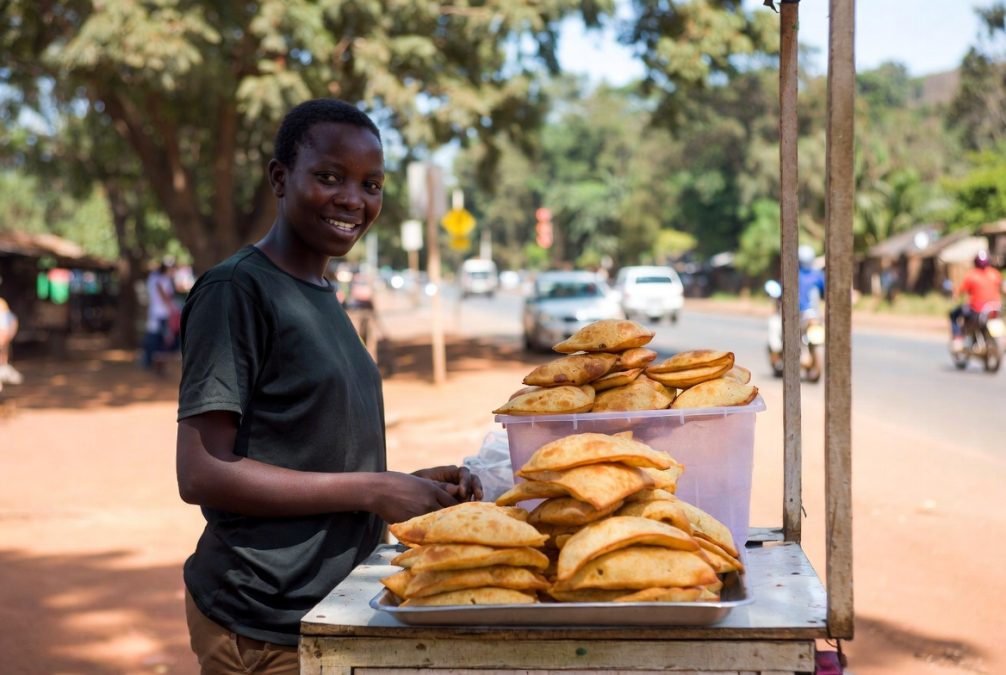
If you are wondering how to invest the money wisely, here are 10 practical businesses that can be started with around Ksh25,000.
- Mama mboga business
Selling vegetables is one of the easiest businesses to start because every household buys fresh produce daily. With Ksh25,000, you can purchase stock from wholesale markets, buy weighing scales and set up a small stall in your neighbourhood.
Fresh stock and good customer service can help you build loyal customers.
- Mitumba clothes business
Mitumba remains one of Kenya’s most profitable small businesses.
You can buy quality stock from wholesale markets and sell through social media or at open-air markets. Fashion trends change quickly, creating repeat customers throughout the year.
- Smokie, egg and samosa business
A smokie and egg business requires relatively little capital and has a ready market.
Setting up near schools, bus stages, colleges or busy shopping centres can help generate daily income as many people look for affordable snacks and quick meals.
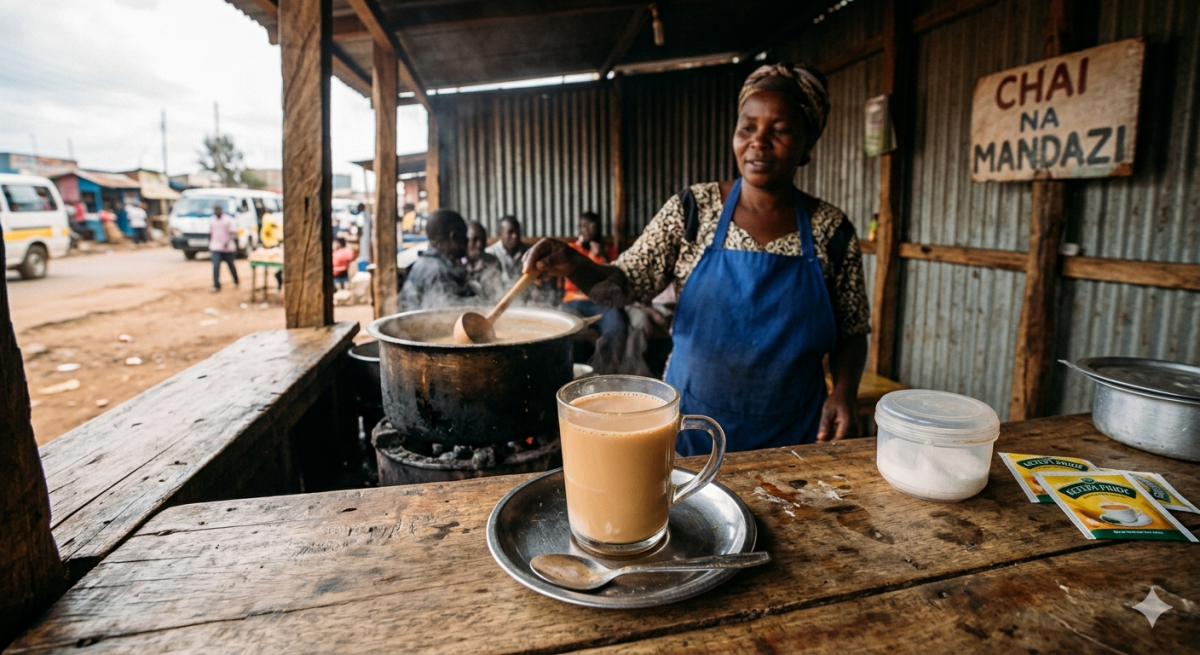
- Mandazi and tea business
Fresh mandazi sold in the morning rarely lacks customers. If you enjoy baking, you can prepare mandazi from home and sell them alongside tea near schools, construction sites or bus stops.
Your capital can cover ingredients, cooking equipment, flasks and packaging materials.
This business offers good profit margins when sales are consistent.
- Ice cream and barafu business
Selling ice cream and flavoured barafu (ice pops) is a popular business, especially during hot weather.
Many vendors make daily sales by walking through busy streets or selling outside school gates, churches, playgrounds and during public events and social functions.
With a cooler box, initial stock and consistent movement to high-traffic areas, the business can generate regular income.
- Cereal business
Selling beans, rice, green grams, maize and groundnuts is another business with steady demand.
Starting small allows you to grow gradually while serving customers in your local community.
- Fruit business
Fresh fruits are in demand throughout the year.
Whether you sell bananas, oranges, mangoes or pineapples, a clean display and strategic location can help attract customers looking for healthy snacks.
- Second-hand shoes business
Affordable footwear is always in demand.
You can source second-hand shoes from wholesalers and sell them both physically and online through Facebook, WhatsApp and TikTok.

- Homemade detergents
Producing and selling liquid soap, bleach and toilet cleaners requires modest capital and can be done from home.
You can supply homes, salons, barbershops and small businesses within your area.
- Chapati business
Chapati remains one of Kenya’s favourite foods. You can prepare them from home and sell them in estates, outside schools or near workplaces.
As demand grows, you can expand by opening a small hotel or kiosk where you can be cooking other foods like beans and ndengu.
Start small and grow
Whichever business you choose, the key is to start with a clear plan, avoid unnecessary spending and reinvest your profits.
Many successful entrepreneurs began with modest capital, and with consistency and proper money management, Ksh25,000 can become the foundation of a thriving business.