Westgate attack 13 years later: Understanding mental health effects of surviving a terrorist scare
By Katemarthason Okudo, September 21, 2026Thirteen years ago, on September 21, 2013, what began as an ordinary Saturday at Nairobi’s Westgate shopping mall turned into one of Kenya’s most painful moments.
Armed militants stormed the mall and attacked shoppers, workers, and other people inside the building. The attack lasted for several days and left 67 people dead, while hundreds of others were injured. Thirteen years later, the anniversary remains a reminder not only of those who lost their lives, but also of the people who survived and had to live with the memories of what happened.
For some survivors, leaving the building did not mean leaving the experience behind.
When the danger is over but the fear remains
Surviving a traumatic event can affect a person long after the immediate danger has passed.
A survivor may continue to feel unsafe in places that once felt ordinary. Shopping malls, crowded spaces, loud noises, sirens or even the sound of gunfire in a film can bring back memories of the attack.
According to the World Health Organisation (WHO), people who experience traumatic events can develop symptoms such as unwanted memories, nightmares, avoidance of reminders of the event, and a heightened sense of danger. Some people may become easily startled or constantly scan their surroundings for possible threats.
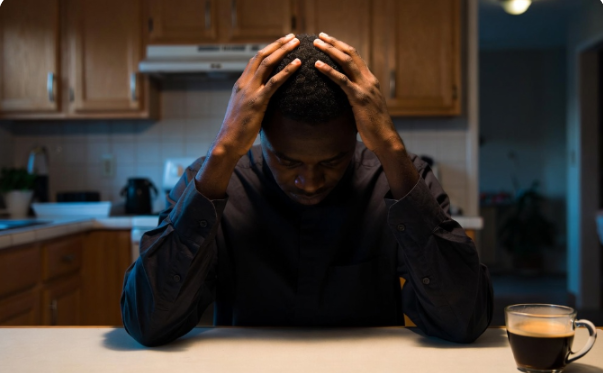
These reactions do not necessarily mean that someone has post-traumatic stress disorder (PTSD). WHO notes that distress after a traumatic event is common, and many people recover naturally with time. However, for some, symptoms can continue for months or even years and interfere with everyday life.
The impact can affect everyday routines
Mental health effects can sometimes appear in simple parts of daily life.
A survivor may struggle to enter a busy building, sit with their back to an open space, or remain in a crowded room. Others may avoid discussing the attack because talking about it brings back painful memories.
Sleep can also be affected. Nightmares, difficulty falling asleep, and waking suddenly can make it harder for someone to feel rested.
There can also be emotional changes. A person may experience anxiety, sadness, irritability, or a constant feeling that something bad could happen.
The effects can extend beyond the survivor. Family members may notice changes in behaviour without immediately understanding where they are coming from. This can sometimes make recovery more difficult when the person feels pressured to simply move on.
Recovery does not follow a fixed timeline
Thirteen years after an attack, there is no particular point at which a survivor is expected to have completely forgotten what happened.
Some people may recover relatively quickly, while others may continue experiencing certain symptoms years later. Anniversaries can also bring memories back, particularly when the event receives renewed public attention.
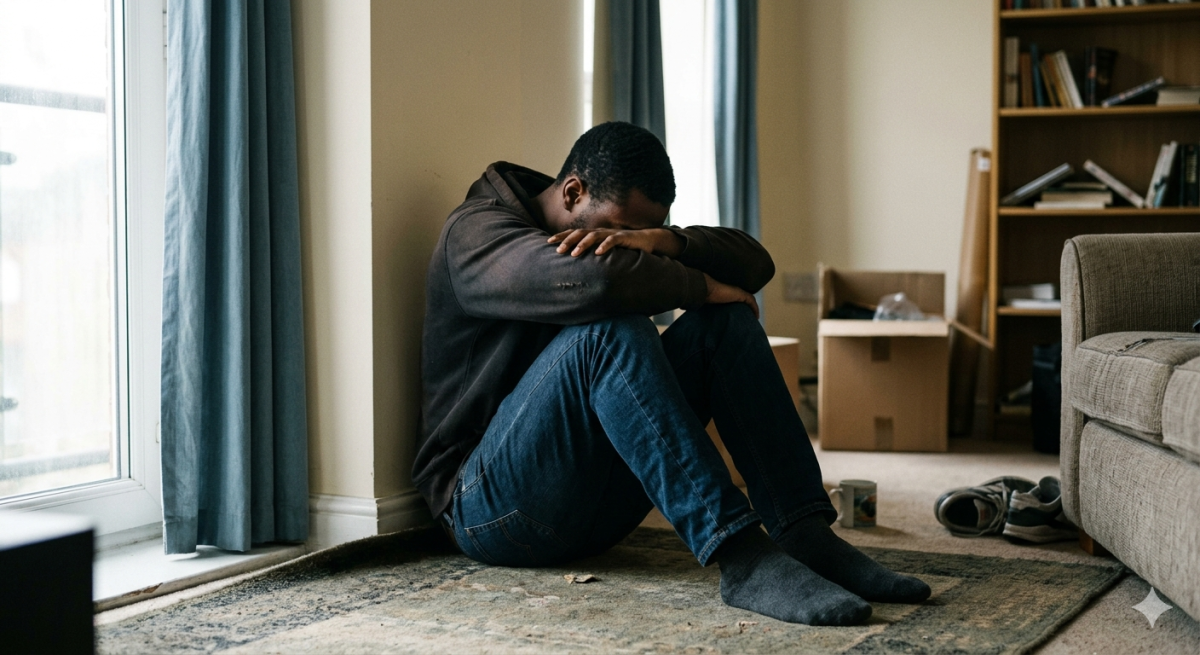
According to the WHO, effective treatments are available for PTSD. Trauma-focused psychological therapies, including certain forms of cognitive behavioural therapy and eye movement desensitisation and reprocessing (EMDR), can help people manage traumatic memories and reduce symptoms.
Support from family and friends can also play an important role. Listening without forcing someone to talk, being patient and recognising that recovery takes time can make a difference.
Remembering the survivors
The 13th anniversary of the Westgate attack is therefore not only about remembering those who died. It is also an opportunity to recognise the less visible effects carried by people who survived.
A person can walk away from a traumatic event without visible injuries and still carry emotional scars.
Understanding this can help reduce the pressure placed on survivors to appear completely unaffected simply because many years have passed. For some, healing may involve professional support, while for others it may involve rebuilding a sense of safety gradually and returning to activities they once avoided.