Trump booed! What heckling does to the brain and why even powerful leaders struggle with it
By David Nthua, June 9, 2026When the United States President Donald Trump set foot in New York City to attend Game 3 of the NBA Finals at Madison Square Garden on Monday, June 8, 2026, he was not fully aware of what awaited him.
Just like any other attendee, the President hoped to enjoy one of the biggest sporting events in America. Instead, he found himself at the centre of a moment that quickly spread across television screens, social media platforms and international headlines.
As the national anthem played and cameras focused on Trump inside Madison Square Garden, sections of the crowd erupted into boos and jeers.
The reaction came during his appearance on the arena’s giant screens, making him the first sitting United States president to attend an NBA Finals game.
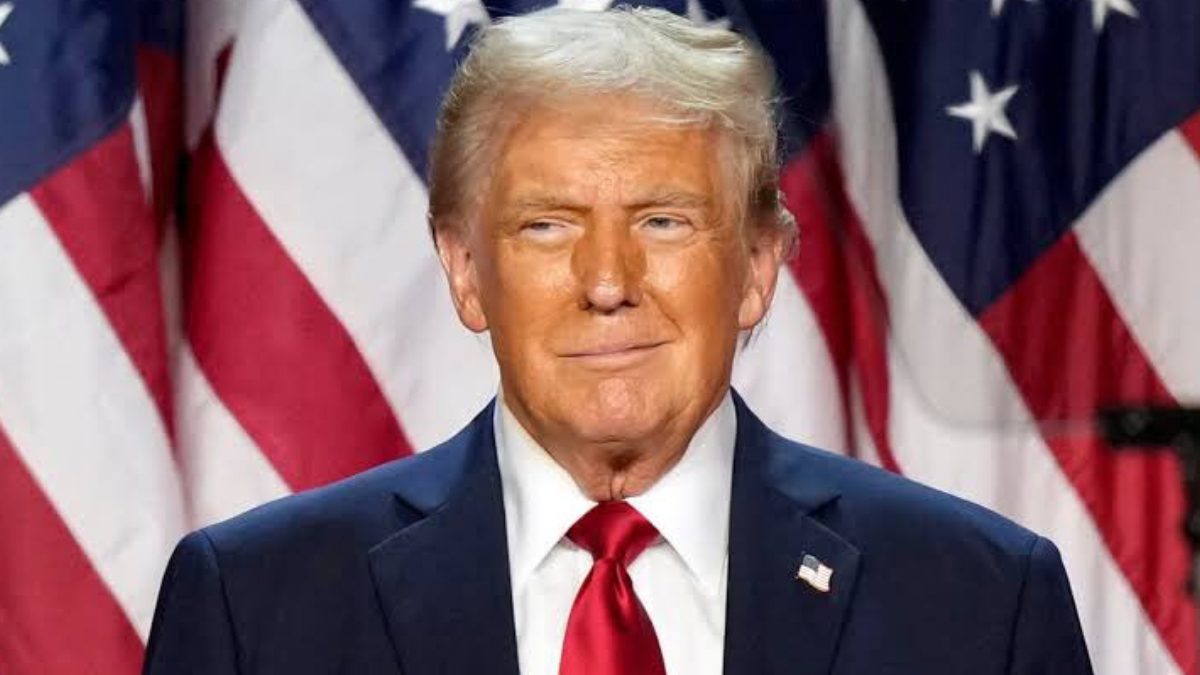
Reports from the arena indicated that chants and applause were mixed with loud booing as fans reacted to his presence.
After the game, Trump appeared unfazed by the incident, telling reporters that what he heard was “mostly cheers” and describing the atmosphere as enthusiastic.
But what exactly happens inside the human brain when someone is heckled, mocked or publicly rejected?
Why the brain treats heckling as a threat
Neuroscientists have long observed that the human brain does not always distinguish between physical threats and social threats.
Thousands of years ago, being rejected by a tribe could reduce a person’s chances of survival.
As a result, the brain evolved to become highly sensitive to social approval and disapproval.
When a crowd boos, laughs at or rejects someone publicly, the brain often interprets the experience as a threat to social standing.
The result is a rapid activation of stress response systems designed to protect the individual from danger.
The hidden role of the amygdala
One of the first brain regions involved is the amygdala.
The amygdala acts as an emotional alarm system. It constantly scans the environment for signs of danger.
When someone is heckled in public, the amygdala may interpret the negative reaction as a warning signal.
This can trigger a cascade of physiological changes, including:
- Increased heart rate
- Faster breathing
- Muscle tension
- Heightened alertness
- Release of stress hormones
The body essentially prepares for conflict even when no physical danger exists.
Why public humiliation feels physically painful
Researchers have found that social rejection activates some of the same neural networks associated with physical pain.
This helps explain why people often describe public embarrassment using physical terms such as:
- “That hurt.”
- “I felt crushed.”
- “It was painful.”
The brain treats social exclusion as a serious event because human beings are fundamentally social creatures.
Whether the person is a student in a classroom, an employee in a meeting or a president inside a packed arena, the underlying neurological processes remain remarkably similar.
Why crowds make heckling more powerful
A single critic can be ignored.
A crowd is different.
Psychologists describe crowds as powerful amplifiers of emotion. When thousands of people react simultaneously, the brain perceives the event as carrying greater social significance.
This is why athletes, entertainers, politicians and public speakers often describe large scale booing as far more intense than criticism from one individual.
Crowds create the feeling that an entire group is passing judgement at the same time.
How Trump reacted
Following the game, Trump downplayed the boos and insisted that the crowd reaction was largely positive.
Observers noted that he did not appear visibly rattled and continued engaging with reporters after leaving Madison Square Garden.
Whether this reflected genuine confidence, emotional control or a personal interpretation of events is impossible to determine from the outside.
However, psychologists note that reframing criticism is one of the most common coping mechanisms used by public figures.