Samia Suluhu: The burden of grieving while leading a nation of 72 million people
By Katemarthason Okudo, September 8, 2026For President Samia Suluhu Hassan, the death of her husband Hafidh Ameir Hassan has brought a deeply personal loss at a time when the responsibilities of leading Tanzania cannot simply be put on hold.
Hafidh died on Monday, September 7, 2026, at about 8 am at Emilio Mzena Memorial Hospital in Zanzibar, where he had been receiving treatment for a heart condition. His death was announced by Tanzania’s Vice President Deogratius Ndejembi.
He was later buried the same day in Kizimkazi, Zanzibar, following Muslim funeral rites. For Samia, however, the end of the funeral does not mean the end of grief.
When grief meets responsibility
Losing a spouse can leave a person dealing with sadness, shock, loneliness and uncertainty about life after the loss. But for a sitting president, there is another reality: millions of people still look to them for leadership.
Tanzania has a population of more than 72 million people. While Samia mourns her husband, government business continues, national decisions still have to be made, and the expectations attached to the presidency remain.
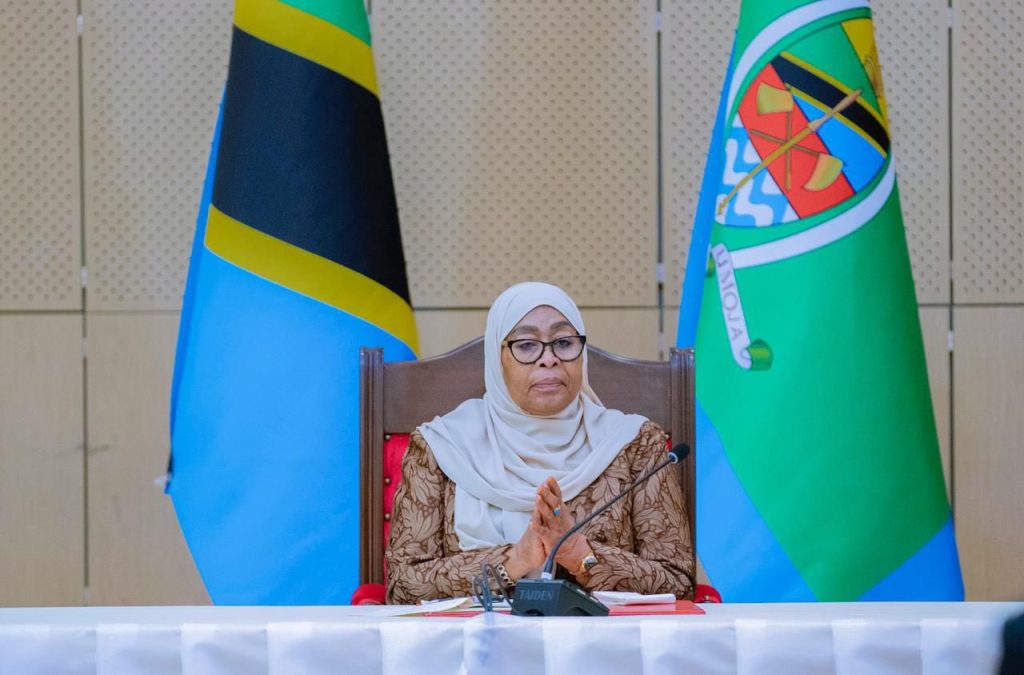
This creates a difficult situation in which personal emotions have to exist alongside public responsibility.
A president may need time to process a loss, yet the office can demand appearances, meetings, decisions, and communication with the public. The person grieving therefore has very little opportunity to completely step away from the world around them.
The pressure to appear strong
Public figures are often expected to remain composed during difficult moments. For a president, that expectation can be even greater. There can be pressure to speak, attend official functions or reassure citizens even when the person is experiencing profound sadness privately.
But grief does not follow an official schedule. According to the World Health Organization, there is no single right or wrong way to grieve. Some people may cry openly, while others may become quiet or appear emotionally composed. The organisation also notes that grief can have both mental and physical effects.
This means that appearing calm in public should not necessarily be interpreted as an absence of pain.
Why support matters
For someone carrying such a public responsibility, having people around them who allow them to grieve without judgement can be important. Family, close friends, colleagues and trusted advisers can provide emotional and practical support while the bereaved person gradually adjusts to life after the loss.
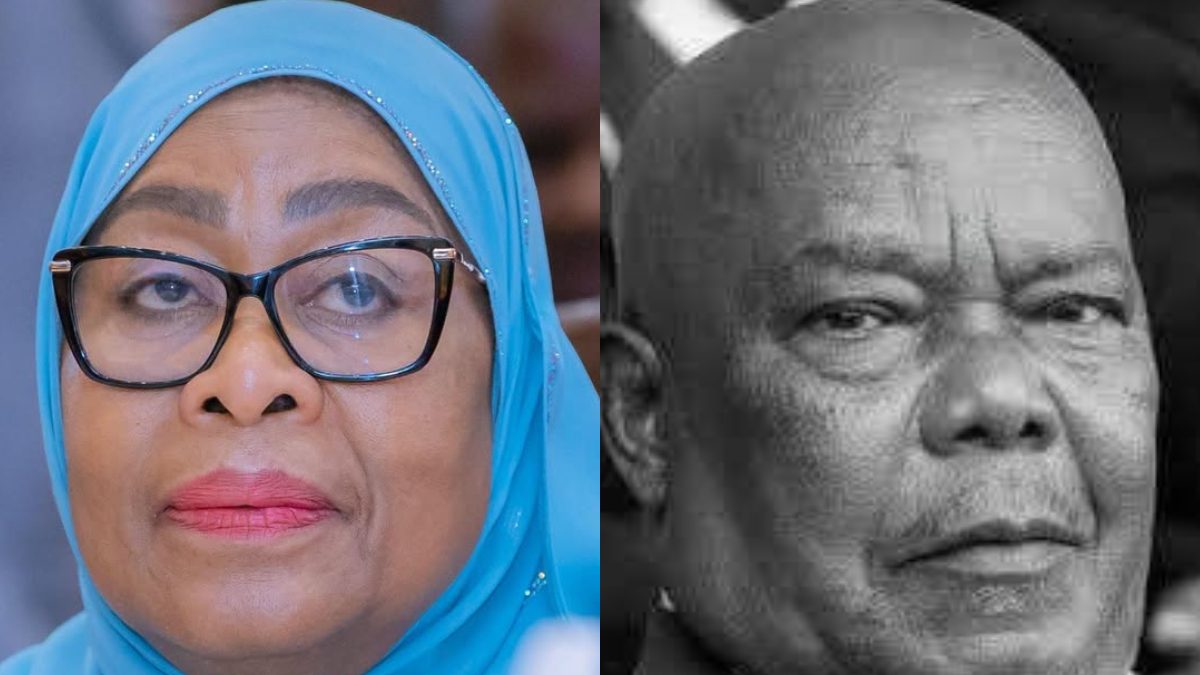
WHO recommends listening to people experiencing major loss, addressing their social needs and helping them remain connected to family and other forms of support.
For Samia, that support may be particularly important because her grief is unfolding in full public view.
A president is also a grieving human being
The presidency can make it easy to see a leader only through their position. But behind the office is a person who has experienced the death of someone close to them.
Samia’s situation highlights a difficult reality of leadership: the country may need its leader even when the leader needs time to grieve.
There is no indication that grief disappears simply because someone occupies a powerful office. Instead, the challenge is finding space to mourn while continuing with responsibilities that affect millions of people.
As Tanzania mourns Hafidh Ameir Hassan, the attention should therefore not only be on the funeral or the official condolences. It is also on the human being at the centre of the loss, a wife grieving her husband while carrying the weight of leading a nation.