Advertisement
How to protect yourself from World Cup tournament grief
10th June, 2026 08:04 PM
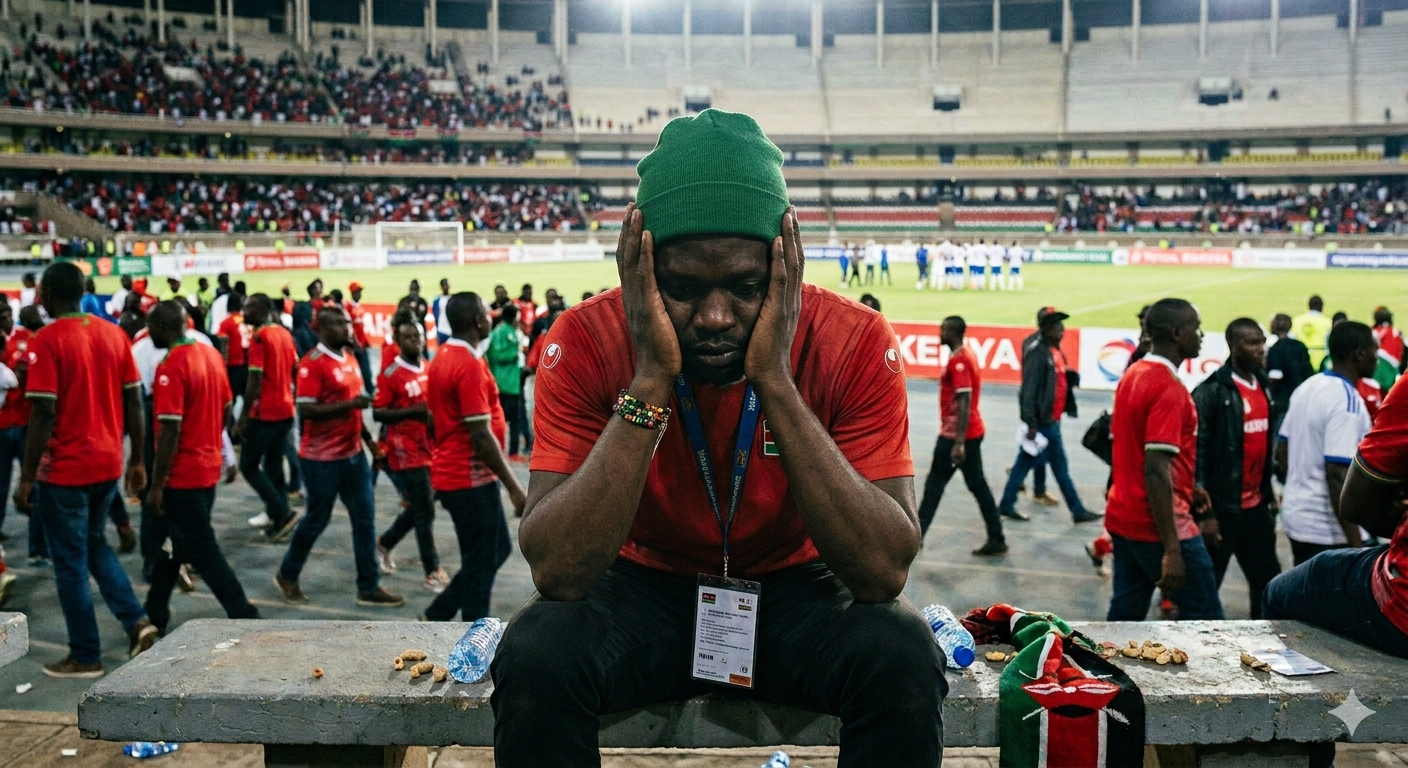
The World Cup isn’t just a football tournament.
For millions of fans, it is four weeks of hope, anxiety, collective prayer and, for most, a sharp ending.
When your team gets knocked out, the heaviness that follows is not dramatic. It’s real, and science has a name for it.
What happens in your body when the final whistle blows
The moment a tournament exit is confirmed, your brain reads it as a threat, not just a disappointment. Your body releases cortisol, the same stress hormone triggered by physical danger.
A 2020 study published in the peer-reviewed journal Stress and Health tracked fans watching Brazil’s matches during the 2014 FIFA World Cup, including the infamous 7-1 semi-final loss to Germany.
The researchers found that watching a loss was associated with particularly high cortisol concentrations, and that identity fusion, where a fan’s personal and group identities merge into a visceral sense of “oneness” with the team, modulated physiological reactivity during stressful events.
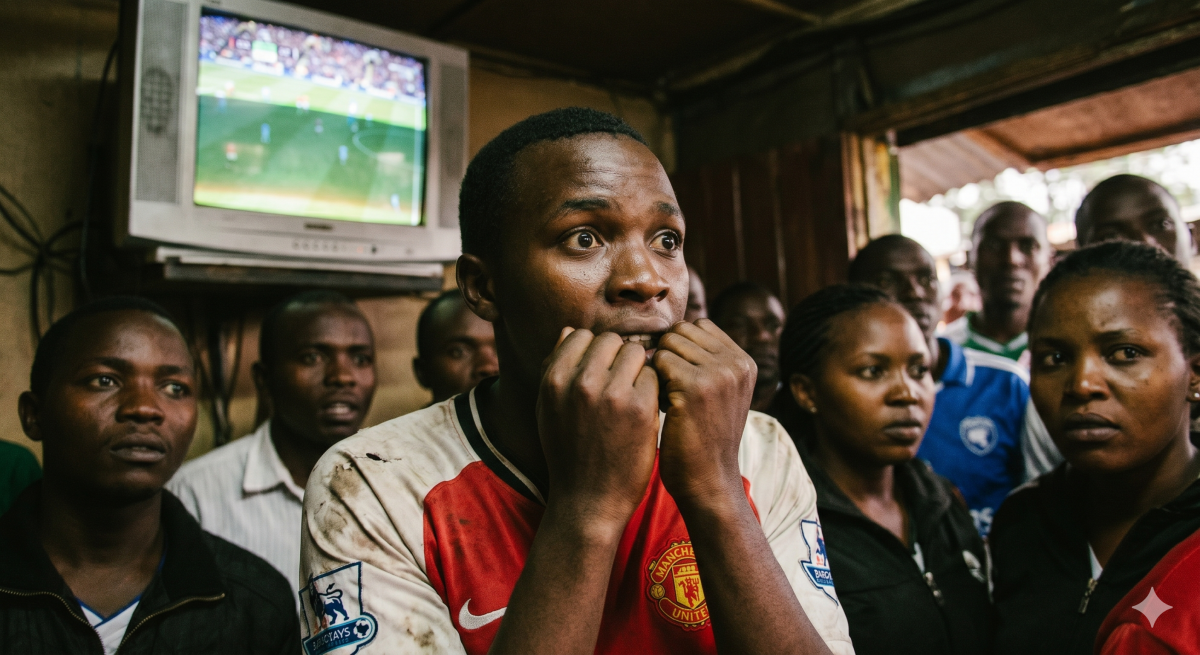
In plain terms: the more you identify with your team, the harder your body takes the loss.
This is not weakness. It is how social identity works. When you support a team, their wins feel like your wins. Their exit, then, feels like yours too.
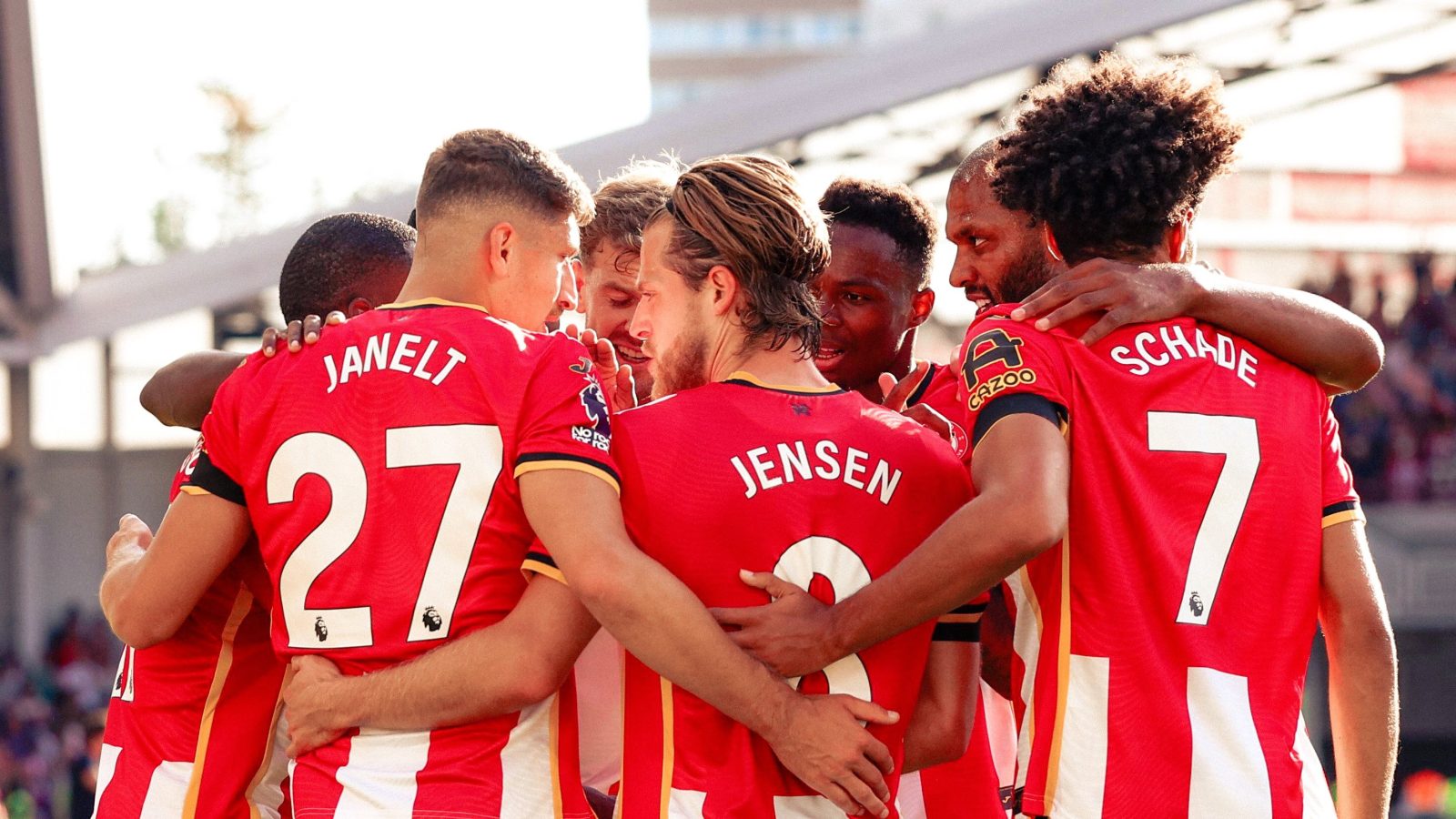
The grief can move through recognisable stages: shock, anger, bargaining (“we should have won on penalties”), sadness, and eventually acceptance.
Some fans loop between them for days.
How to actually recover
The good news is that tournament grief is temporary, and there are specific habits that help it move faster.
Talk about it. Not to vent endlessly, but to process. Saying “I am genuinely gutted” out loud to another fan who gets it is emotionally grounding. Shared grief moves quicker than private grief.
Step away from the highlight reels. Social media after an elimination is a loop of the worst moments. Watching the goal that knocked you out ten times does not help you heal. Give yourself a day or two before re-engaging.
Return to routine. Sleep, food, exercise. Cortisol drops when the body returns to its normal rhythm. A walk, a workout, even cooking a meal you enjoy, resets the nervous system faster than you might expect.
Watch other matches. The tournament is still on. Neutral football, with no emotional stakes, lets you enjoy the sport again without the grief attached to your team.
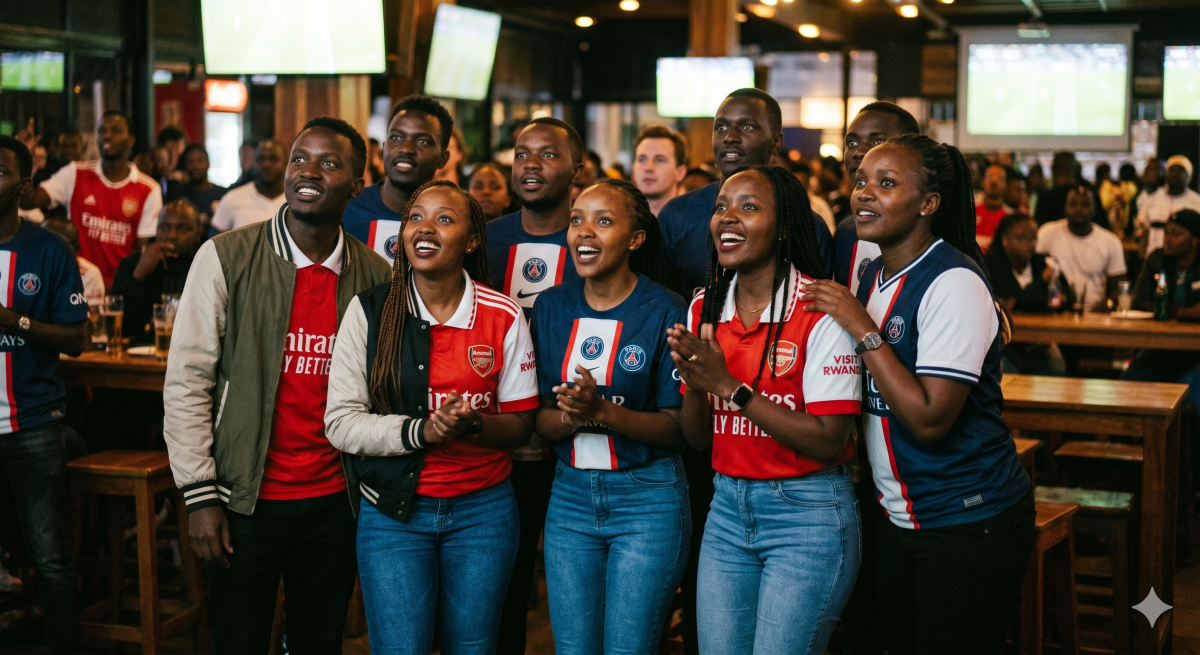
Give it time, not just distraction. The instinct to immediately distract yourself can delay processing. Feeling the disappointment fully for a day is healthier than pretending it did not happen.
Most fans are through the worst of it within 72 hours. If the low is persisting longer, affecting sleep or mood significantly, it may be worth talking to someone. But for most, it is grief doing what grief does, working its way through.
Your team will be back. So will you.