Advertisement
Meaning behind Mother’s Day and why they deserve more than one special celebration
08th May, 2026 09:58 AM
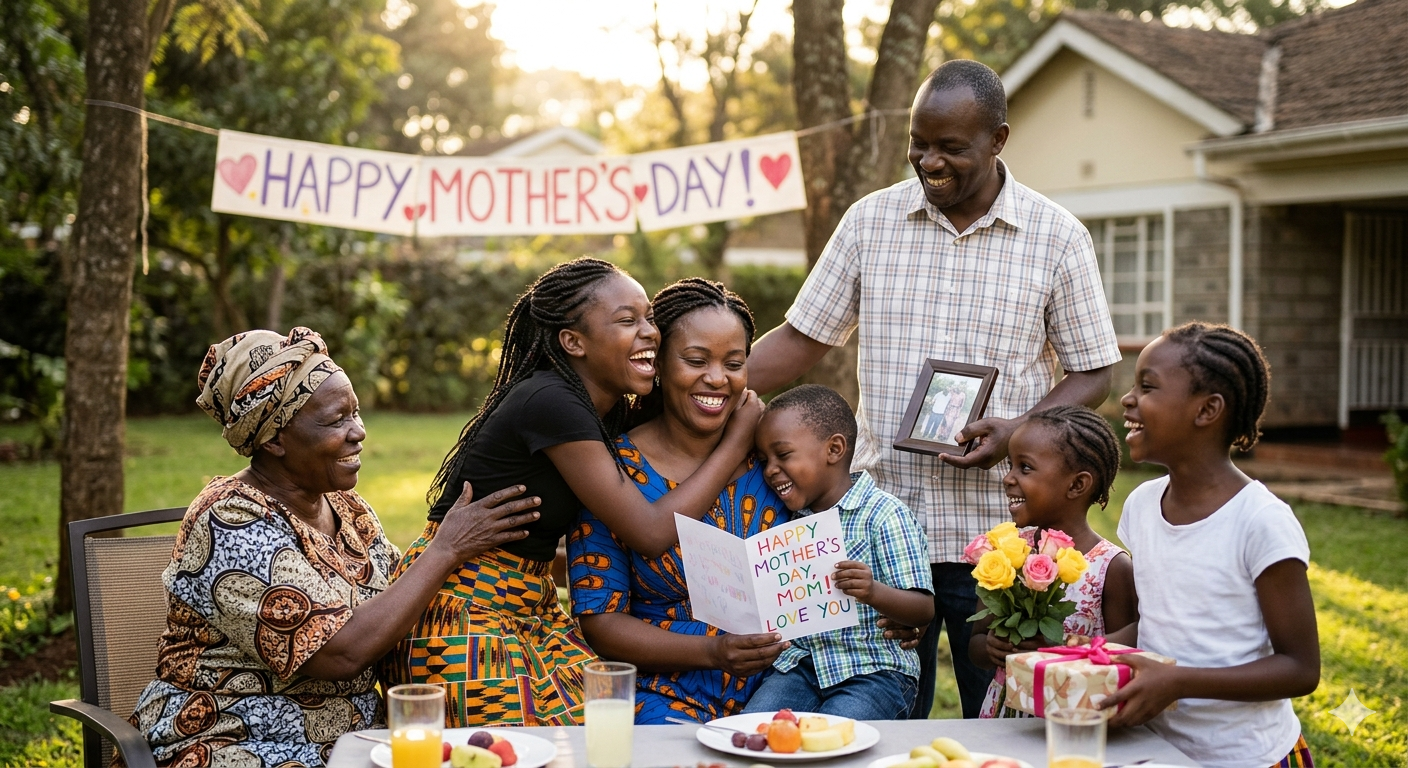
Every year, millions of families across the world set aside one day to celebrate mothers. Restaurants become fully booked, flower shops get busy and social media fills with emotional messages, old photos and appreciation posts.
This year, Mother’s Day will be marked on Sunday, May 10, 2026, with many families planning different ways to honour the women who have shaped their lives.
But behind the flowers, gifts and celebrations lies a deeper meaning that many people rarely stop to think about. Mother’s Day is not just about buying presents. It is about recognising the sacrifices, emotional support and silent responsibilities that mothers carry every single day.
The history
According to the History Channel and Encyclopaedia Britannica, the modern version of Mother’s Day began in the United States in the early 1900s. A woman started a campaign to create a special day to honour mothers after seeing the role women played in caring for families and communities. The idea later spread to many countries around the world, including Kenya, where the celebration has become more popular over the years.
In many Kenyan homes, mothers are often the first people to wake up and the last to rest. They prepare meals, take children to school, handle family problems, manage finances, comfort relatives during difficult moments, and still find ways to hold families together emotionally.
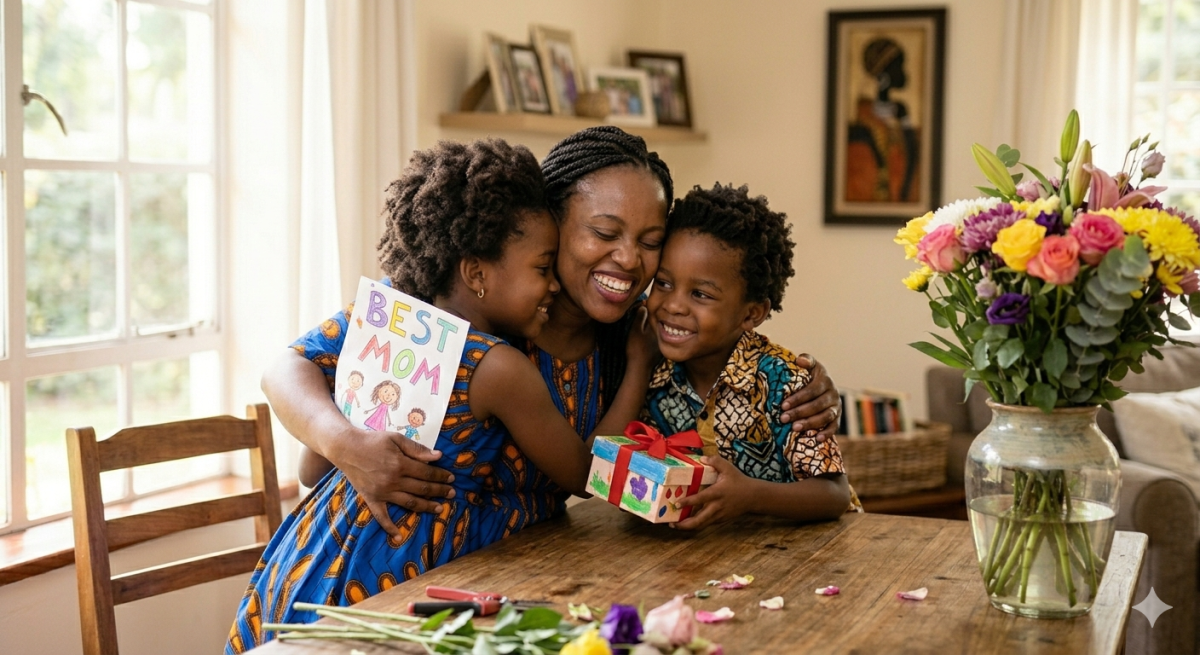
Yet despite carrying so many responsibilities, many mothers rarely receive appreciation outside of special occasions.
Some people only remember their mothers during birthdays or holidays. Others become too busy with work, school or personal struggles and forget to check in regularly. That is why Mother’s Day remains important. It serves as a reminder for families to pause and acknowledge the role mothers continue to play in society.
In African culture, especially, motherhood has always been highly respected. Mothers are often viewed as protectors, advisers and peacemakers within families. Even in adulthood, many people still turn to their mothers first when facing emotional stress, financial challenges or personal confusion.
According to parenting resources published by UNICEF, emotional support within families plays a major role in mental well-being and healthy relationships. Experts say simple acts such as listening, spending time together and showing appreciation can have a lasting emotional impact.
Expensive gifts not always necessary
While some people buy phones, jewellery, handbags or household appliances, others choose simple but meaningful gestures. A heartfelt message, breakfast prepared at home, helping with chores or spending quality time together can leave a stronger emotional impact than an expensive surprise. For many mothers, feeling appreciated matters more than the cost of the gift itself.
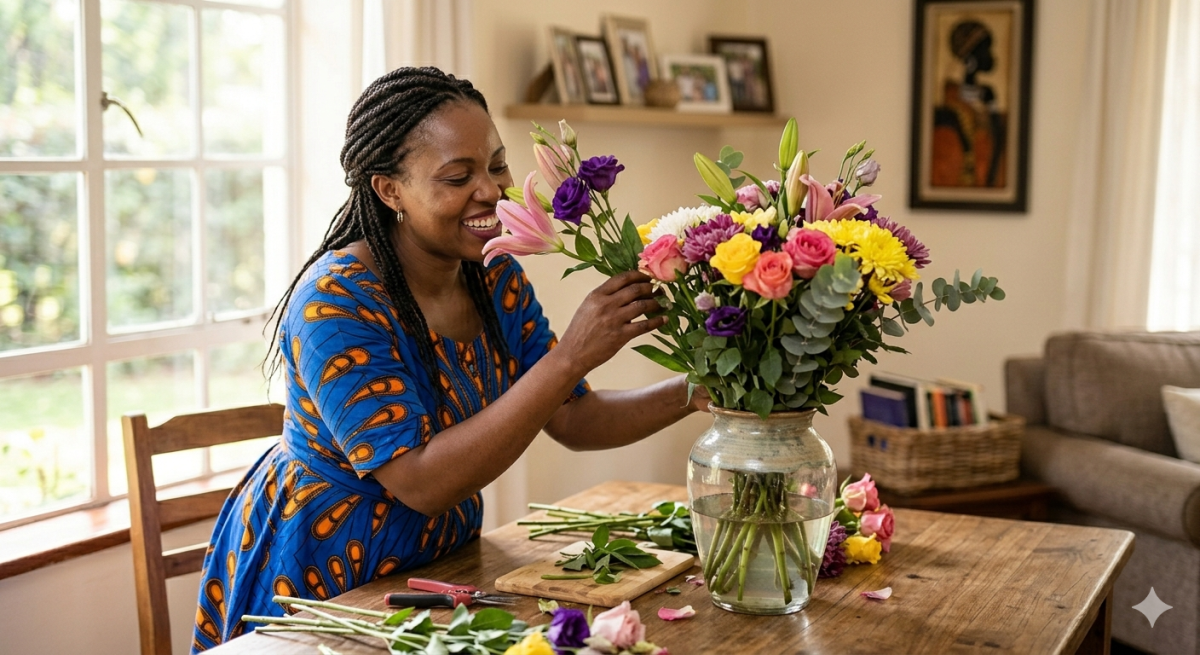
Some families also use the day to reconnect after long periods of distance or misunderstanding. In homes where relationships have become strained because of busy schedules or personal disagreements, Mother’s Day sometimes becomes an opportunity for healing and conversation.
Despite appearing strong on the outside, many mothers struggle quietly with pressure and fatigue. They silently experience stress, burnout and emotional exhaustion because of constant caregiving responsibilities. Some balance work and parenting, while others raise families alone or support relatives financially without complaining openly.
Experts encourage families to support mothers beyond celebrations by sharing responsibilities at home, checking on their emotional well-being, and allowing them time to rest. Even simple support, such as helping with housework or encouraging self-care, can reduce stress significantly.
Its emotional side
Mother’s Day can also be emotional for people who have lost their mothers. While many families will gather for celebrations this Sunday, others will spend the day remembering mothers who are no longer alive. Some will visit gravesites, look through old photographs or reflect on lessons and memories left behind. Others may be celebrating women who stepped into motherly roles such as grandmothers, older sisters, guardians or aunties who helped raise them.
The day also shines a light on mothers whose efforts often go unnoticed. These include single mothers working multiple jobs, stay-at-home mothers who dedicate their lives to caregiving and elderly mothers who continue supporting families long after their children become adults.
As Mother’s Day approaches, move beyond social media posts and temporary celebrations. Respect, care and appreciation should not only happen once a year. Sometimes, what mothers truly need is not a perfect gift or expensive outing. They simply want to feel heard, respected, supported and valued by the people they love.