Advertisement
Love in motion: How run clubs and hikes have become modern dating spaces
13th May, 2026 03:10 PM
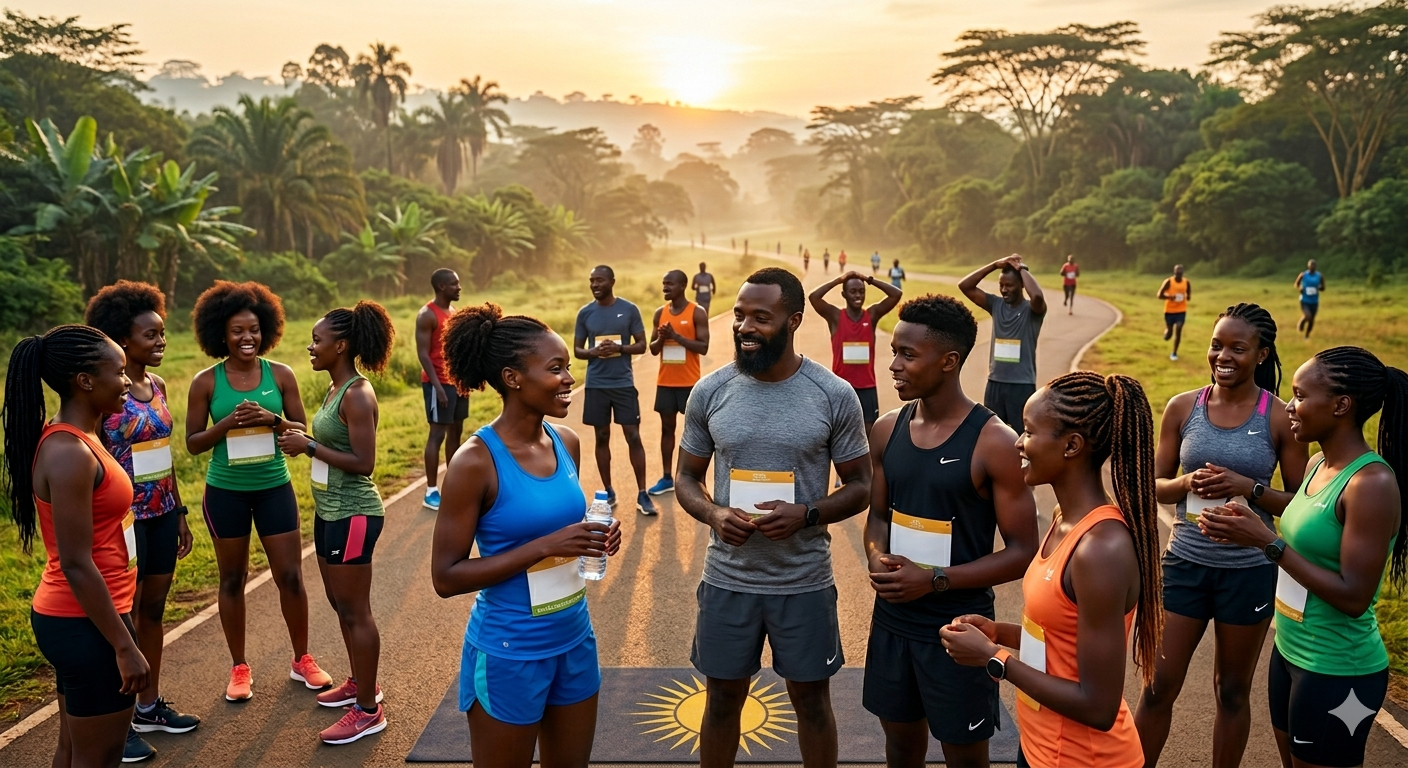
Run clubs and hiking groups have quietly become one of the most interesting social shifts of recent years. What used to be purely about fitness or escaping the city noise is now doubling up as a space where people meet, connect, and sometimes even date. Not because anyone explicitly signs up looking for romance, but because the structure of these activities naturally creates the kind of environment where human connection feels easier, lighter, and more real than scrolling through screens.
Across many cities, especially among young adults, there is a growing sense of fatigue with dating apps and artificial introductions. People are starting to crave situations where connection happens without pressure, without constant performance, and without the awkward interrogation style of a first date. Run clubs and hikes have stepped into that gap almost unintentionally. They were never designed to replace dating apps, yet they are slowly becoming exactly that for many people.
The rise of movement-based social Life
One of the clearest cultural changes is that social life is becoming more active rather than stationary. Instead of meeting in loud bars or sitting across tables trying to force conversation, people are now meeting while moving together. Run clubs gather in parks, streets, or coffee shop meeting points, then head out in groups where conversation flows naturally between breaths and footsteps. Hiking groups do something similar, except the conversation is spaced out by scenery, hills, and the occasional moment where everyone pretends not to struggle on an incline.
This shift is not just about fitness trends. It is about how people want to feel while meeting others. Movement removes pressure. When you are slightly out of breath, you are less likely to overthink every sentence. When you are walking through nature, silence does not feel awkward. It just feels normal.
Why run clubs feel like social glue
Run clubs have become especially popular because they combine structure with freedom. There is a start time, a route, and a shared goal, which removes the uncertainty of traditional social settings. You do not need to plan conversation topics or wonder when to leave. You simply show up, run, talk when you can, and naturally fall into rhythm with people around you.
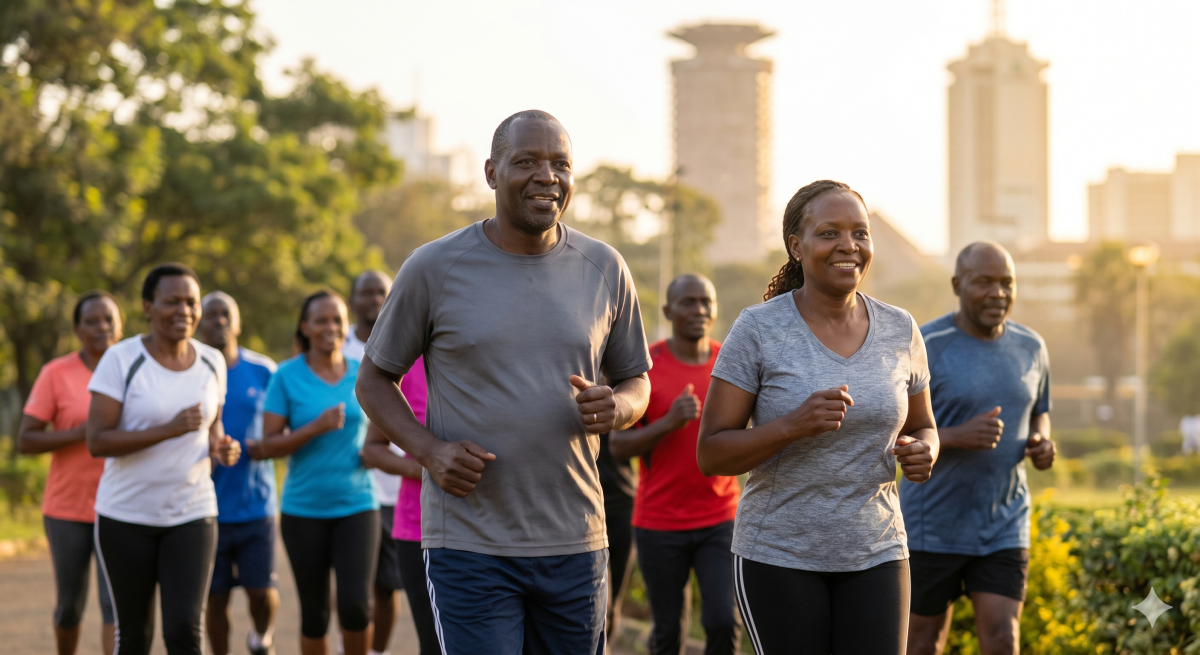
This is where the social magic happens. Conversations start casually during warm ups, continue in bursts during the run, and often stretch into coffee or snacks afterwards. People are not trying too hard to impress each other. They are just existing in the same effort, pace, and energy. That shared experience builds familiarity faster than many traditional meetups.
It also helps that run clubs attract consistency. You start seeing the same faces every week. Familiarity builds comfort, and comfort often builds connection.
Hiking groups and the slow burn connection
If run clubs are the energetic extroverts of this trend, hiking groups are the calm introverts. Hiking removes almost all social pressure because the activity itself demands attention. You are looking at trails, navigating terrain, and adjusting your pace. Conversation comes and goes naturally without needing to be sustained at all times.
This creates what many people describe as “low-pressure intimacy.” You can walk beside someone for long stretches without needing to fill every silence. That kind of comfort is rare in modern dating culture, where silence is often treated as failure instead of part of natural interaction.
Hiking also tends to attract people who are intentionally slowing their lives down. In a world where everything feels fast and digital, walking through nature with strangers creates a refreshing reset. It is not unusual for friendships and romantic interests to form gradually over repeated hikes rather than instant attraction.
Works better than traditional dating spaces
Traditional dating spaces often feel like interviews disguised as social interaction. There is pressure to be interesting, attractive, witty, and emotionally available all at once. That pressure can make people perform rather than connect.
Run clubs and hikes remove that performance layer. You are not sitting under a spotlight. You are part of a group moving through an activity. Attraction, if it happens, develops slowly and naturally through repeated interaction rather than forced conversation.
There is also something psychologically important happening here. Shared physical effort tends to create a sense of bonding. When people struggle a little together, laugh together, or push through fatigue together, they begin to associate those feelings with the people beside them. It is a subtle but powerful form of connection building.
Not just about romance
It is important to note that these spaces are not actually dating events. Most people are not there looking for a relationship. They are there for fitness, community, and routine. The romantic element is more of a byproduct than a goal.
In fact, many running and hiking groups emphasise this balance carefully. The healthiest communities are the ones where people respect the main purpose of the activity while allowing friendships and connections to form naturally in the background. When people show up only to hunt for dates, the atmosphere tends to shift and lose its authenticity.
Modern loneliness and real-world return
The popularity of these groups also reflects something deeper. Many people are tired of digital overload and shallow interactions. After years of swiping, messaging, and ghosting, there is a renewed interest in meeting people in spaces that feel grounded and real.
Even data around social trends shows a clear increase in participation in group fitness activities and outdoor meetups, alongside declining engagement in some dating platforms.
This does not mean dating apps are disappearing completely. It means people are expanding how they meet each other. The modern dating landscape is becoming more hybrid, where online introductions exist alongside offline communities like run clubs, walking groups, and hiking circles.