Advertisement
Why falling in love with a partner’s potential almost always ends in resentment
29th June, 2026 08:56 PM

We hear it all the time in dating circles: “We are building together.” It’s a beautiful phrase that speaks to a culture of resilience and shared growth.
But sometimes, this mindset hides a psychological trap. Instead of loving the actual person standing in front of them, many people fall in love with what that person could become. They look at a partner like a rough piece of land or an unfinished house, convinced that with enough patience and coaching, the final product will be perfect.
This habit of projecting a desired future onto a present person is a common cognitive distortion. The brain gets a rush of dopamine simply by anticipating a reward, which means the neuroscience of hope makes a partner’s imagined transformation feel incredibly real. This creates an implicit contract that the other person never actually signed.
The trap of partner renovation
When a relationship is built on the gap between who a partner is today and who they need to become, the daily reality is exhausting. The bond quickly shifts from companionship to a series of endless improvement projects.
One person becomes a constant supervisor, monitoring everything from financial habits to career ambition, while the other feels under permanent scrutiny.
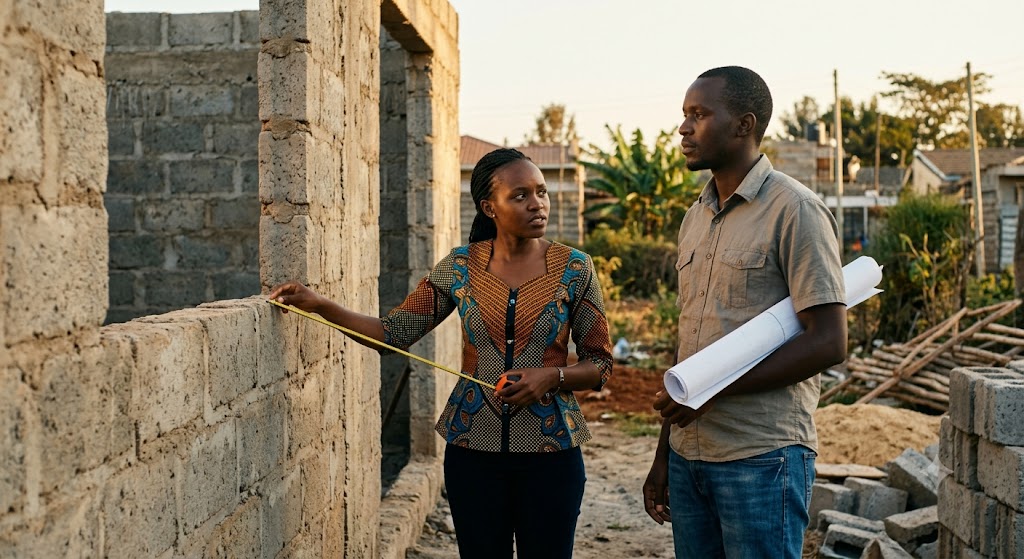
This constant pushing usually backfires. Studies on partner regulation show that trying to force a partner to change their core traits rarely brings the desired results.
In research published in the Personality and Social Psychology Bulletin, experts highlight that “romantic partners often attempt to improve their relationship by changing each other’s traits and behaviours, but such partner regulation is often unsuccessful”.
Instead of inspiring growth, these constant demands leave the investing partner feeling cheated and the targeted partner feeling completely rejected.
Love as an acceptance practice
Resentment in these relationships does not happen overnight. It builds slowly, fuelled by the minor disappointments of daily life when a partner fails to meet an idealised standard.
In Kenya, where economic pressures make financial upward mobility a priority, it is easy to conflate building a life with a partner with completely remodelling them. Managing a household budget of Sh50,000 becomes a test of future capacity rather than a simple daily task.

True relationship satisfaction requires viewing love as an acceptance practice rather than an improvement project.
Research consistently shows that feeling genuinely accepted by a partner is the real foundation for lasting intimacy and emotional safety. When couples stop treating their relationships as construction sites, they find peace.
Real growth happens naturally when people feel loved for who they are right now, not for who they might become in the future.