Advertisement
Unequal family love: How parental favouritism shapes sibling relationships
28th September, 2026 12:29 PM

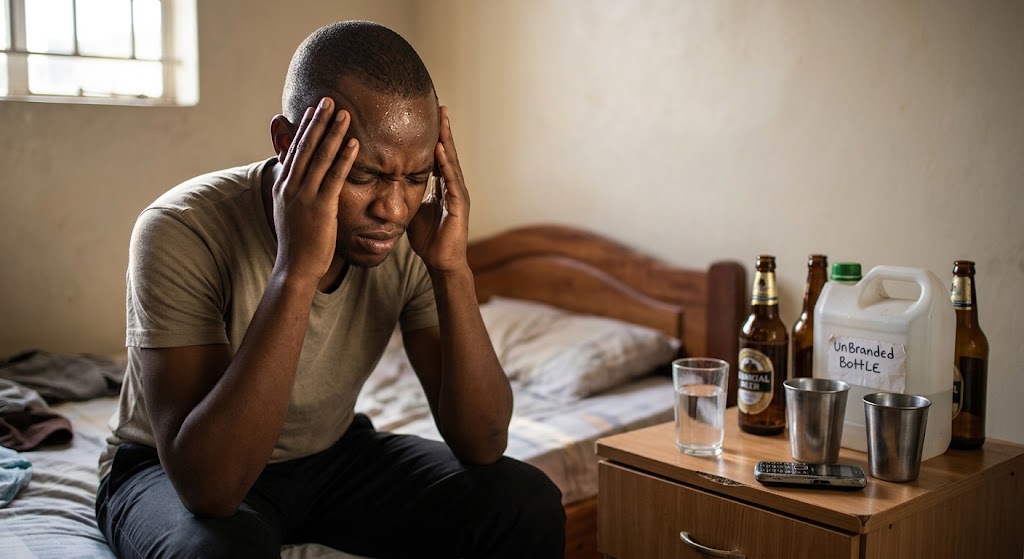
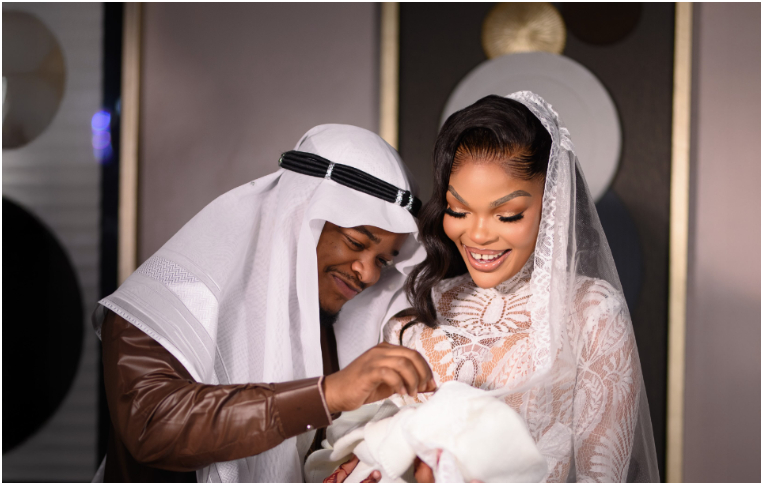
Family is often described as a place where everyone is loved equally, but many siblings grow up feeling that this is not always the case. One child may be seen as the responsible one, another as the difficult one, while another appears to receive more attention, praise or protection from their parents.
Although parents may not always intend to show favouritism, differences in treatment can leave lasting impressions on children and influence how siblings relate to each other long after they have grown up.
When one child feels chosen
Parental favouritism can appear in different ways, from giving one child more attention to trusting them with greater responsibilities or being more forgiving of their mistakes.
Sometimes, parents may naturally connect more easily with a particular child because of their personality, interests or circumstances. At other times, one child may receive more support because they are going through a difficult period.
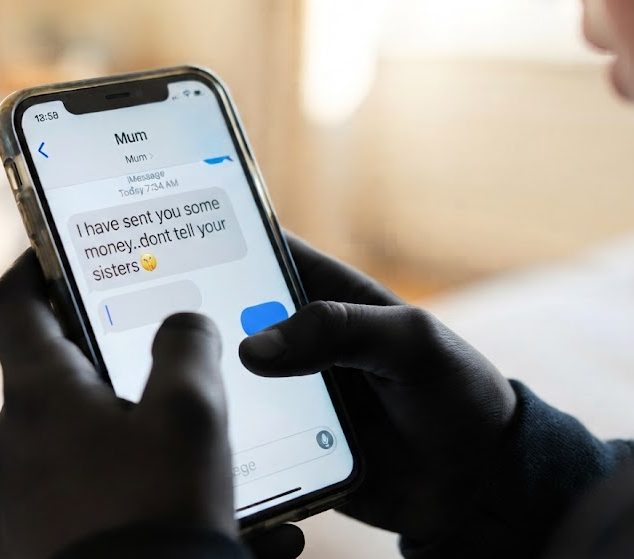
However, children may interpret these differences differently. A sibling who constantly feels overlooked can begin to question their place within the family, especially when praise and affection appear to go repeatedly to someone else.
The impact on sibling relationships
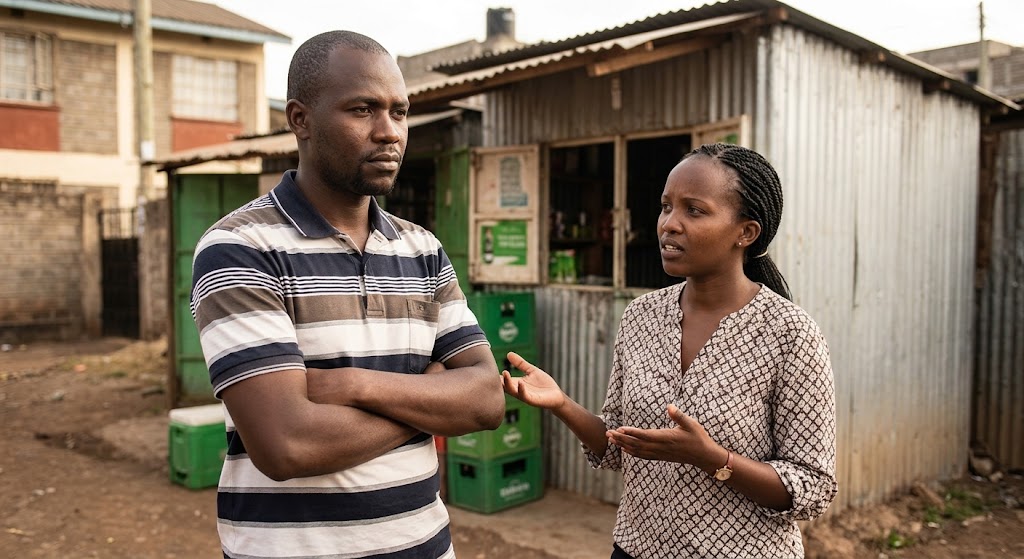
Unequal treatment can create tension between siblings, particularly when children start believing that they are competing for parental approval.
A sibling who feels favoured may also become uncomfortable with the attention or feel pressured to maintain the image their parents have created for them. Meanwhile, the child who feels overlooked may withdraw, become resentful or avoid family interactions.
These feelings can continue into adulthood, affecting communication, family gatherings and even how siblings support each other during major life events.
In some families, old childhood labels can also follow siblings into adulthood, with one still being treated as the “responsible” child while another remains the “problem child”.
Can families break the pattern?
Recognising favouritism is an important first step. Parents may need to reflect on whether their actions are unintentionally creating divisions among their children.

For siblings, acknowledging that childhood experiences were different can also create room for honest conversations. Rather than competing over who received more love, families can focus on understanding how those experiences shaped each person.
Ultimately, family relationships are not defined only by whether parents treated every child identically. They are also shaped by whether each person feels seen, heard and valued.