The surprising benefits of spending individual time with each of your children
By Cynthia Lodite, July 16, 2026In busy households, it is easy for parents to treat family time as enough. While spending time together is important, experts say each child also benefits from having individual time with a parent.
These moments, free from distractions and siblings, can strengthen relationships, improve communication, and support a child’s emotional well-being.
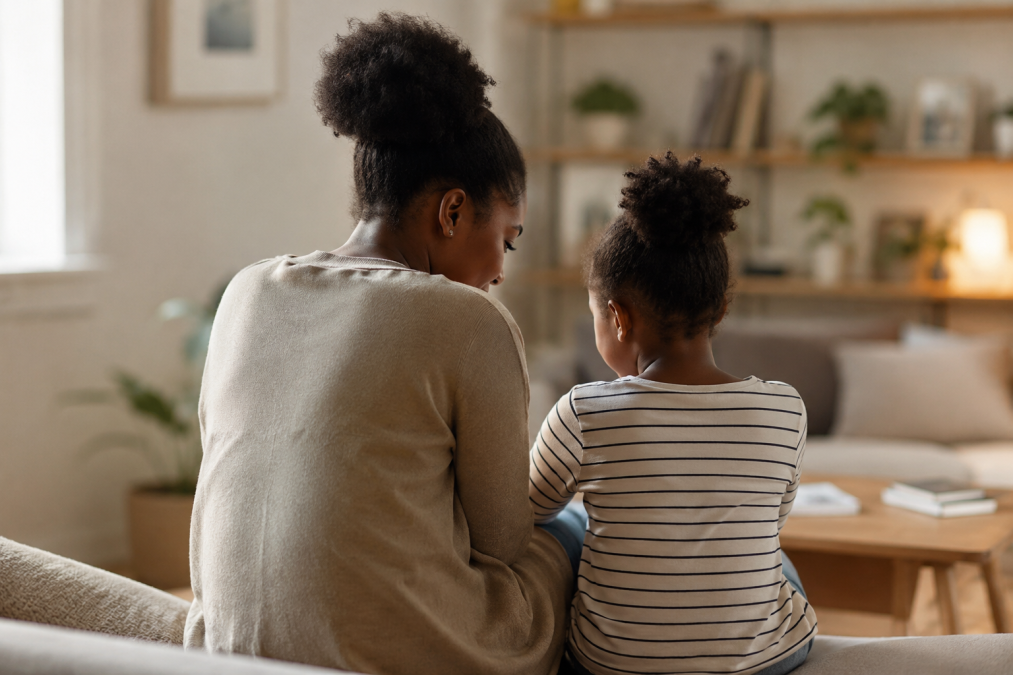
Whether it is a 15-minute walk, a trip to the market, reading a bedtime story, or simply talking over a cup of hot chocolate, one-on-one time sends a powerful message to a child: “You matter, and I enjoy being with you.”
Research supports this. According to the American Academy of Pediatrics (AAP), responsive and nurturing interactions between parents and children are essential for healthy brain development, emotional security, and resilience.
Children who experience warm, attentive relationships with caregivers are better equipped to manage stress and build healthy relationships later in life.
Every child is unique. One may be outgoing and constantly seeking attention, while another may be quiet and less likely to ask for it. Spending individual time with each child allows parents to understand their personalities, interests, fears, and dreams. It also creates a safe space where children feel comfortable discussing challenges they might not share in front of siblings.
For families with more than one child, one-on-one time can also help reduce sibling rivalry. Children are less likely to compete for attention when they know they will have dedicated time with their parents. Instead of feeling overlooked, they feel valued for who they are as individuals.
Benefits beyond childhood
The benefits extend beyond childhood. A long-running study by researchers at Harvard University has shown that strong, supportive relationships are among the biggest predictors of happiness, health, and well-being throughout life.
While the study focuses on relationships broadly, it reinforces the lasting value of nurturing close family bonds from an early age.
In Kenya, where many parents juggle demanding jobs, long commutes, and household responsibilities, finding extra time may seem impossible. However, quality often matters more than quantity. A meaningful conversation during a walk to school, preparing dinner together, or listening attentively while your child talks about their day can make a lasting difference.
Experts also encourage parents to let the child choose the activity. A younger child may want to play a game, while a teenager may simply want to go for a drive or chat without interruptions. The goal is not to spend money but to build connection.
During this time, parents should put away their phones, avoid multitasking, and give their child their full attention. Asking open-ended questions such as, “What made you smile today?” or “Is there anything you’re worried about?” can encourage honest conversations.
Children who feel heard at home are often more confident expressing themselves elsewhere. They are also more likely to seek guidance from their parents when facing peer pressure, bullying, academic challenges, or mental health struggles.
Parenting is not about treating every child exactly the same it is about giving each child what they need to thrive. One-on-one time reminds children that they are loved not because they are part of the family, but because they are valued as individuals.
In the end, children may not remember every gift they received or every toy they owned. But they are likely to remember the moments when a parent made them feel seen, heard, and deeply loved. Sometimes, the greatest investment a parent can make is simply giving one child their undivided attention.