Staying together through loss: How couples survive profound grief
By Dan Kauna, July 18, 2026When a family or the nation faces a painful tragedy, the weight of the sorrow can take a massive toll on relationships. Losing a loved one or dealing with a sudden disaster changes the mood inside any home.
Quite often, both partners find themselves completely drained, leaving them with very little energy to support one another. This emotional exhaustion can make people feel entirely alone, even when they are sitting in the same living room with their spouse.
Another challenge is that people do not grieve the same way. One partner might want to talk about the loss or cry openly, while the other prefers to stay quiet and keep busy with chores.
This difference easily creates an uncomfortable distance between them. To escape the heavy emotions, some individuals dive straight into overworking or spending more time drinking alcohol.
Instead of wiping away the pain, these avoidant behaviours only create fresh marital arguments.
The danger of hiding your pain
A very common instinct during tough times is to hide tears to avoid making a partner feel worse. People often think they are protecting their spouse by acting strong, but scientific evidence shows this approach usually backfires.

A major study on how families handle loss published in Perspectives on Psychological Science discovered that “holding in one’s own grief in order to protect one’s partner from pain was actually associated with greater grief for both the partner and the self later on.”
Suppressing these feelings blocks the honest connection that couples need to heal.
Simple habits that protect love
Couples who survive these dark seasons successfully practice specific daily habits. First, they accept that people cry and heal differently. Recognising that a partner who stays quiet is still hurting prevents unnecessary anger and resentment.
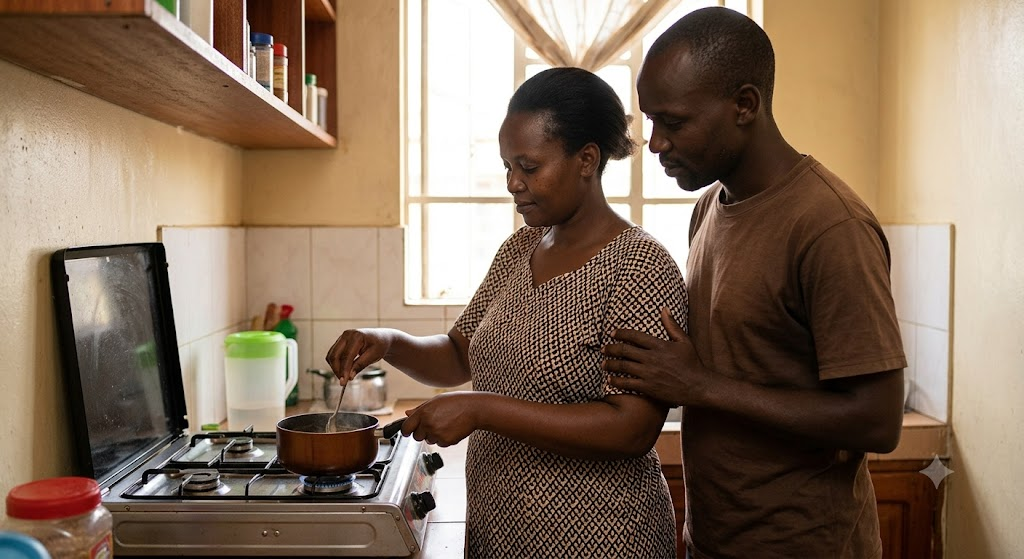
Second, successful couples allow themselves to take brief breaks from their sadness. It is completely fine to laugh at a joke, watch a television programme, or discuss everyday family chores even during a mourning period.
Giving each other permission to step away from the heavy sorrow helps reload their emotional energy. By avoiding the temptation to hide in work or alcohol, and choosing simple, honest conversations instead, couples can safely get through the toughest times together.