Advertisement
Ghosting, breadcrumbs, and trauma triggers: Why modern dating feels harder after hurt
18th June, 2026 06:00 PM

Modern dating has introduced a new emotional vocabulary ghosting, breadcrumbing, situationships, orbiting. For some, these are just annoying trends of the digital age.
For others, especially people with past emotional trauma, they are not just frustrating they can feel destabilizing.
Dating has always carried vulnerability, but in today’s swipe-driven world, where connection can start and end with a notification, emotional safety is often harder to establish.
And when someone is already carrying wounds from past relationships, this uncertainty can intensify old fears in ways that feel immediate and overwhelming.
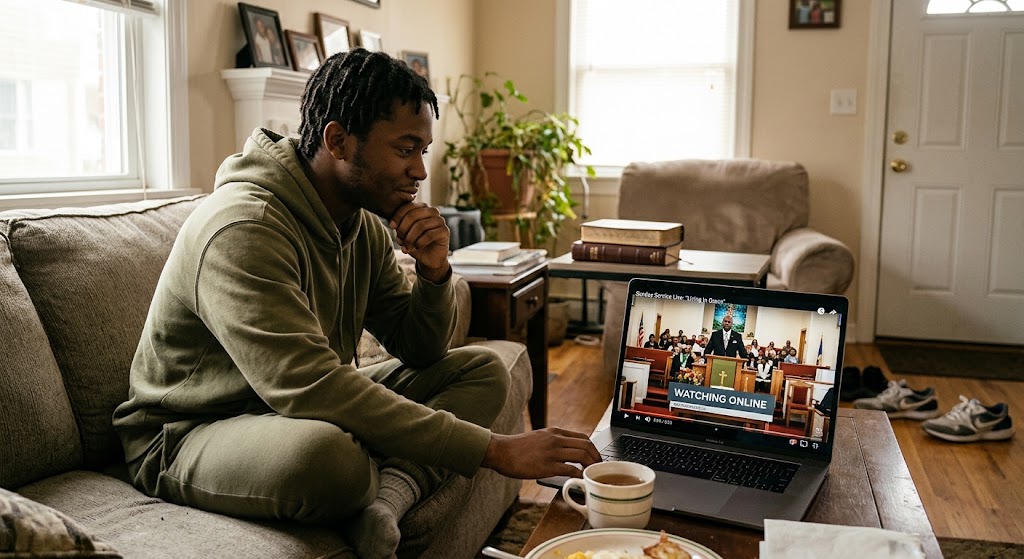
According to Wild Flower, a centre for Emotional Health, the speed of digital communication and the increased amount of daily screen time have given us the illusion of connection.
“The speed of digital communication, and the increased amount of daily screen time, has given us the illusion of connection, when really, emotional attachment and relationships take time to build and cultivate. Attachment is all about connection and safety,” Wild Flower states.
When the past shows up in the present
When navigating new relationship, understanding attachment injuries is crucial to understanding what our needs are in the romantic relationship context.
Attachment injuries are adaptations of emotional needs that were not met in infancy and early childhood.
While early literature suggested that one’s attachment could not be changed, we now know it is malleable and often context dependent. This means that our partners often help shape how our learned patterns of attachment show up.
Trauma doesn’t always stay in the past. It often shows up in the nervous system in the way someone reacts to silence, delay, or inconsistency.
For someone who has experienced emotional neglect, betrayal, or abuse, a delayed text response may not feel neutral; instead, it may feel like abandonment.
A partner pulling away slightly may not feel like space it may feel like rejection. The brain, trying to protect itself, begins to scan for danger even when none is intended.
This is why modern dating dynamics can be especially challenging. The ambiguity of it all leaves room for interpretation and trauma tends to interpret uncertainty as threat.
Healing in a world that moves fast
Healing in modern dating often requires slowing down internally, even when everything externally feels fast.
Therapists often encourage practices such as naming emotional triggers when they arise, pausing before reacting to uncertainty and distinguishing past experiences from present reality.
Also, setting boundaries around communication expectations and choosing consistency over intensity in relationships is key in navigating modern life.