Advertisement
Safety skills every boarding school student should know
29th May, 2026 04:41 PM

Boarding school life is often seen as a mix of independence, discipline, and academic pressure. But beyond classrooms and dormitories, safety remains one of the most important aspects of student life, yet it is often overlooked until something goes wrong.
From fire incidents to medical emergencies and security concerns, boarding schools face risks that require students to be alert and informed. Simple safety knowledge can make a big difference when emergencies occur.
Many school-related emergencies become more dangerous due to a lack of awareness and delayed response. This has led to renewed calls for students to be actively involved in safety preparedness.
Knowing emergency exits and assembly points
One of the most basic but critical safety lessons for boarding school students is understanding escape routes. Every student is expected to know where the nearest exit is from classrooms, dormitories, and dining halls.
In emergencies such as fires, confusion often leads to delays that can put lives at risk. Students who are familiar with exit routes are more likely to evacuate quickly and safely. Students who understand evacuation procedures are better positioned to protect themselves and others during emergencies.
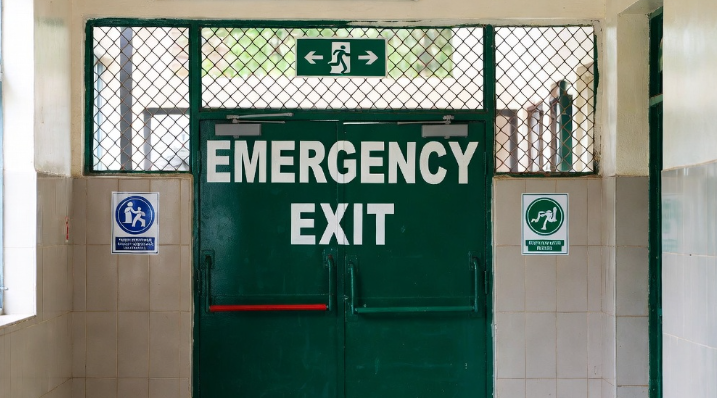
Schools are encouraged to regularly conduct fire drills, but experts emphasise that students should also take personal responsibility in learning and remembering safety routes.
Reporting hazards early can prevent disasters
Another important lesson is learning to report risks before they turn into major incidents. Faulty wiring, unattended cooking areas, and blocked exits are common hazards in boarding schools.
The Ministry of Education has in past issued safety guidelines urging learners and staff to immediately report anything that could compromise safety. Early reporting can prevent fires and injuries before they happen.
Students are also encouraged to avoid using unauthorised electrical appliances in dormitories, as these are often linked to fire outbreaks.
“Most school fires can be prevented if warning signs are taken seriously early enough,” the National Disaster Management Authority stated.
Staying calm and helping others during emergencies
In emergencies, panic can spread faster than the danger itself. Boarding school students are often many in number, and panic can lead to stampedes or poor decision-making.
Experts advise students to remain calm, follow instructions from teachers or safety wardens, and avoid rushing or pushing during evacuation.
Basic first-response skills such as helping someone who is injured, guiding younger students, or alerting authorities can also make a major difference during emergencies.
The Kenya Red Cross Society emphasises that preparedness is not only about avoiding danger but also about knowing how to respond when it happens.
“Calmness and awareness during emergencies can significantly reduce harm and save lives,” a Red Cross safety awareness statement noted.
Building a culture of safety among students
Safety in boarding schools should not only be handled by teachers or administrators. Students themselves play a major role in ensuring their own security and that of their peers.
Simple habits like keeping dormitory areas tidy, respecting electrical rules, and participating seriously in safety drills can help build a safer school environment.
As concerns over school safety continue to rise across the country, experts maintain that empowering students with basic safety knowledge remains one of the most effective ways to prevent tragedies.