Advertisement
How to talk to your children about fuel crisis and why things cost more
21st May, 2026 10:43 AM
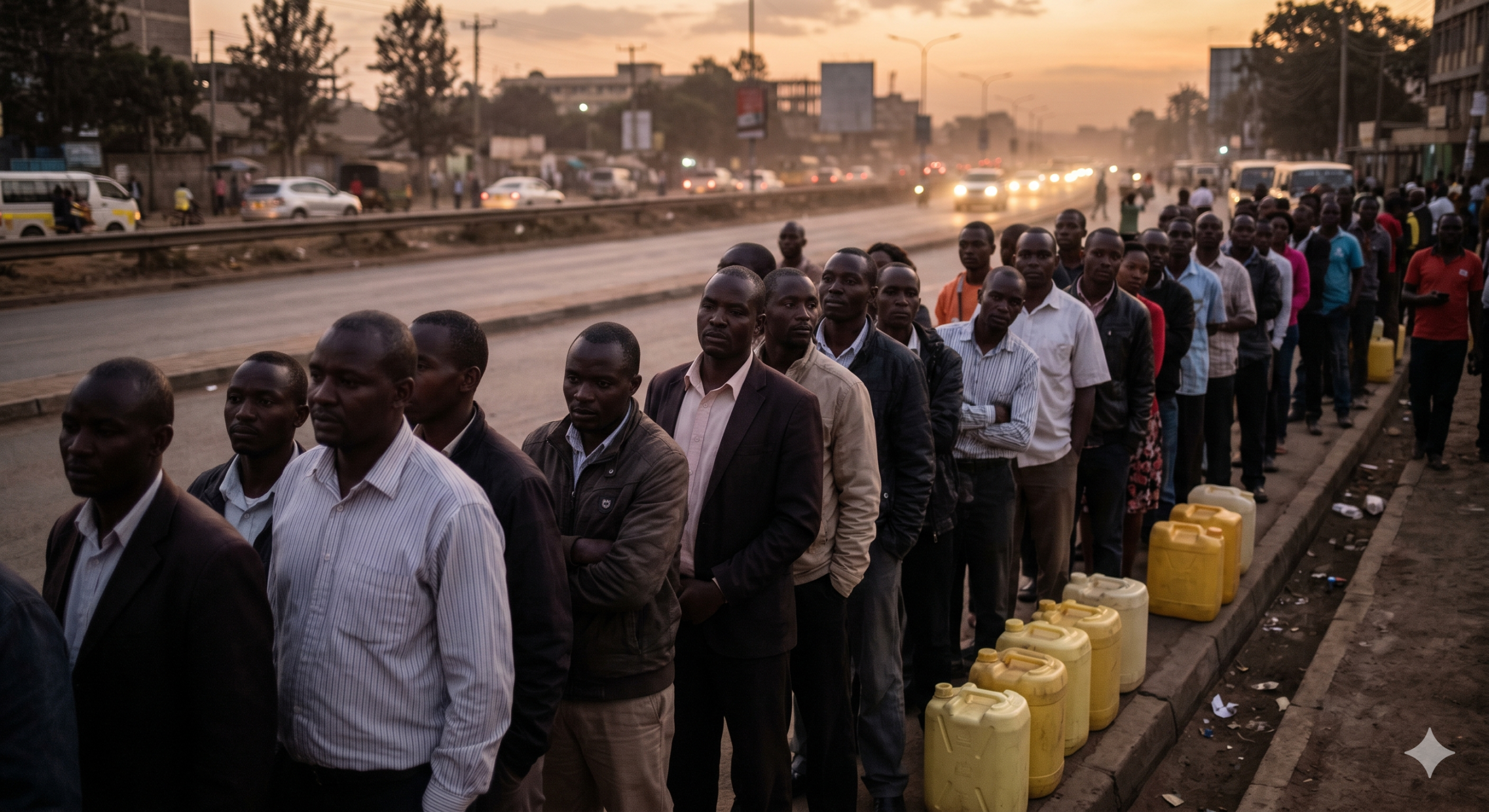
When a transport strike or fuel shortage hits home, our daily routines can flip upside down overnight.
Suddenly, we are dealing with long commutes, empty matatu stages, and grocery prices that seem to jump every single day.
Our kids see all of this. They notice the heavy mood at the dinner table, the lack of everyday treats, and the extra fatigue in our steps.
While we cannot shield them from the hard realities of life, we can choose how we talk to them.
Finding a gentle balance between being honest and keeping them feeling safe is the best way to help them navigate these stressful moments.
Keep explanations simple and real
We do not need to give our children a complicated lecture on global supply chains to explain why things cost more.
Instead, we can explain things using their own world, like telling them that matatus need fuel to move, and when fuel is scarce, we simply have to walk a bit more.
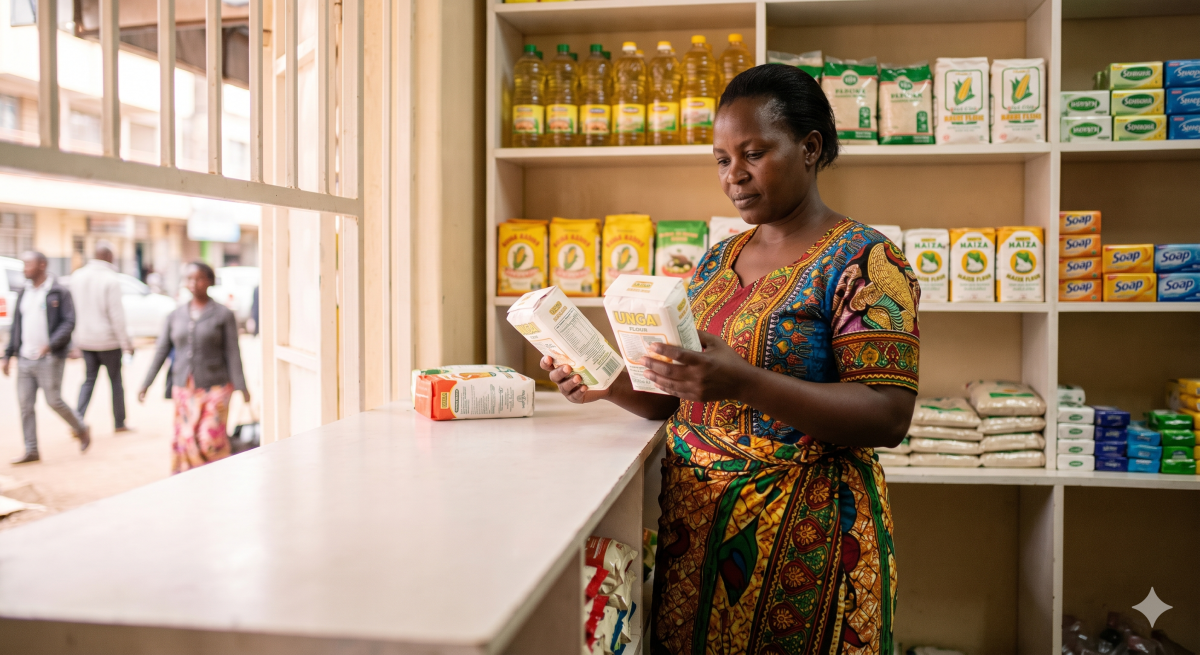
We can softly explain that because shops pay more for food, our family is focusing strictly on what we truly need right now.
This grounded approach is backed up by global research. In a 2017 cross-cultural study, researchers noted that “the Family Stress Model of Economic Hardship (FSM) posits that economic situations create differences in psychosocial outcomes for parents and developmental outcomes for their adolescent children.”
By keeping our words simple, we stop economic stress from turning into childhood anxiety.
Protect their peace of mind
The truth is, our children absorb our stress like sponges.
When we are worried about making ends meet, that pressure can accidentally spill over into how we interact with our families. Decades of research show that financial strain hurts kids the most when it disrupts the warmth and daily peace of their home.

As a 2016 study by Tricia Neppl points out, “These objective economic conditions are expected to influence family functioning and child adjustment primarily through the economic pressures they generate.”
When we realise this, we can make a conscious effort to guard our own peace and our children’s.
Reassuring our kids that their core needs (like a safe home and full bellies) are totally secure turns a scary national crisis into a reassuring, shared family strategy.
Walk through the changes together
It is also important to remember that children experience these hardships firsthand, not just through us.

We should openly acknowledge how exhausting it is to walk further, rather than pretending everything is perfectly normal.
A 2021 study by Yekaterina Chzhen reminds us that “poverty directly affects the lives of children, as well as parents; it leads to both children and parents experiencing economic pressures”, which can cause real emotional distress.
By keeping up steady home routines, like regular mealtimes and bedtime chats, we give them a secure anchor. Framing that long walk to school as a special team walk where we can talk and connect teaches them a beautiful, lifelong lesson: external instability cannot shake a happy home.