Advertisement
How to clean an iron box to protect your clothes from damage
10th June, 2026 11:01 AM
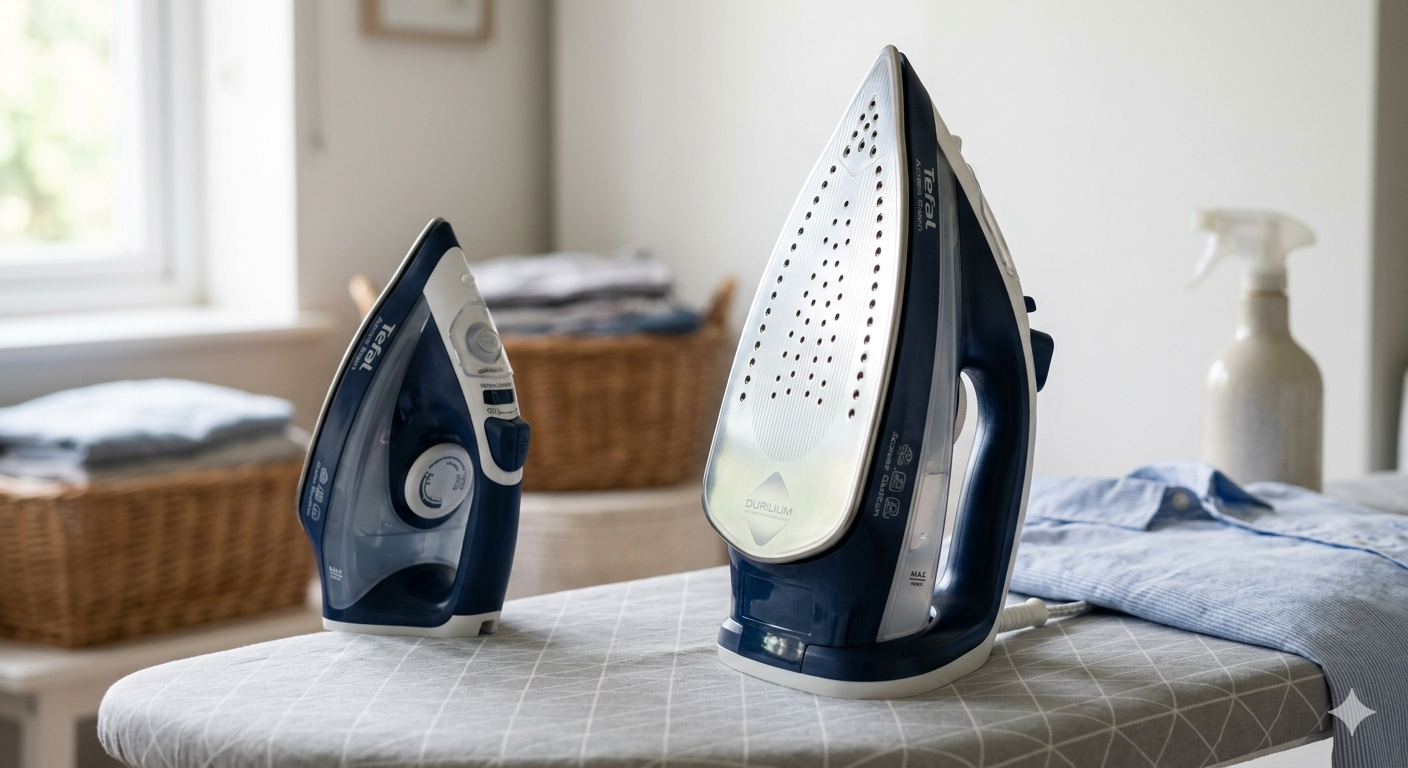
A clean iron is often overlooked in household care, yet it plays a major role in how clothes look and feel after ironing. Over time, dirt, starch build-up, and burnt fabric can stick to the soleplate, leading to stains or marks on clothes. Regular maintenance of ironing tools helps extend their life and improves performance.
A neglected iron can transfer heat unevenly or leave residue on fabric, especially on light-coloured clothing.
Checking the soleplate first
Before cleaning, always ensure the iron is unplugged and completely cooled down. The soleplate is the flat metal surface that comes into direct contact with clothes, and it is usually where most dirt builds up.
A simple wipe using a soft, damp cloth can remove light stains. For slightly tougher residue, a mixture of baking soda and water is often recommended. The paste should be gently applied and wiped off without scratching the surface.
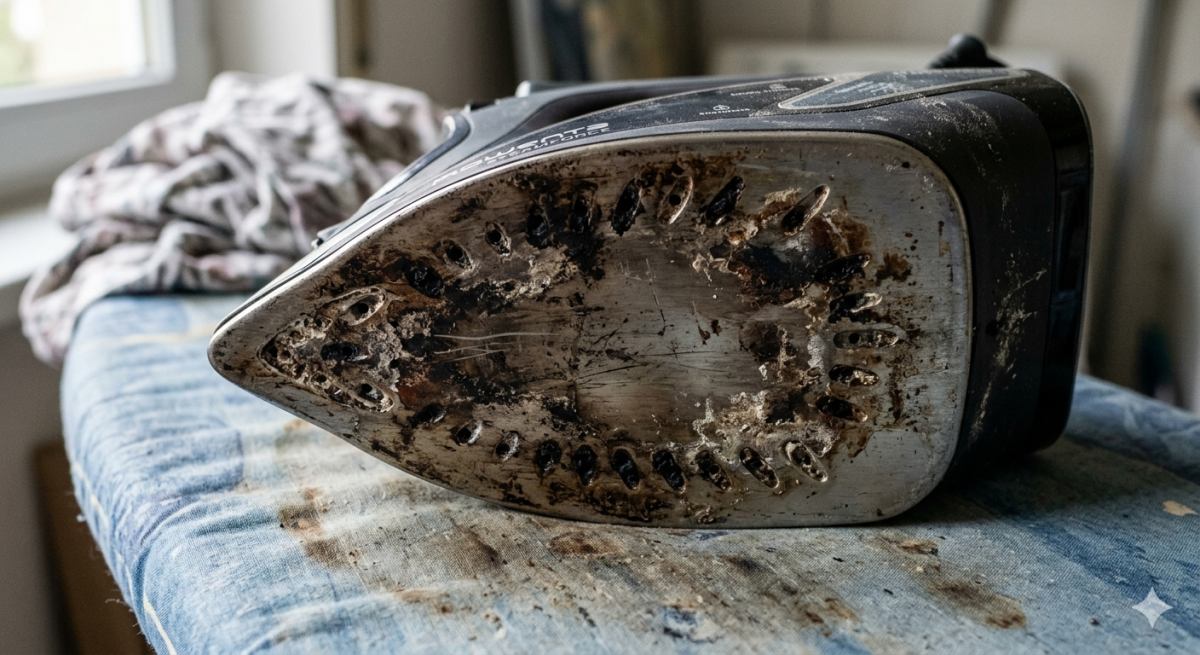
Removing burn marks safely
Burn marks are common when synthetic fabrics accidentally melt onto the iron. One simple method is using white vinegar on a soft cloth to loosen the residue. Vinegar helps break down stubborn stains without damaging the metal surface.
Another commonly shared tip from appliance care advice on sites like Tefal is to use the iron’s self-cleaning function if it has one. This helps flush out internal mineral build-up that can also affect ironing quality.
It is important to avoid using sharp objects to scrape the soleplate, as this can permanently damage the coating.
Cleaning the steam vents and the water tank
Steam irons often develop blockages in the small holes that release steam. This happens when tap water leaves mineral deposits inside the system. A mix of equal parts water and white vinegar can be poured into the water tank and released through steam bursts to clear the vents. After this, it should be flushed with clean water.
Manufacturers also advise using distilled water where possible to reduce future build-up.
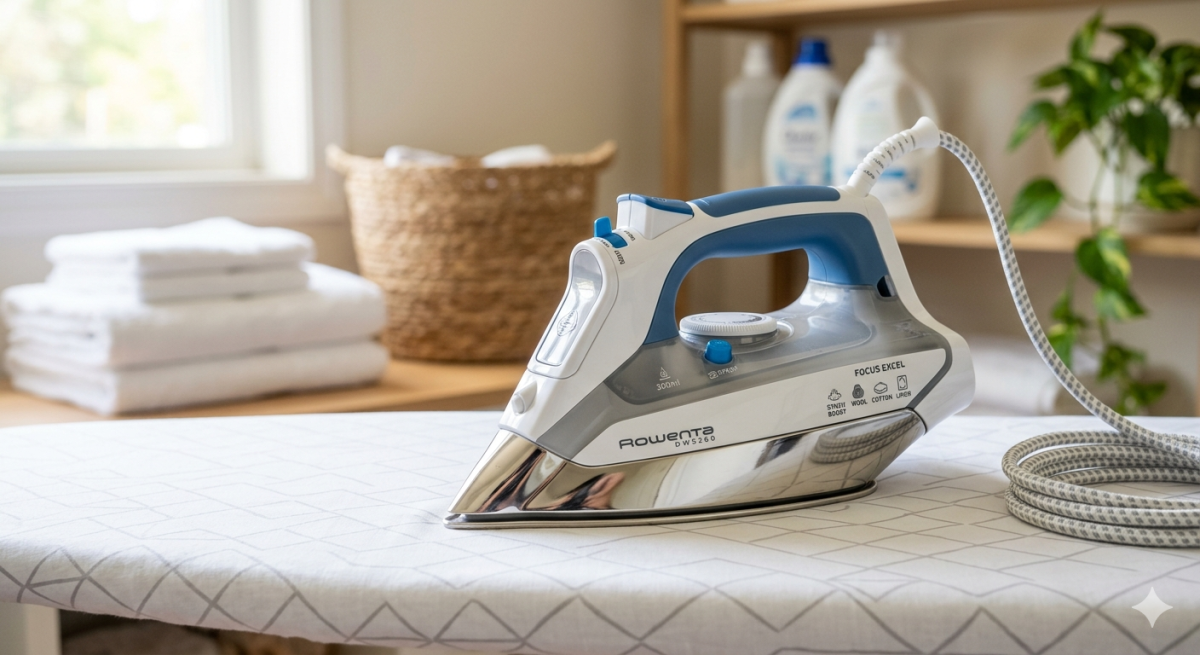
Preventing future damage
Prevention is easier than repair. Wiping the soleplate after every few uses prevents residue from hardening. It is also advisable to avoid ironing over zips, prints, or synthetic materials at very high temperatures, as these are common causes of burn marks.
Storing the iron upright once it has cooled also prevents water leakage and internal scaling.
A simple routine for longer use
Cleaning an iron does not require complicated products or expensive tools. With basic household items like vinegar, baking soda, and a soft cloth, it is possible to maintain a smooth and effective ironing surface.
A well-maintained iron not only protects clothes from damage but also makes ironing quicker and more efficient. Over time, this small routine can save both money and frustration, ensuring clothes always come out looking fresh and well-finished.