Advertisement
How to ask your boss for transport allowance right now
20th May, 2026 03:44 PM

If your morning commute felt less like a routine and more like a financial heist this week, you are definitely not alone. Right now, simply getting to work in Nairobi has officially become a luxury.
In a dizzying few days, the Energy and Petroleum Regulatory Authority (EPRA) sent shockwaves through the city by hiking diesel to a staggering Ksh242.92 per litre and super petrol to Ksh214.25. The retaliation from the transport sector was a brutal 50 per cent matatu fare spike and a chaotic Monday strike that left thousands of commuters stranded or forced to walk for hours.
And let’s be honest – even though a minor revision dropped the Nairobi diesel price slightly to Ksh232.86 the following day, we all know those matatu fares are staying firmly right where they are.
Your wallet is taking a beating, but here is the silver lining: the math is finally on your side. If you have been hesitating to sit your boss down and ask for a transport allowance, this is the exact moment the data backs you up completely.
Build the case before the conversation
Work out your actual commuting cost: route, distance, daily fare, and how many days a month you are physically in the office. If you drive, use current EPRA-confirmed fuel prices.
If you use public transport, use the post-strike matatu fare for your route as the baseline, not the old one.
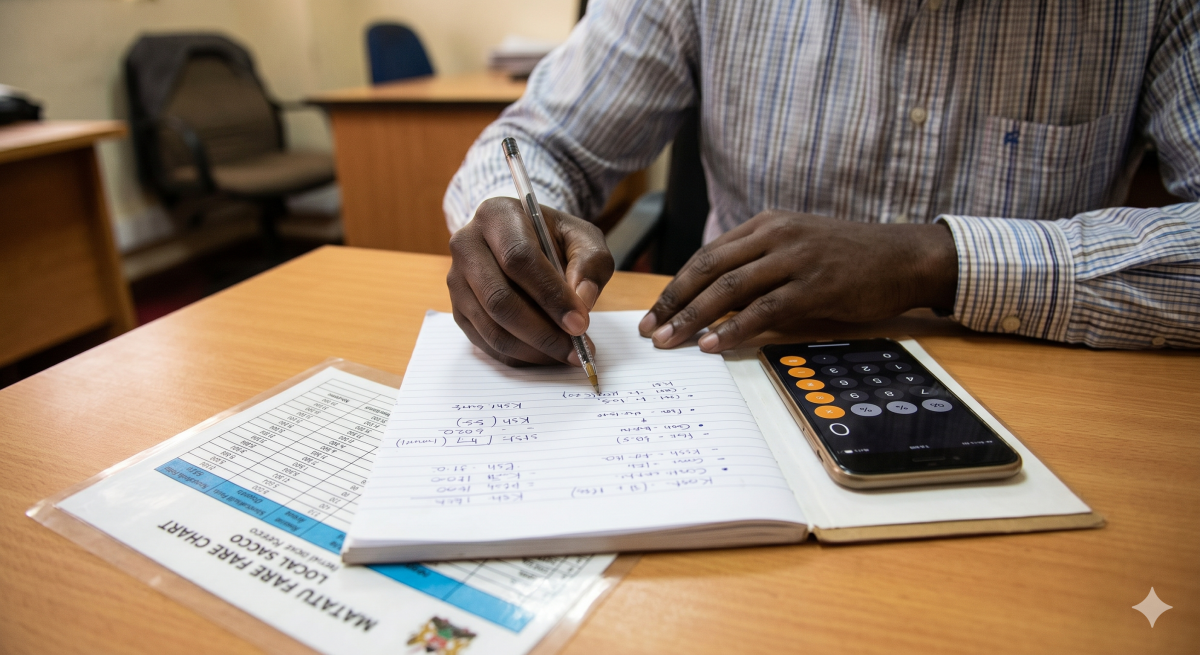
Then put that figure alongside your gross monthly salary to show what percentage of your take-home goes purely to getting through the door.
For anyone earning under Ksh50,000 a month and commuting more than 15 kilometres each way, that percentage is likely uncomfortable.
Research backs up why this matters to employers as well as employees.
A 2023 peer-reviewed study published in the journal Sustainability confirmed that “providing a monthly commuting allowance… can help alleviate the negative impact of commuting on job satisfaction”, meaning the fare increase turns your personal cost problem into a retention issue your employer has a direct stake in.
How to have the conversation
Keep the tone collaborative rather than confrontational. You are not demanding a raise; you are raising a specific and quantifiable cost that changed materially in the past two weeks.
Book a short, dedicated meeting rather than raising it in passing. Come with a printed or shared breakdown: your commuting route, the EPRA-confirmed fuel or fare figures, and a proposed monthly figure.

Suggest a review clause tied to the EPRA pricing cycle, which signals that you are asking for something measured rather than an open-ended commitment.
If a full allowance is not immediately possible, ask whether the company can cover part of it, or whether a fixed travel stipend can be factored into your next salary review. Employers respond better to a narrow, well-reasoned ask than a vague complaint about the cost of living.
The data is already on your side. This past week has given you the perfect reason to use it to your benefit.