Advertisement
Cremation: 5 surprising reasons it is gaining acceptance today
21st May, 2026 07:02 PM
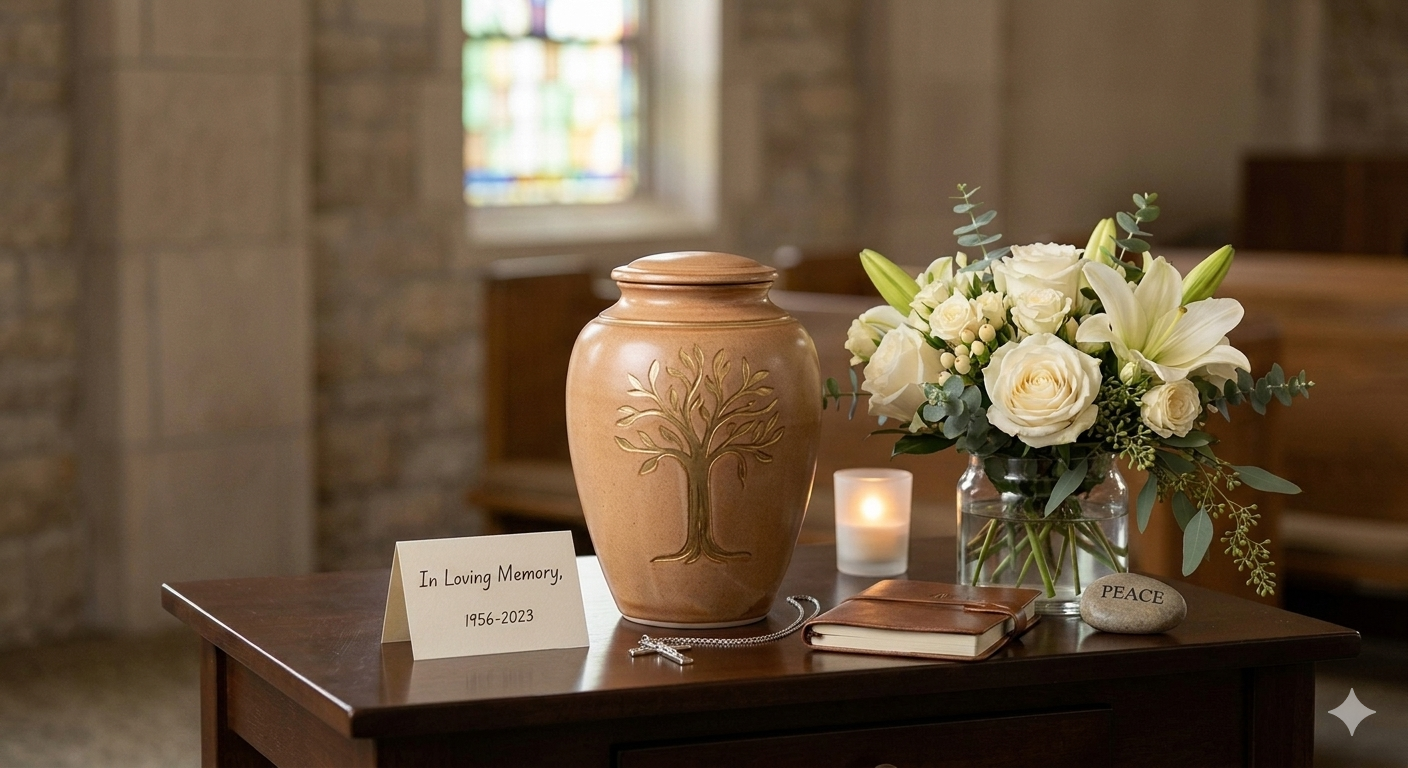
Cremation is a method of handling human remains after death, where the body is reduced to ashes through controlled burning in a specialised facility known as a crematorium.
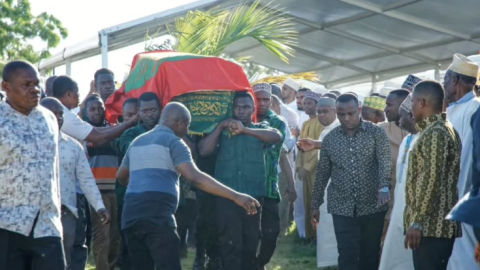
While the practice has existed for centuries in some cultures and religions, it was once viewed with hesitation or even resistance in many African communities, where burial has traditionally been the dominant form of laying the dead to rest.
However, in recent years, cremation has slowly moved from being a rare or “unusual” choice to a more accepted option in modern society, especially in urban centres.
Rising cost of funerals
One of the key reasons cremation is gaining acceptance today is the rising cost of funerals. Traditional burials often involve expensive processes, including purchasing land for gravesites, building coffins, transporting the body, catering for mourners, and organising large-scale ceremonies.
Cremation, in comparison, is often viewed as a more cost-effective option because it reduces many of these expenses, making it an appealing choice for families facing financial constraints.
Land scarcity
Another major factor is the issue of land scarcity, particularly in urban areas. As cities expand and population density increases, available burial space becomes limited and more expensive.
This has pushed some families and individuals to consider cremation as a practical alternative that does not require permanent land allocation, unlike traditional graves which occupy space indefinitely.
Changing lifestyles and urbanisation
Changing lifestyles and urbanisation have also played a significant role in the growing acceptance of cremation. In modern societies, families are often more geographically dispersed, with relatives living in different cities or even countries.
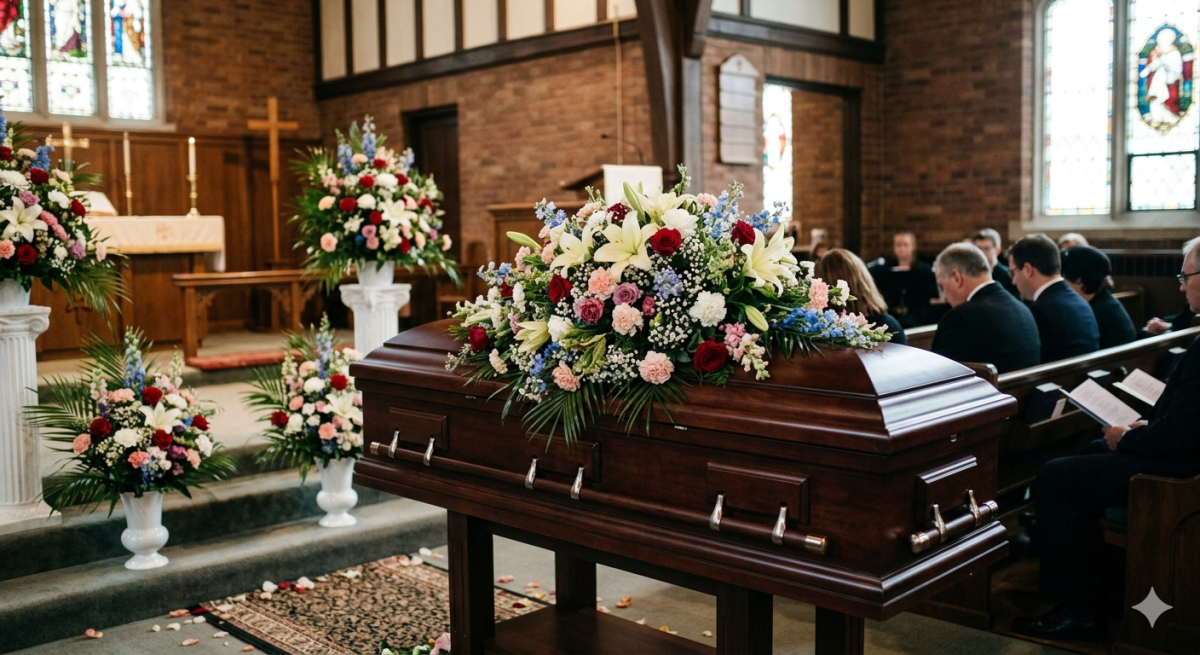
Cremation offers flexibility in handling remains, allowing families to keep ashes, transport them easily, or decide on memorial arrangements without the urgency and logistical demands of immediate burial.
Religious and cultural attitudes
Religious and cultural attitudes are also gradually evolving, contributing to the shift. While some faiths have strict teachings regarding burial, others are increasingly allowing cremation or offering flexible interpretations.
In addition, younger generations are becoming more open to personal choice in end-of-life arrangements, rather than strictly following traditional expectations, which has widened acceptance.
Emotional and environmental considerations
Finally, emotional and environmental considerations are influencing the decision as well. Some families prefer cremation because it allows them to keep their loved one’s ashes in a personal space or scatter them in meaningful locations, creating a different form of remembrance.
Others are drawn to cremation due to environmental concerns, as traditional burials can involve land use and materials that some view as less sustainable in the long term.
Author
Steve Ireri
Steve is a senior writer with over four years of experience in digital journalism. His focus is on the showbiz and human interest stories. Emails: [email protected] , [email protected]
View all posts by Steve Ireri