A step-by-step guide to helping a drowning person
By Cynthia Lodite, July 25, 2026Drowning happens quietly, often without the dramatic splashing seen in movies. Before taking action, look closely to ensure the person is actually in distress and confirm your own safety. A drowning individual may struggle to keep their head above water, fail to call for help, or tilt their head back with eyes wide or closed.
According to the WHO, nearly 300 000 people die from drowning each year worldwide, and drowning remains among the ten leading causes of death among children aged 5–14 years.
“Many of these deaths occur in rivers, lakes, wells, domestic water storage containers, and swimming pools. More than 90 per cent of drowning deaths occur in low- and middle-income countries,” WHO said.
Panic is dangerous in water emergencies. Take a quick breath, gauge the situation, and act fast. Always shout for help immediately so bystanders can assist or call emergency medical services. Keeping a clear head ensures you make quick, safe decisions that protect both you and the victim.
1. Stay calm and assess the situation
The first step is to remain as calm as possible. Panicking can make it harder to think clearly and respond effectively. Quickly assess where the person is, whether they are conscious, and what hazards may be present, such as strong currents, deep water, or debris.
2. Call for help immediately
Alert people nearby and call your local emergency services as soon as possible. If a lifeguard is on duty, notify them immediately. The sooner trained responders are on their way, the better the person’s chances of survival.
3. Reach or throw before you go
If the person is close enough, extend a long object such as a pole, stick, rope, towel, or tree branch for them to grab.
If they are further away, throw them a floating object such as a life jacket, lifebuoy, cooler, or any item that can help them stay afloat while waiting for help.
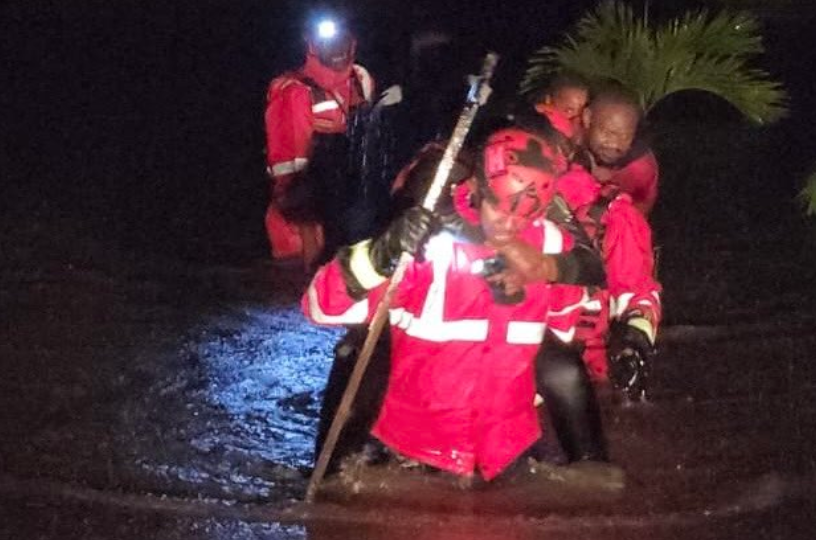
Entering the water should be the last option and should only be attempted by someone with appropriate water rescue training.
4. Avoid jumping into the water unless you are trained
A drowning person may panic and unintentionally pull a rescuer underwater. Many would-be rescuers lose their lives this way.
If you are not trained in water rescue, stay on land and continue helping by encouraging the person to hold onto a floating object until professional rescuers arrive.
5. Bring the person to safety
If the person can reach the shore or pool edge with assistance, help them out carefully. Be gentle, as they may be exhausted, injured, or disoriented.