Advertisement
5 realistic ways to quit doomscrolling without quitting your phone
22nd May, 2026 11:48 PM
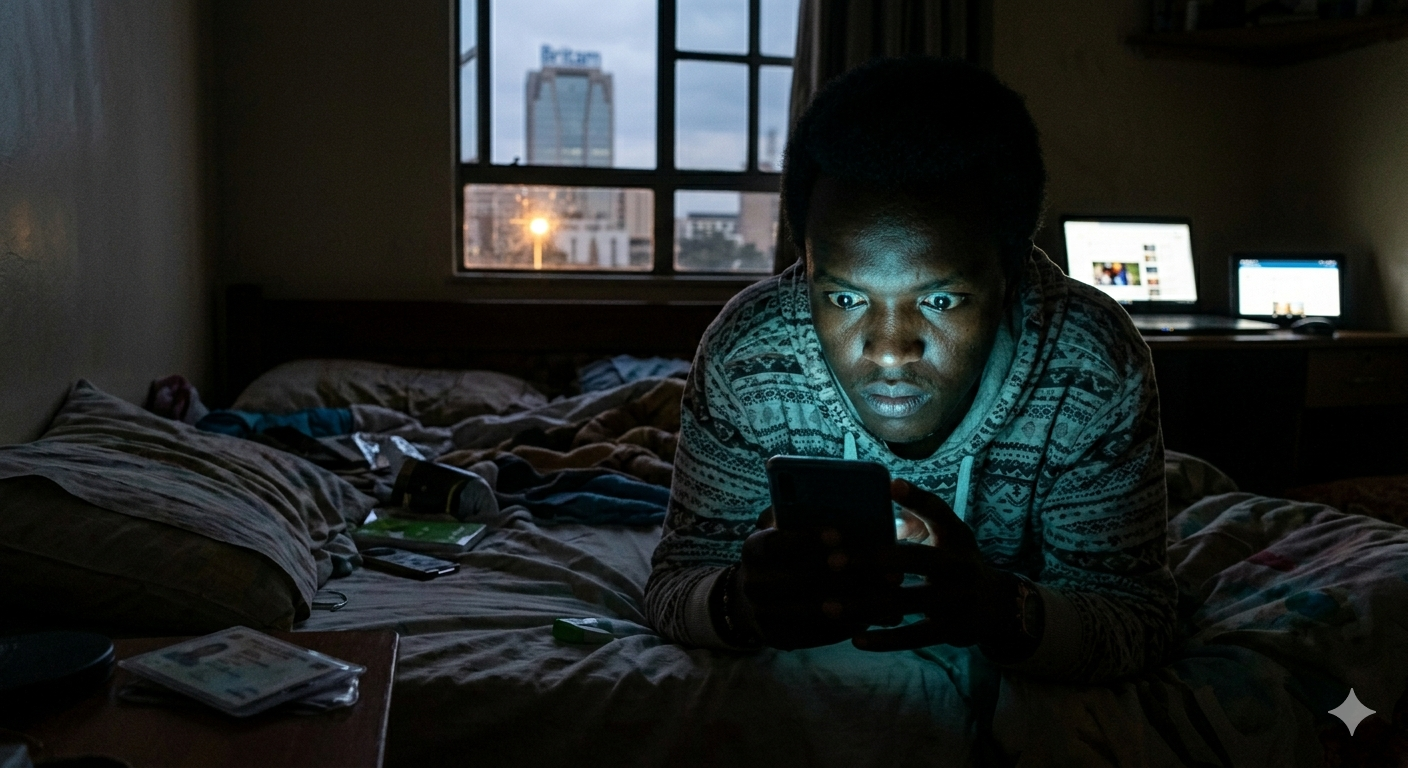
The average person touches their phone so many times a day that it has almost become an extra body part. Some people reach for it before opening the curtains in the morning.
Others check it while eating, walking, watching television, or pretending to listen during meetings. Somewhere along the way, scrolling stopped being something people consciously chose and became something they automatically do, like blinking or complaining about traffic.
Your phone was supposed to make life easier. Instead, it has somehow turned into a tiny glowing rectangle that steals two hours of your evening while convincing you that the world is collapsing, everybody else is richer than you, and someone somewhere is arguing about pineapple on pizza with the intensity of a courtroom trial.
Stop letting your phone wake you up and put you to sleep
One of the easiest ways to reduce doomscrolling is by reclaiming your mornings and nights.
For many people, the first thing they see every morning is not sunlight, breakfast, or another human being. It is notifications. Emails. News alerts. Random videos. Group chats that somehow collected 89 unread messages overnight.
That instantly pushes the brain into stress and stimulation before the day has even properly started.
The same thing happens at night. You tell yourself you are checking “just one thing,” then suddenly it is midnight and you are emotionally invested in a stranger’s breakup story on TikTok.
Research continues to link nighttime scrolling with poor sleep quality, anxiety, and mental exhaustion. The brain needs time to slow down before sleep, not absorb fifty pieces of information per minute.
Keeping your phone away from the bed helps more than people expect. Even placing it across the room creates a small but powerful barrier between you and endless scrolling. It also stops those dangerous moments where you pick up your phone at 11 pm. and accidentally time-travel to 2 am.
Make your social media slightly annoying to access
Doomscrolling survives on convenience. The easier an app is to open, the more automatic the habit becomes.
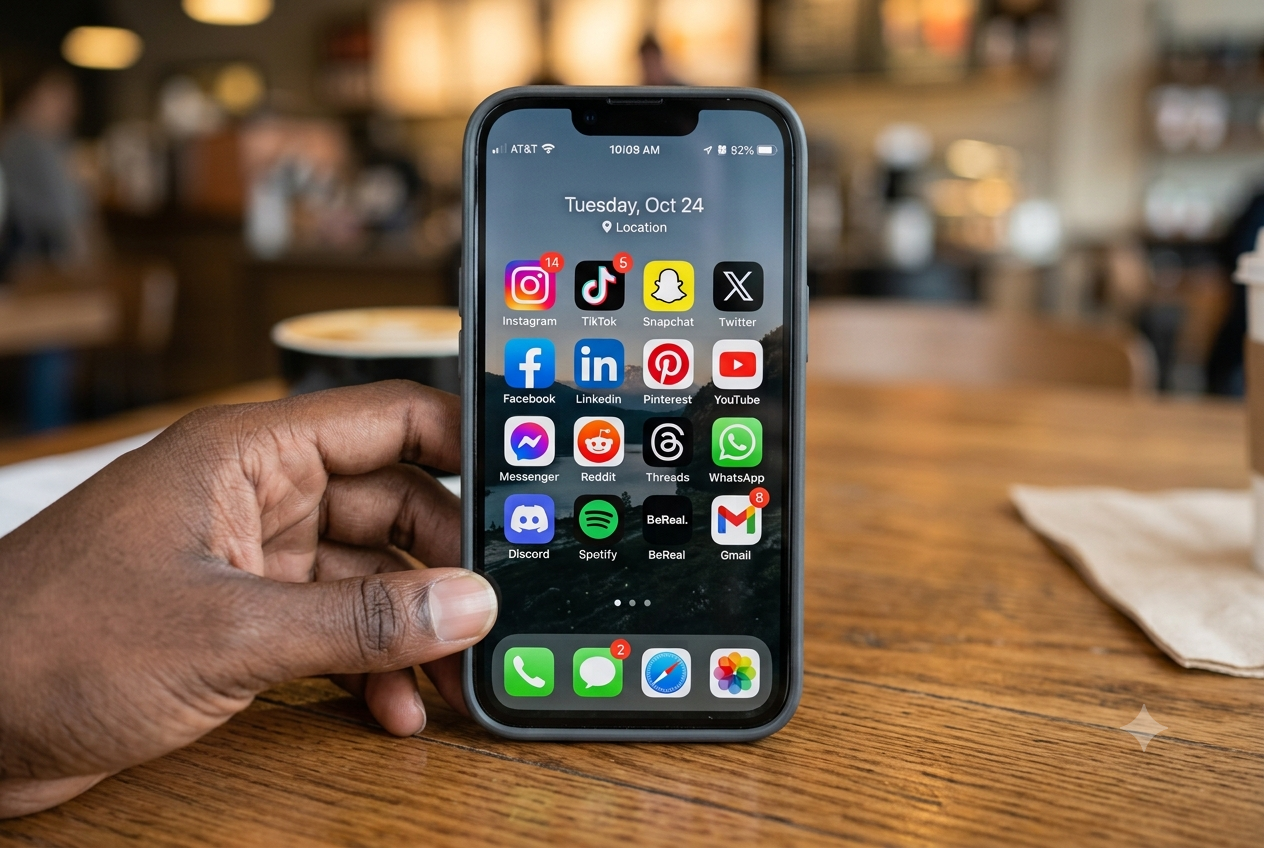
Your thumb probably already knows where Instagram, TikTok, or X sits on your screen without your brain even participating in the decision. That is muscle memory doing overtime.
One surprisingly effective trick is adding friction.
Move addictive apps off your home screen. Turn off unnecessary notifications. Log out after each use. Remove autoplay settings. Some people even switch their phone to grayscale because colourful icons are designed to grab attention like toddlers screaming in supermarkets.
The point is not punishment. The point is interruption.
Tiny inconveniences force the brain to pause before opening an app automatically. And sometimes that pause is enough to make you realize you were not even bored. You were just operating on autopilot.
Replace scrolling with something that still feels easy
One reason people struggle to stop doomscrolling is that scrolling fills emotional space. People scroll when they are stressed, bored, lonely, procrastinating, tired, or avoiding responsibilities that stare at them down like unpaid bills.
If you remove the habit without replacing it, your brain immediately starts searching for another quick dopamine fix.
The trick is not forcing yourself into activities that feel exhausting. Nobody wants to finish a stressful day and immediately begin reading ancient philosophy beside candlelight.
Choose easy replacements.
Watch long documentaries instead of short, chaotic clips. Listen to podcasts while cooking or walking. Read light fiction on your phone. Learn a random skill. Try puzzle games. Journal your thoughts. Even watching calming cooking videos is healthier than marinating in online outrage for two hours.
The brain still gets stimulation, but without the emotional exhaustion that comes from consuming nonstop negativity.
Clean up your feed like you are leaving a messy house
Most people underestimate how much their online environment affects their mood.
If your feed is full of negativity, arguments, panic, fake perfection, toxic opinions, and constant comparison, your brain absorbs all of it, whether you realise it or not.
Social media algorithms reward emotional reactions, especially outrage and fear. The more something upsets you, the more likely the platform is to show you similar content because strong emotions keep people scrolling.
That means curating your feed is not shallow. It is necessary.
Unfollow accounts that drain you. Mute pages that make you anxious. Stop following people whose content leaves you feeling insecure about your life, body, money, or progress.
Instead, follow creators who genuinely educate, entertain, motivate, or calm you. Follow hobbies you enjoy. Follow humour that makes you laugh instead of angry. Follow pages that remind you the internet can still be fun and not just a 24-hour digital panic room.
Your attention is valuable. Treat it like something worth protecting.
Learn to notice how you feel after scrolling
This may be the most important tip of all.
Pay attention to the feeling that comes after doomscrolling.
Not during it. After it.
Most people finish long scrolling sessions feeling mentally foggy, emotionally tired, distracted, anxious, or strangely empty. Yet they rarely stop to notice the connection between the habit and the feeling.
Meanwhile, activities like exercising, talking to friends, reading, creating something, or spending time outdoors usually leave people feeling calmer and more grounded afterwards.
Once you become aware of that difference, your habits slowly begin to change naturally.
The goal is not to become perfect. Everybody doomscrolls sometimes. The internet is specifically designed to trap human attention, and many apps are built like digital casinos disguised as entertainment.
What matters is becoming more intentional.
Your phone should be a tool that supports your life, not a machine that quietly steals your time while feeding your brain endless noise. And honestly, the ability to put your phone down and enjoy silence for a few minutes without reaching for another notification might be one of the rarest modern superpowers left.