Advertisement
How to survive late-night World Cup matches while holding down a job
15th June, 2026 10:48 AM
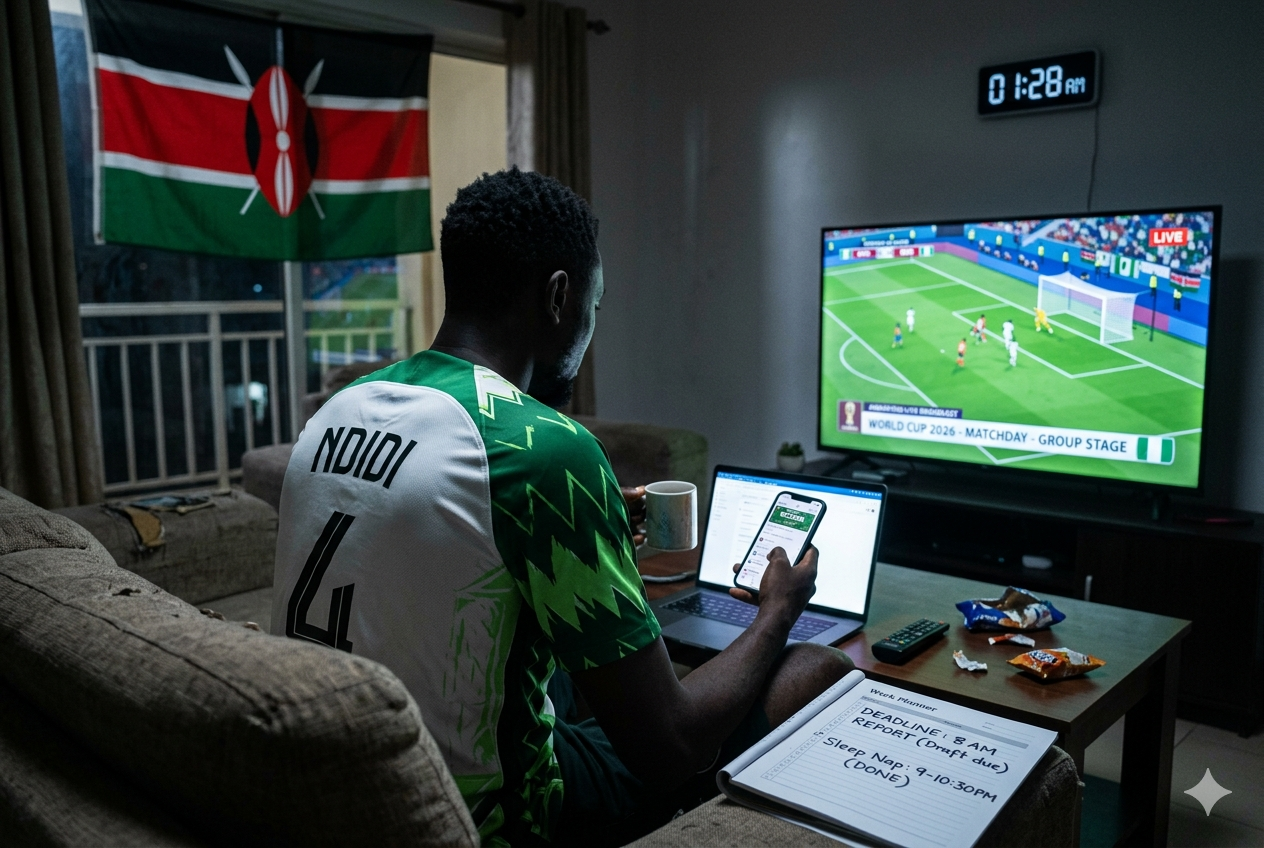
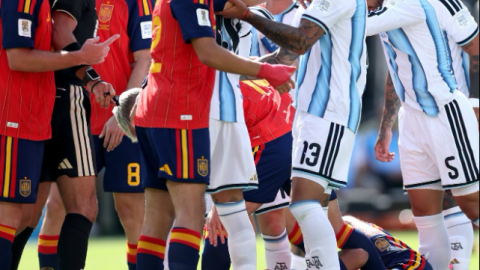
The World Cup 2026 has kicked down sleep routines, rearranged emotions, and suddenly, many are debating whether a 1 am kickoff is a reasonable life decision for someone who has an 8 am report deadline.
Employed life during tournament season becomes a strange mix of enthusiasm and regret, where you promise yourself “just one match” and somehow end up watching highlights of a match you already watched.
Balancing work life and late-night football is not about choosing one over the other. It is about creating a rhythm that allows you to enjoy the tournament without turning your professional life into a constant battle with exhaustion. With a bit of planning and discipline, it is possible to survive the World Cup season with your job intact and your passion for football fully satisfied.
Plan your sleep like you plan your budget
Sleep is usually the first victim of late-night football, yet it is the most important resource for surviving workdays. The mistake most people make is watching matches without adjusting their sleep schedule, then expecting energy miracles the next morning. A better approach is to plan sleep, like a financial budget.
If you know there is a big match at midnight or early morning, try to take a short nap in the evening before kickoff. Even a ninety-minute nap can make a difference in alertness the next day. On lighter match days, go to bed earlier and recover properly. Think of sleep as a bank account where every late-night withdrawal must be balanced with a deposit. Otherwise, the body will eventually send an overdraft warning in the form of fatigue, headaches, and poor concentration at work.
Choose your matches wisely and avoid watching everything
The World Cup schedule is designed to tempt you into believing that every match is a must-watch event. The reality is that not all games will require your presence at 2 a.m. in the morning. Employed people must become selective viewers.
Focus on matches involving your favourite teams, major rivals, or games that are truly significant in the tournament stage. It is perfectly acceptable to skip a less important group match. Football will continue to exist even if you do not watch every single minute of it. Your boss, however, may not be as forgiving if you sleep through a morning briefing because you watched three consecutive matches involving teams you only discovered last week.
Being selective allows you to enjoy the tournament without turning it into a full-time night shift job.
Create a recovery routine for the next morning
Watching late-night football without a recovery plan is like running a marathon and then walking to work immediately after without rest. The body needs a system to bounce back. A simple morning routine can make a huge difference.
Start the day with water before anything else. Caffeine can help, but it should not be the first solution. A short walk, stretching, or even a few minutes of sunlight exposure helps to reset the body clock. If possible, avoid scheduling highly demanding tasks in the morning after a late match. Focus on lighter duties first, then gradually build up productivity as energy returns.
A small but consistent recovery routine ensures that your enthusiasm for football does not clash with your professional responsibilities.
Use technology to your advantage, not your downfall
Technology is both the hero and villain of late-night viewing. On the one hand, it allows you to stream matches anywhere. On the other hand, it keeps you scrolling through highlights until sunrise. The key is to use it wisely.
Set alarms for match start and end times so you do not drift into endless content consumption. Use highlight summaries the next day instead of rewatching full matches if you are short on sleep. Also, consider using blue light filters or night mode on screens to reduce eye strain during late viewing.
The goal is to let technology serve your football enjoyment without stealing your energy for work.
Communicate and manage expectations at work
One underrated strategy is communication. Many employed people suffer silently during tournament season while pretending everything is normal. A better approach is to manage expectations at work, especially if you know your sleep schedule will be affected occasionally.
This does not mean announcing every fixture to your manager, but it does mean being responsible with deadlines, arriving on time, and maintaining performance. When people see that you are still reliable, occasional tiredness is easier to understand. Planning tasks ahead of time during major match days can also prevent unnecessary pressure.
Workplace balance during the World Cup is not about avoiding football, but about ensuring football does not interfere with professional credibility.