How to store your fruits and vegetables so that they last longer
By Katemarthason Okudo, May 11, 2026Many people buy fresh fruits and vegetables with good intentions, only to throw some of them away a few days later after they spoil. In many homes, food waste happens quietly inside the fridge or kitchen basket, often because produce is stored the wrong way.
Some fruits become soft too quickly, leafy vegetables wilt after one day, while others lose their taste and freshness before they are even used.
A few small changes in how food is stored can help fruits and vegetables last longer, save money, and reduce waste at home.
Not everything belongs in the fridge
One of the most common mistakes people make is putting every fruit and vegetable inside the refrigerator. While cold temperatures help some produce stay fresh, others actually spoil faster when chilled.
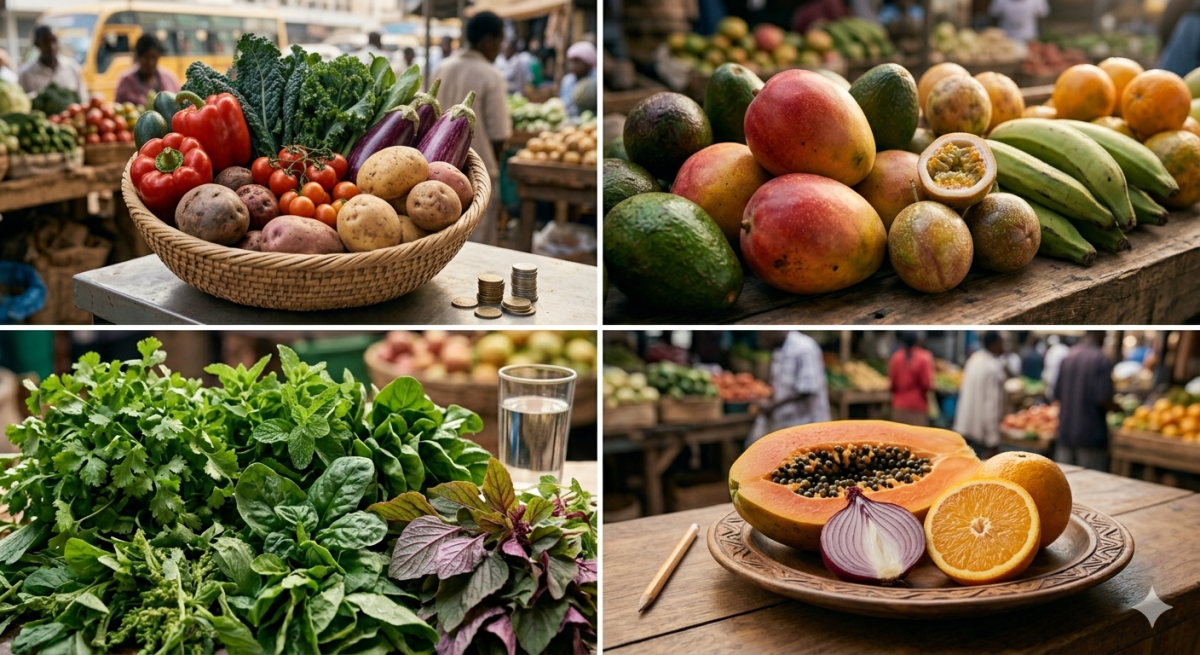
Bananas, tomatoes, onions, potatoes, garlic, and avocados are best stored at room temperature in a cool and dry place. Refrigerating tomatoes, for example, can change their texture and make them lose flavor. Potatoes also spoil faster when stored in very cold temperatures because the starch changes into sugar.
Leafy vegetables such as spinach, sukuma wiki, lettuce, and coriander, however, stay fresh longer in the fridge. Keeping them inside clean containers or wrapped in dry paper towels helps absorb moisture that causes rotting.
According to the World Health Organization, proper food storage plays an important role in preventing food waste and maintaining food safety at home.
Separate fruits that produce gas
Some fruits naturally release ethylene gas, which speeds up ripening. When stored together with sensitive vegetables or fruits, they can cause everything nearby to spoil faster.
Apples, bananas, mangoes, avocados, and pawpaws are among the fruits that release high amounts of this gas. Vegetables like carrots, cucumbers, and leafy greens should be kept away from them.
This is why bananas left next to avocados often make them soften within a short time. Keeping certain fruits separate can add several extra days before spoilage begins.
Experts from the Food and Agriculture Organization noted that proper separation and storage of fresh produce can significantly reduce household food losses.
Wash some foods later, not immediately
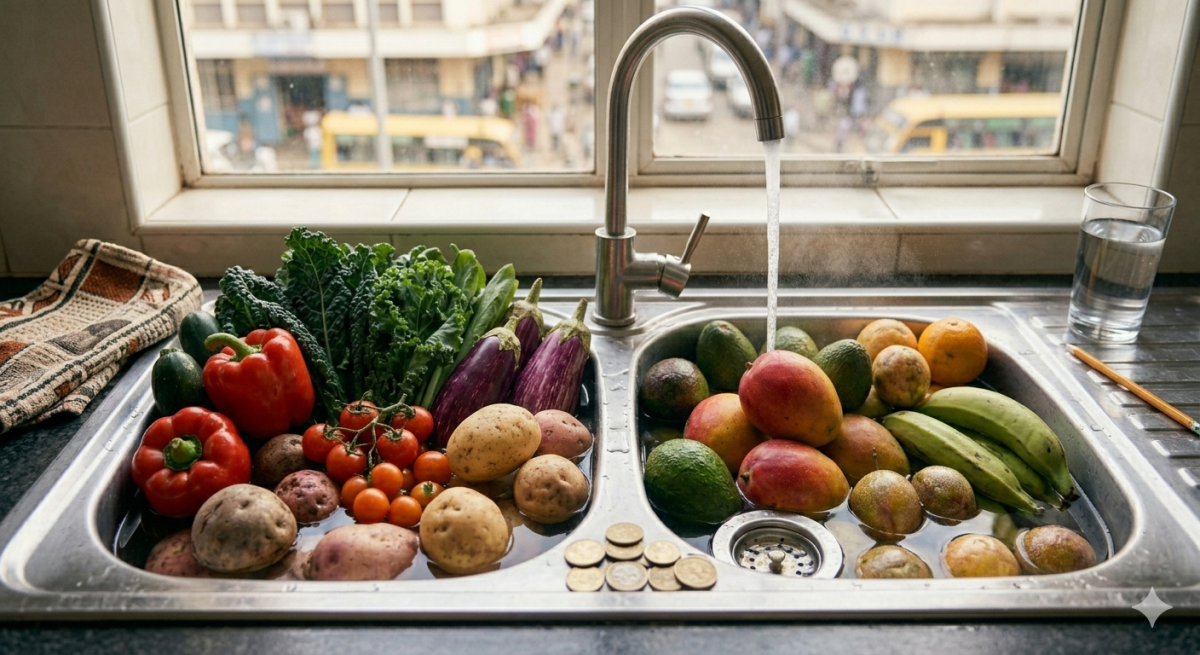
Although many people wash fruits and vegetables immediately after shopping, too much moisture can shorten their shelf life. Berries, grapes, and leafy vegetables often rot faster when stored wet.
Instead, it is better to wash delicate produce only before eating or cooking. If washing is necessary, drying them completely before storage helps prevent mold growth.
Proper storage saves money and time
Good food storage is not only about keeping produce fresh. It also helps people avoid unnecessary spending and repeated trips to the market.
Simple habits such as checking the fridge regularly, removing spoiled items quickly, and using older produce first can make a big difference. Buying only what is needed also reduces waste.
Health experts from the Ministry of Health encouraged proper handling and storage of fresh foods to maintain nutritional value and support healthy eating habits.