Advertisement
Feel your breasts: What a cancerous lump may feel like and when to get checked
20th August, 2026 11:46 AM
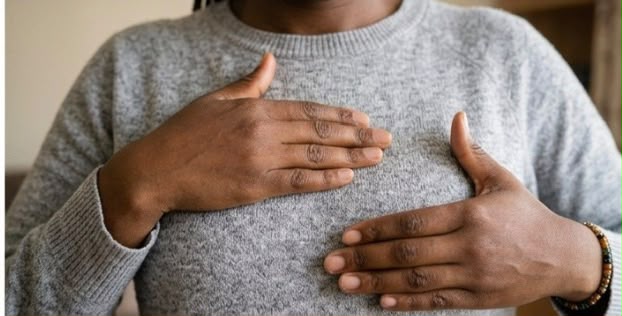
Breast cancer can be easier to treat when it is detected early, making awareness of how your breasts normally look and feel an important part of looking after your health.
While finding a lump does not automatically mean cancer, a new or unusual change should not be ignored. The World Health Organisation says a breast lump or thickening, often without pain, can be a symptom of breast cancer.
What does a concerning lump feel like?
There is no single way a cancerous lump feels. A suspicious lump may feel hard, firm or different from the surrounding breast tissue. Some may feel irregular and may not move easily when touched. However, breast cancer can also present differently, and some cancers may not produce a lump that can be felt at all.
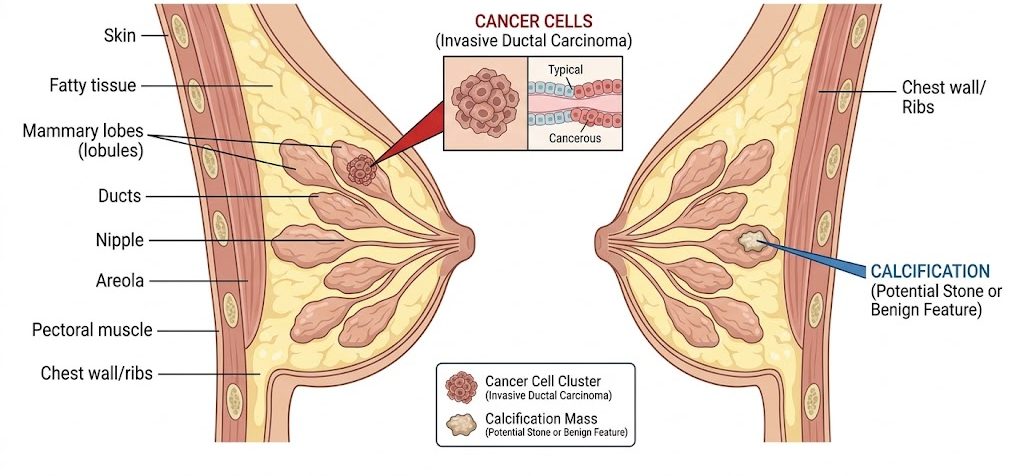
Most breast lumps are not cancerous. Cysts, hormonal changes and other non-cancerous conditions can also cause lumps or areas that feel firm. That is why feeling a “stone-like” area should not be taken as proof of cancer, but rather as a reason to seek professional evaluation.
Breast awareness means paying attention to how your breasts normally look and feel. During a shower, while dressing or when applying lotion, gently feel around the breast and underarm area for anything that feels different from what is usual for you.
Also look for changes such as dimpling or puckering of the skin, a change in breast size or shape, a newly inverted nipple, skin changes or unusual nipple discharge. (World Health Organisation)
When should you get checked?
Do not wait for pain before seeking medical attention. A new lump, thickened area or other unexplained breast change should be assessed by a healthcare professional, even if it does not hurt.(World Health Organisation)
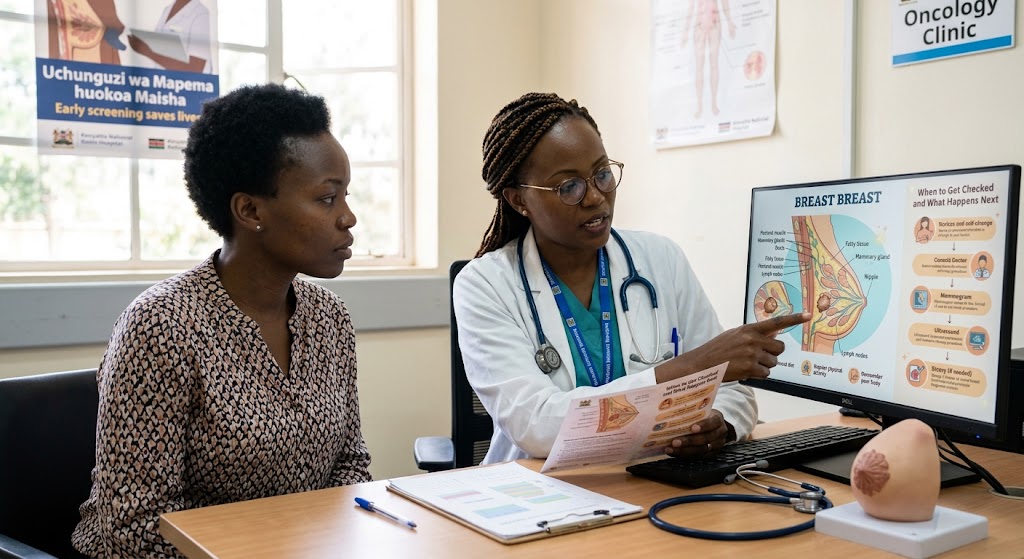
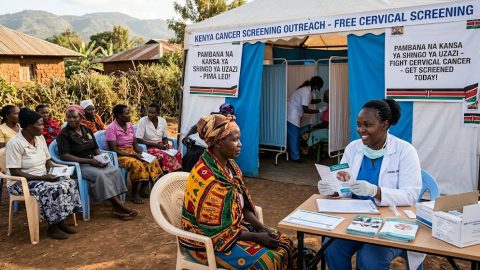
Kenya’s National Cancer Screening Guidelines encourage breast awareness and reporting changes, while noting that breast self-examination should not replace professional screening.