How to increase the longevity of a hot showerhead
By David Nthua, May 8, 2026Hot shower heads, especially instant electric ones, are built for convenience but can fail quickly when exposed to poor water quality, power issues, or misuse.
With the right habits, you can extend their lifespan and maintain steady water temperature without frequent breakdowns.
Ensure stable power supply
The moment you switch on your shower, electricity flows directly into heating elements inside the unit.
Any fluctuation in voltage puts stress on these components.
Use a proper circuit connection and, where possible, install a voltage protector.
Avoid sharing the shower line with heavy appliances. Unstable power can burn the heating coil or damage internal wiring over time.
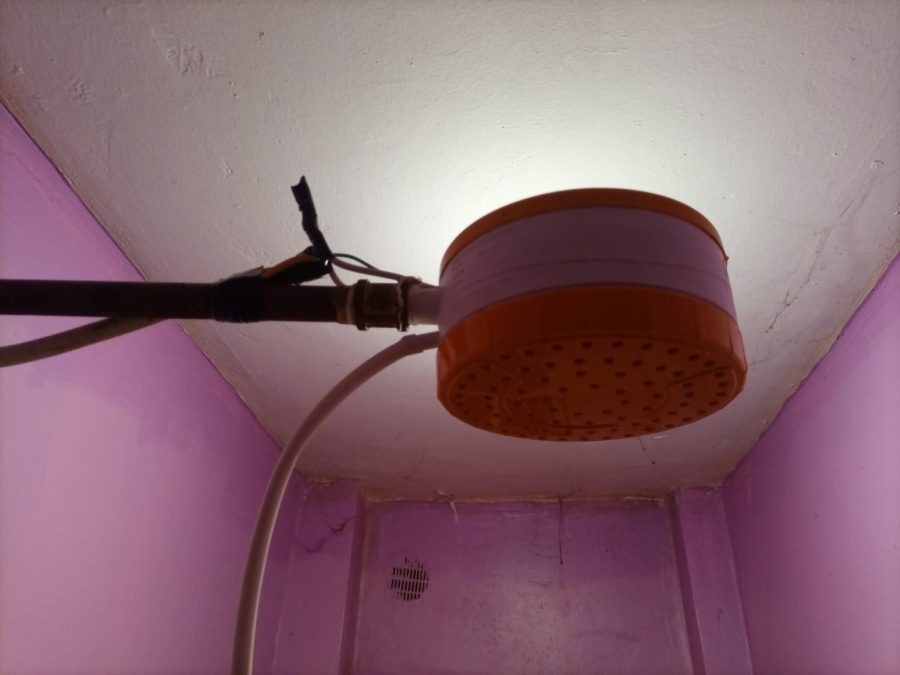
Maintain proper water pressure
Instant shower heads depend on a consistent flow of water to regulate temperature.
Low pressure can cause overheating, while excessive pressure can strain internal seals.
If your water flow is weak, check your supply tank or piping system.
Avoid running the shower when the water source is almost empty, as this may cause the heater to operate without enough cooling flow.
Clean the shower head regularly
Mineral deposits from hard water gradually build up inside the showerhead.
These block water outlets and force the heater to work harder than necessary.
Remove and clean the head regularly using mild descaling methods.
Keeping the nozzles clear ensures smooth water flow and prevents internal overheating.
Avoid dry running
Switching on the shower before water starts flowing is one of the quickest ways to damage it. Heating elements rely on water to absorb and carry away heat.
Always open the water tap first, allow a steady flow, then turn on the power. This simple habit protects the internal system from burning out.
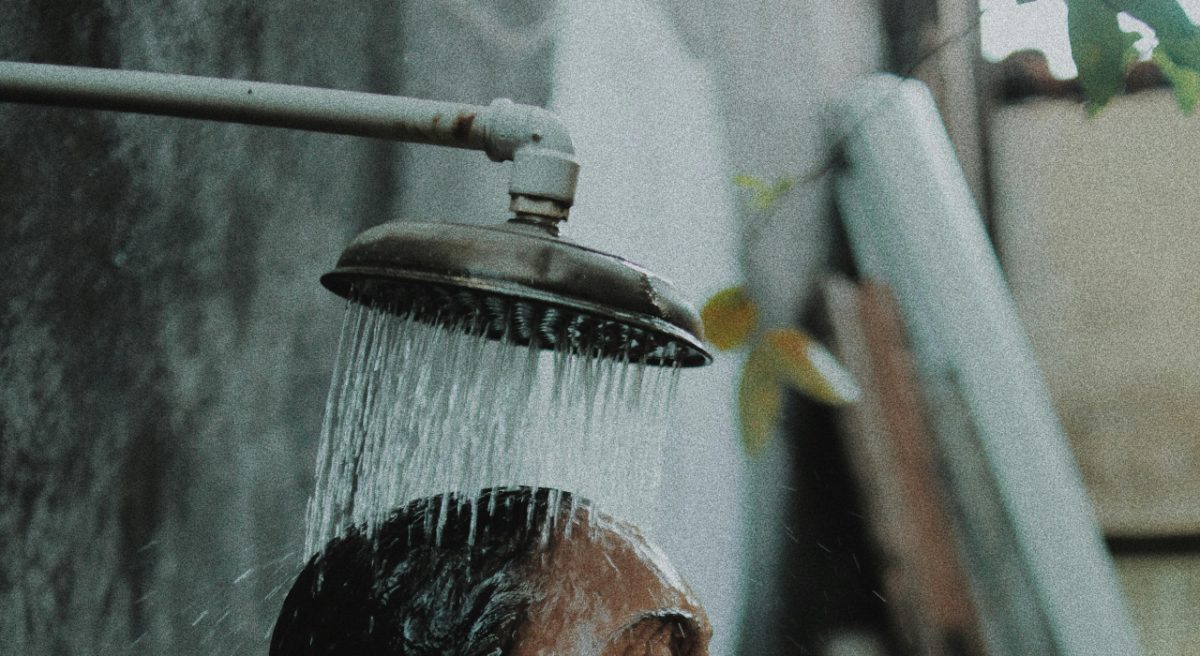
Use moderate temperature settings
Running the shower at maximum heat every day shortens its lifespan. High temperatures increase wear on heating elements and internal components.
Use only the level of heat you need. Moderate settings reduce strain and help the unit last longer without affecting comfort.
Check for leaks and loose connections
Small leaks may seem harmless but can lead to serious internal damage. Water entering electrical parts increases the risk of faults and corrosion.
Inspect connections regularly. Tighten loose fittings and replace worn-out seals immediately. Keeping the unit dry inside is essential for long term use.
Turn off after use
Leaving the shower powered on unnecessarily exposes it to continuous electrical stress. Even when not actively heating, internal parts remain under load.
Always switch off both the water and power supply after use. This reduces wear and improves safety.
Install and service professionally
Poor installation is a common cause of early failure. Incorrect wiring or weak mounting can lead to recurring problems.
Ensure installation is done by a qualified technician. Periodic servicing also helps identify issues before they become costly repairs.
Dos and don’ts in summary:
Do keep water flowing before switching on power
Do clean the showerhead regularly
Do use a stable electricity supply
Do inspect for leaks and faults
Do not run the heater without water
Do not use maximum heat unnecessarily
Do not ignore low water pressure
Do not attempt unsafe repairs
A hot showerhead lasts longer when used correctly and maintained consistently.
Small habits, especially around water flow and power control, make the biggest difference in preventing early damage.