How to avoid overeating and stay healthy this Easter
Easter is a time for celebration, family gatherings, and plenty of food.
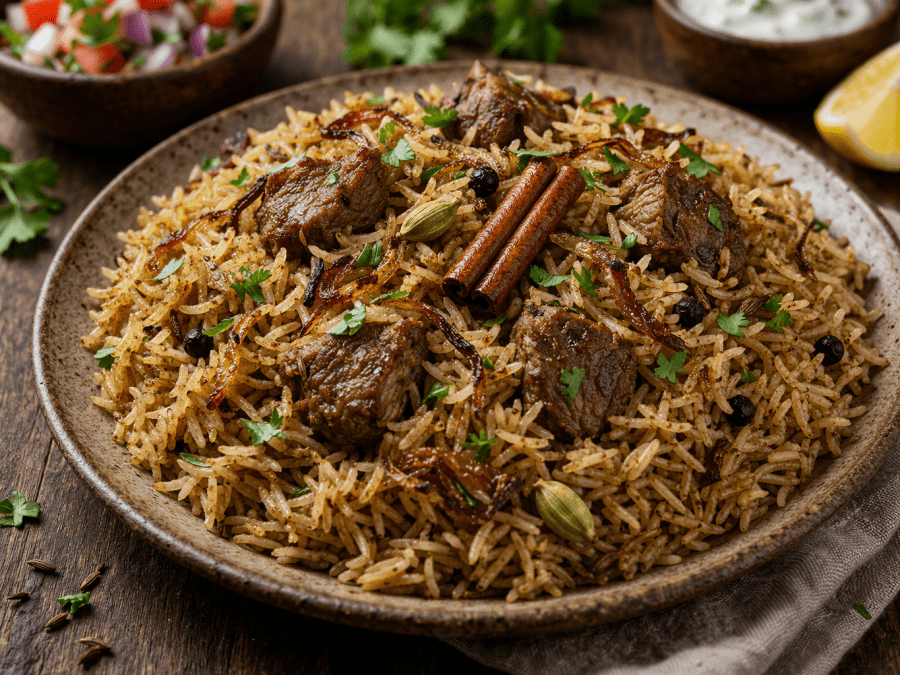
From pilau and chapati to nyama choma and snacks, it is easy to find yourself eating more than usual.
You might also like
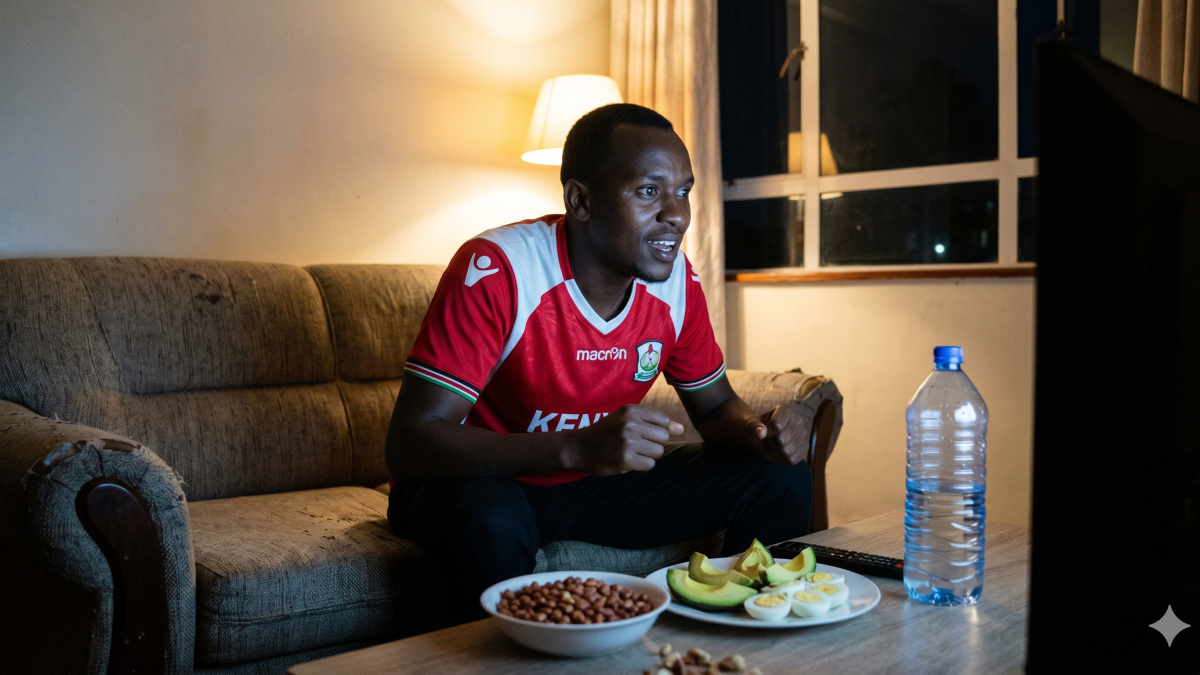


While enjoying food is part of the holiday, overeating can leave you feeling uncomfortable, tired, and even affect your health.
If you want to enjoy Easter meals without overdoing it, here is a simple, practical guide to help you stay in control and still have a good time.
Understand why overeating happens during holidays
Overeating during Easter is not just about hunger.
It is often driven by availability of food, social pressure, and long sitting periods.
When food is always around, you tend to eat more even when your body does not need it.
Recognising this helps you become more intentional with your choices.
Start with smaller portions
One of the easiest ways to avoid overeating is controlling your portions.
Instead of filling your plate fully, start with a small serving. You can always go back for more if you are still hungry.
This gives your body time to signal when it is satisfied.
Research shows that smaller portions help reduce calorie intake without making you feel deprived.
Eat slowly and mindfully
How you eat matters just as much as what you eat.
Eating too fast prevents your brain from registering fullness. It usually takes about 15 to 20 minutes for your body to signal that you are full.
Take your time, chew properly, and enjoy the food. You will naturally eat less without forcing it.
Do not skip meals before a feast
Some people avoid eating during the day so they can “eat more” later.
This often backfires. When you are extremely hungry, you are more likely to overeat quickly and make poor food choices.
Have light meals during the day so that when you sit down for Easter food, you are in control.
Stay hydrated throughout the day
Sometimes the body confuses thirst with hunger.
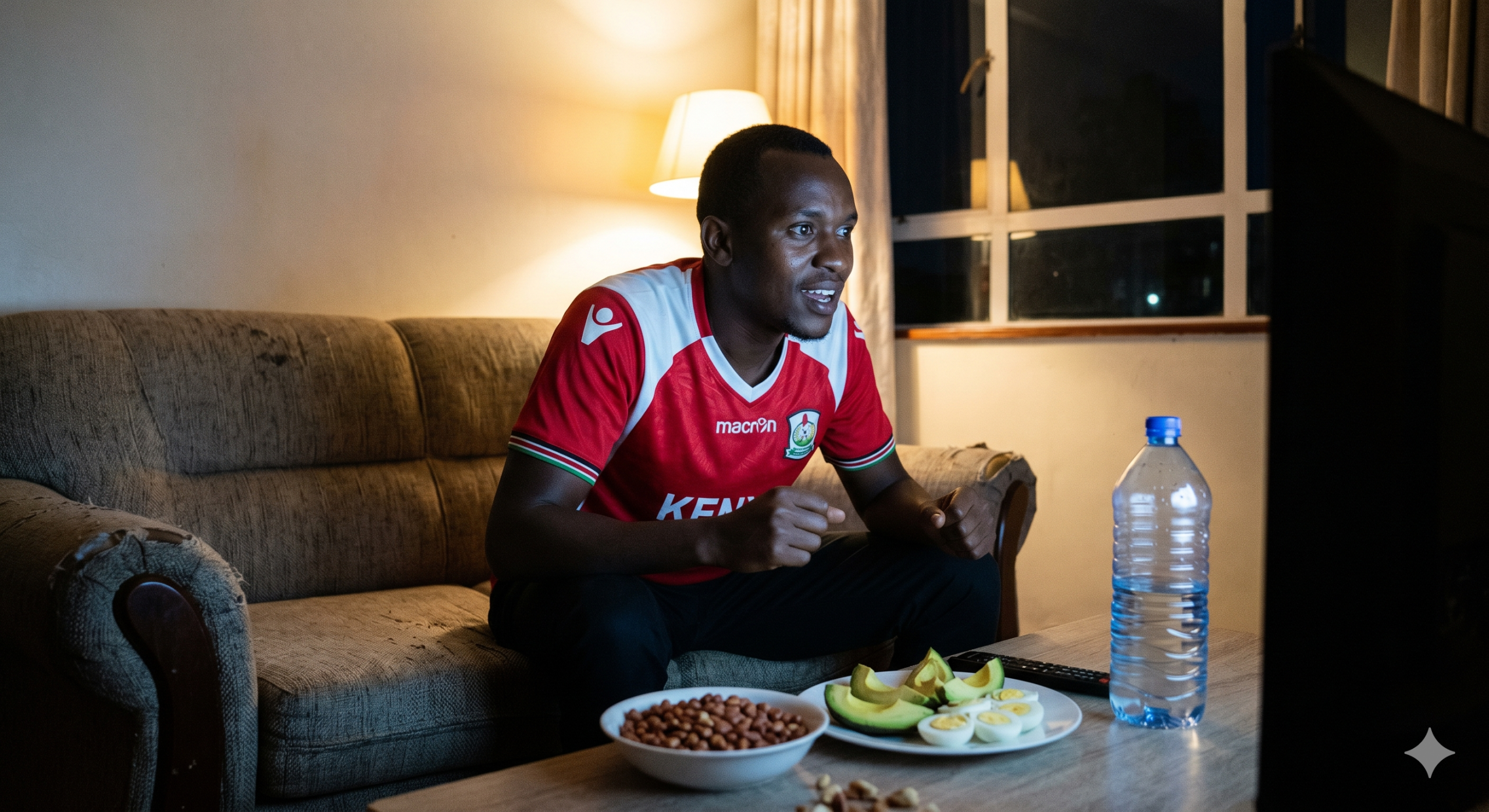
Drinking water before and during meals helps you feel fuller and reduces the urge to overeat.
It also supports digestion, especially when eating heavy foods like meat and fried dishes.
A simple habit like taking water before meals can make a big difference.
Balance your plate
You do not have to avoid your favourite foods.
Instead, balance them. Combine proteins, carbohydrates, and vegetables.
For example, if you are having pilau or chapati, add vegetables or a salad.
Fibre from vegetables helps digestion and keeps you fuller for longer.
Be mindful of snacking and drinks
Snacking throughout the day adds up quickly.
Cocktails, sodas, and sugary drinks can also increase calorie intake without making you feel full.
Try to limit unnecessary snacking and choose natural drinks like water or fresh juice.
Small, repeated bites can sometimes contribute more to overeating than main meals.
Take breaks and stay active
After eating, avoid sitting for long hours.
Simple movement like walking, helping around the house, or light activity helps digestion and prevents sluggishness.
Physical activity also balances calorie intake.
You do not need a full workout, just avoid staying inactive all day.
Listen to your body, not the occasion
It is easy to eat just because it is a celebration.
Instead, pay attention to your body. Eat when you are hungry and stop when you are full.
You do not have to finish everything on your plate or eat just because others are eating.
Your body gives clear signals if you listen to it.
Enjoying Easter food does not mean overeating.
By controlling portions, eating slowly, staying hydrated, and being mindful of your habits, you can celebrate without compromising your health.
The goal is balance. You can still enjoy your favourite meals while staying comfortable, energised, and in control throughout the holiday.