How subtitles change the way we experience movies
By Katemarthason Okudo, May 19, 2026Watching movies with subtitles has become normal for many viewers, especially in a world where films come in different languages and streaming platforms dominate entertainment. While subtitles help people follow dialogue more easily, they also change how the brain processes what is happening on screen.
Over time, this can affect attention, language learning, and emotional connection to a film in ways many viewers do not notice.
Divided attention between reading and watching
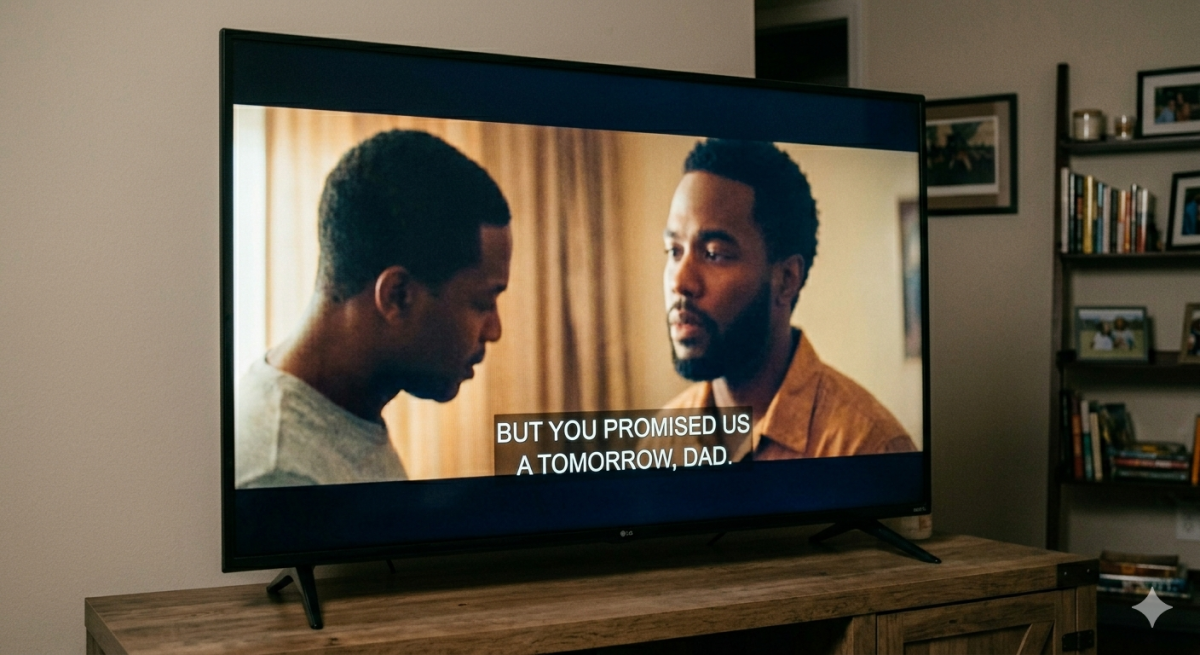
One of the main ways subtitles change the viewing experience is by splitting attention. Instead of fully focusing on visuals, facial expressions, and camera work, the viewer’s eyes constantly shift to reading text at the bottom of the screen.
According to a BBC Future report on screen reading behaviour, the brain tends to prioritise written text when it appears alongside visual and audio input. This means viewers often read first and watch second, which can reduce attention to subtle visual storytelling details such as body language or background actions.
As a result, some scenes may feel less immersive because the viewer is mentally “processing” rather than simply observing the film as it unfolds.
Reduced listening engagement and language processing
Subtitles can also affect how people engage with spoken dialogue. Instead of listening carefully to pronunciation, tone, and emotion, viewers may rely more on reading the written words.
Researches have found that heavy subtitle use can shift the brain’s learning focus from auditory processing to reading dependency. This means that even when watching films in a familiar language, viewers may not fully train their listening skills.
This is especially noticeable in fast-paced dialogue scenes, where reading keeps up with the story but listening becomes secondary. Over time, it may slightly slow down the ability to pick up accents, tone changes, or emotional emphasis in speech.
Emotional distance and cognitive load
Another effect of subtitles is the impact on emotional connection. Films are designed to combine sound, visuals, and silence to create a mood. When reading is added into the mix, some emotional cues can be missed.
Subtitles also increase cognitive load, especially during fast dialogue or action scenes. The brain is forced to process text, images, and sound simultaneously, which can lead to mental fatigue. This makes it harder to absorb small emotional details or remember specific visual moments after the movie ends.
A balance between Access and Experience
Subtitles remain important for accessibility, understanding different accents, and enjoying foreign films. However, they also subtly reshape how movies are experienced by dividing attention, shifting focus from listening to reading, and sometimes reducing emotional immersion.
The challenge is not whether subtitles are good or bad, but how they are used. For many viewers, being aware of their effect can help strike a balance, sometimes reading along, and other times allowing the film to speak fully through sound and visuals.