How rainwater affects the skin
By Dan Kauna, May 13, 2026The long rains, which sweep across Kenya between March and May, arrive with the promise of cooler air and lush greenery.
But for your skin, this wet stretch of the year is one of the most challenging.
Breakouts, fungal rashes, and clogged pores all tend to spike as humidity rises, and understanding why they happen is the first step to keeping your skin clear through the season.
What the humidity is actually doing beneath the surface
When ambient humidity climbs, your skin’s oil glands (sebaceous glands) ramp up production.
The extra sebum mixes with sweat and dead skin cells, plugging your pores and setting the stage for whiteheads, blackheads, and inflamed breakouts.
A review published in the journal Bioengineering in December 2025 confirmed that “environmental conditions significantly influence sebaceous gland activity,” adding that this excess oil directly triggers the kind of follicular blockage that drives acne.

The humidity also creates ideal conditions for a skin yeast called Malassezia, which lives naturally on everyone’s skin.
In warm, moist weather, it can overgrow, leading to pityriasis versicolour – uneven lighter or darker patches on the chest and back, and Malassezia folliculitis, which presents as small, itchy, pimple-like bumps clustering around hair follicles.
Medical literature from the National Institutes of Health notes that Malassezia species “have been implicated in several common dermatologic disorders,” and during the rainy season, the risk rises considerably, particularly in areas that stay damp under clothing.
Your skin’s protective barrier also softens under prolonged humidity, making it more susceptible to redness, irritation, and sensitivity.
How to adjust your skincare for the wet season
The good news is that a few swaps to your routine go a long way.
Go lighter with your moisturiser. Heavy creams trap sweat and oil against the skin, making congestion worse. Switch to a water-based, non-comedogenic gel formula that hydrates without adding to the greasy layer humidity already creates.
Double-cleanse at night. A gentle oil cleanser followed by a foam or gel wash ensures that the day’s dust, pollution, and sebum build-up is fully cleared before bed.
Bring in salicylic acid. This beta-hydroxy acid works inside the pore, dissolving the excess oil that the rainy season’s humidity keeps producing. A two per cent salicylic acid toner or serum used two or three times a week is sufficient.
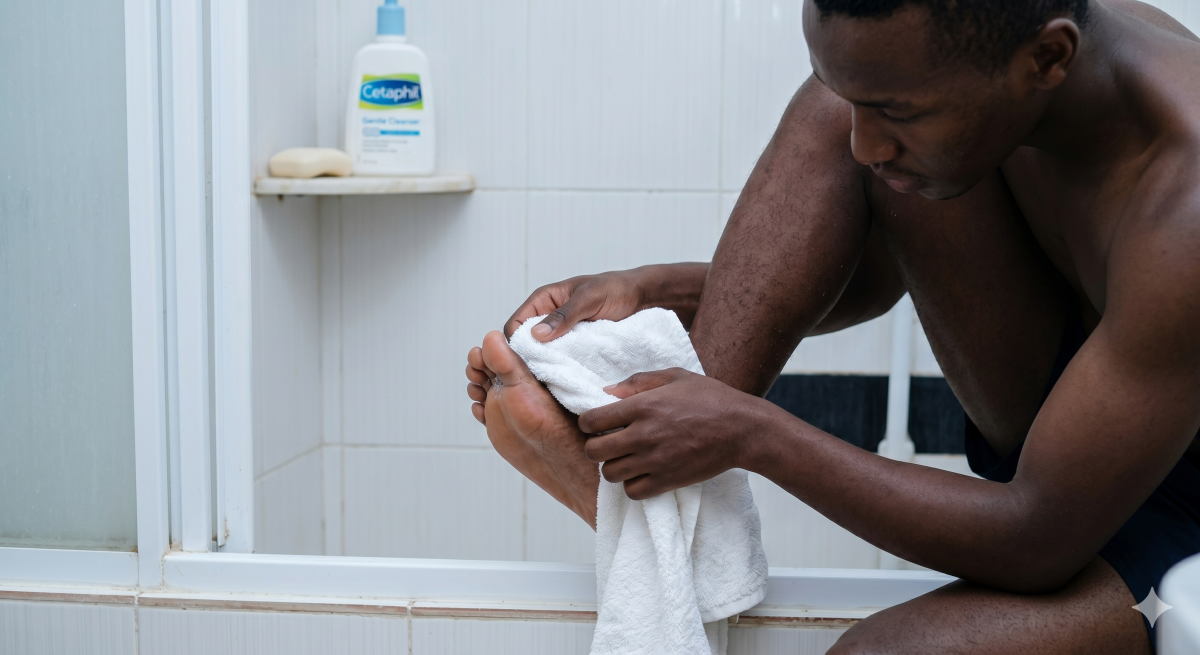
Keep skin folds completely dry. Fungal infections thrive in damp areas – underarms, behind the knees, the groin, between the toes. Patting these dry after bathing and choosing breathable cotton fabrics significantly reduces the risk of a flare-up.
Do not skip your SPF. Nairobi sits close to the equator, and UV rays cut through cloud cover. A broad-spectrum SPF 30 or higher with a lightweight, non-greasy finish protects without adding to the congestion problem.
If a rash or breakout is spreading or does not clear within two weeks of consistent skincare, see a dermatologist. Some fungal infections require prescription treatment to resolve properly.