Types of bed mattresses and what each means
By David Nthua, May 24, 2026A mattress is more than just a sleeping surface. The type of mattress a person uses can affect body posture, sleep quality, back comfort and even long term health.
Some mattresses are designed for softness and pressure relief while others focus on firm support and durability.
Understanding the different mattress types helps people choose one that suits their sleeping habits, body weight and comfort preferences rather than simply buying based on appearance.
Foam mattresses
Foam mattresses are among the most common in many homes because they are soft, lightweight and comfortable.
They are made using layers of foam material that compress when pressure is applied.
One of the biggest advantages of foam mattresses is their ability to shape themselves around the body.
When a person lies down, the mattress adjusts to body curves, helping reduce pressure around the shoulders, hips and back.
This makes foam mattresses popular among people who experience joint pain or body aches during sleep.
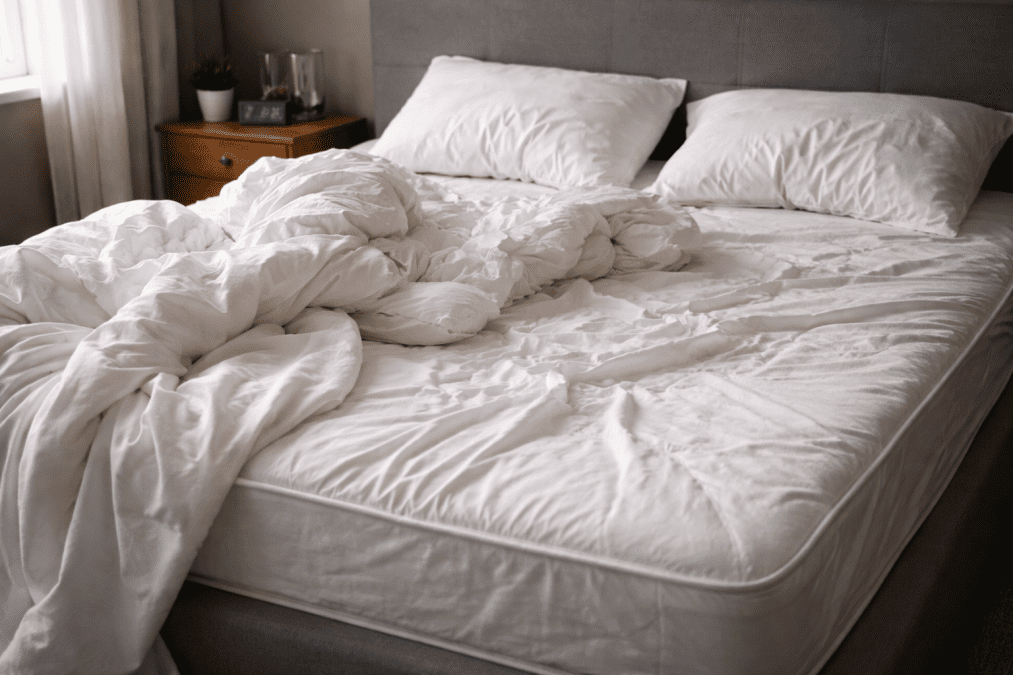
Some foam mattresses also absorb movement very well. If one person turns or moves during the night, the other side of the bed experiences less disturbance.
This is especially useful for couples.
However, softer foam mattresses may sometimes trap body heat, making some sleepers feel warmer during hot nights. Very soft options may also lose shape faster if not properly maintained.
Spring mattresses and their traditional support system
Spring mattresses use metal coils inside to provide support and bounce.
They are often associated with the classic mattress feel many people grew up using.
The springs help distribute body weight evenly while allowing air to move more freely through the mattress.
Because of this airflow, spring mattresses usually remain cooler than some foam types.
People who prefer a firmer sleeping surface often choose spring mattresses because they provide stronger pushback support when lying down or sitting on the edge of the bed.
The bounce effect also makes movement easier during sleep since the mattress quickly regains its shape after pressure is removed.
However, older or lower quality spring mattresses may begin producing squeaking sounds over time.
Some may also transfer movement more easily, meaning one person’s movement can affect another sleeper nearby.
Hybrid mattresses
Hybrid mattresses combine features of both foam and spring mattresses.
They usually contain a supportive spring base covered by foam or latex comfort layers on top.
This combination is designed to offer both body support and cushioning comfort at the same time.

The spring section improves airflow and durability while the upper foam layers help reduce pressure on the body. Many people choose hybrid mattresses because they balance softness with support.
Hybrid mattresses are often recommended for people who want comfort without sinking too deeply into the bed.
They can also suit different sleeping positions including side sleepers, back sleepers and combination sleepers.
Because they combine several materials, hybrid mattresses may feel more stable and balanced compared to single material designs.
Choosing the right mattress ultimately depends on personal comfort, sleeping habits, body needs and long term durability rather than simply following trends or advertisements.