Advertisement
The psychology of why we buy things we never use
18th June, 2026 01:52 PM
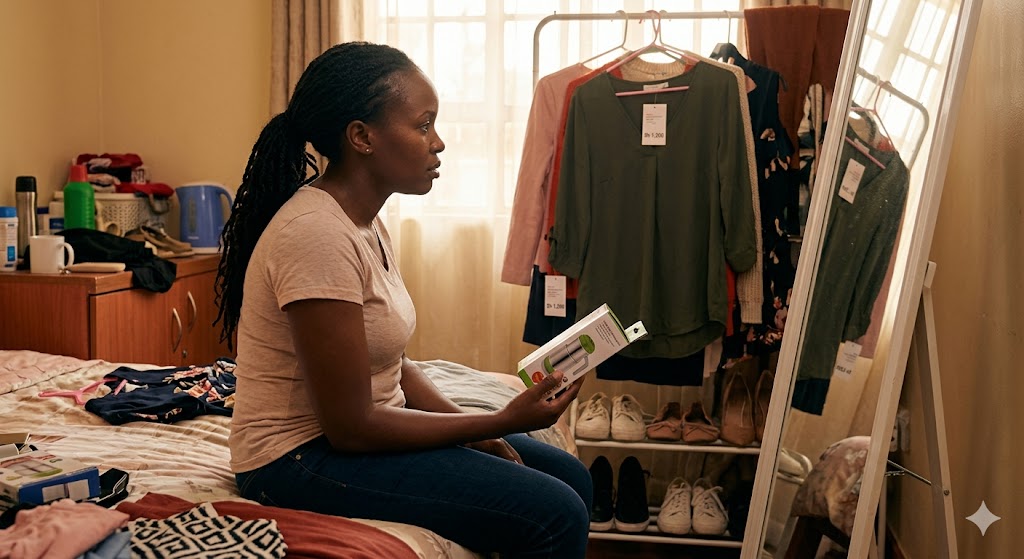
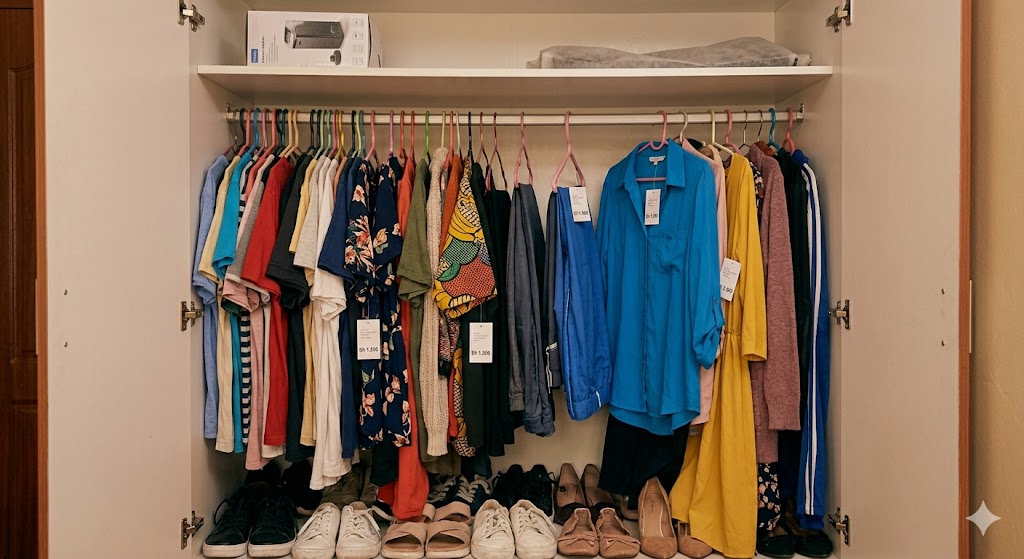
Many homes have wardrobes full of clothes that still have price tags on them, or kitchens with a fancy blender sitting completely idle. This is a common habit that goes beyond just poor planning.
It is driven by a psychological pattern known as aspirational buying, where people shop for the lifestyle they wish they had rather than the life they actually live.
The gap between fantasy and reality
When shoppers buy expensive gym gear, a complex cookbook, or high-end electronics, they are often not purchasing the item itself.
Instead, they are investing in a fantasy version of themselves: someone who is suddenly fitter, healthier, or more organised. This creates a big disconnect between who a person is right now and who they think they will become once they own the item.
This habit is fuelled by a desire for quick satisfaction.
A peer-reviewed study on shopping habits published by the National Institutes of Health notes that “this tendency to buy spontaneously and without reflection can be explained by the immediate gratification it provides to the buyer.”
The brain enjoys the instant excitement of making a purchase, completely ignoring the fact that the item might never be used. For the average Kenyan, these quick decisions add up to a lot of wasted money.
Unused streaming subscriptions, forgotten kitchen tools, or trendy shoes can easily drain Sh15,000 or more every single year.
How the 72-hour rule breaks the cycle
Stopping this habit requires a small mental pause. The most practical way to beat impulse spending is a simple technique called the 72-hour cooling-off rule.

The rule is straightforward: whenever an item catches a shopper’s eye online or in a supermarket, they must wait exactly three days before paying for it.
This delay changes how the brain processes the purchase. During those 72 hours, the initial excitement fades away and logical thinking takes over.
Most shoppers find that after three days, the urgent desire to buy disappears completely because they realise they do not actually need the item.
Using this rule protects hard-earned savings, helps people stay objective, and ensures that money is spent on things that fit into actual daily life.